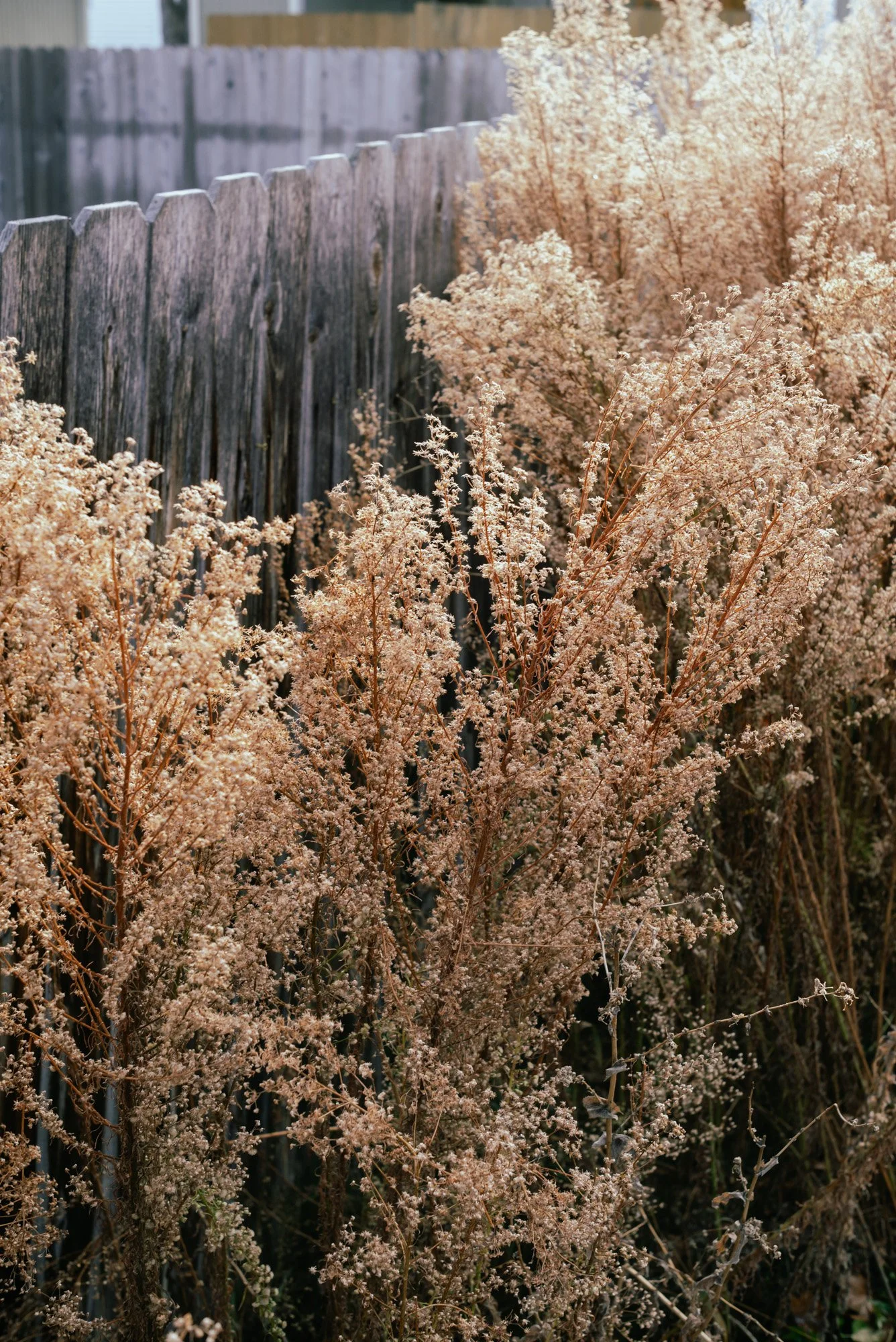
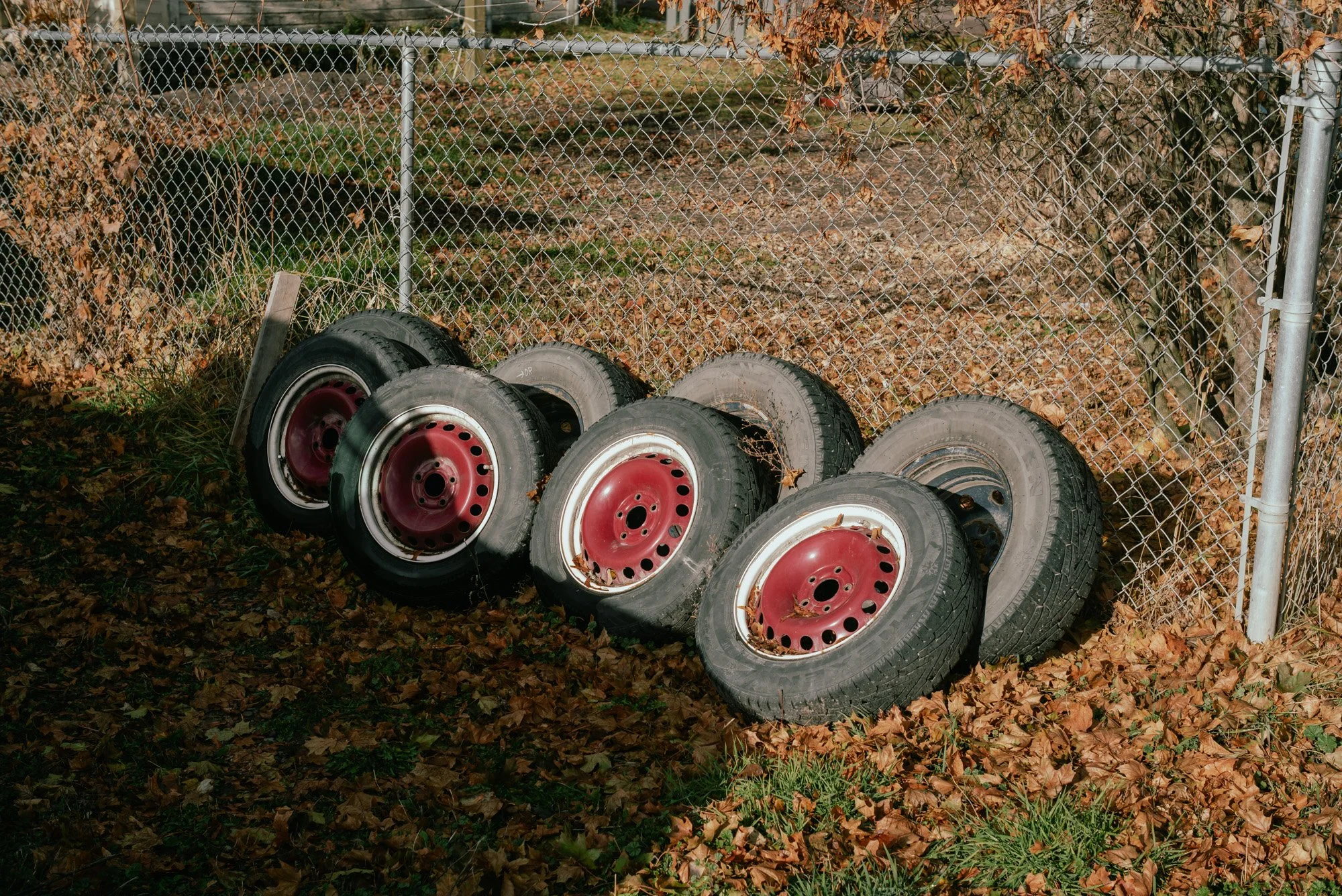
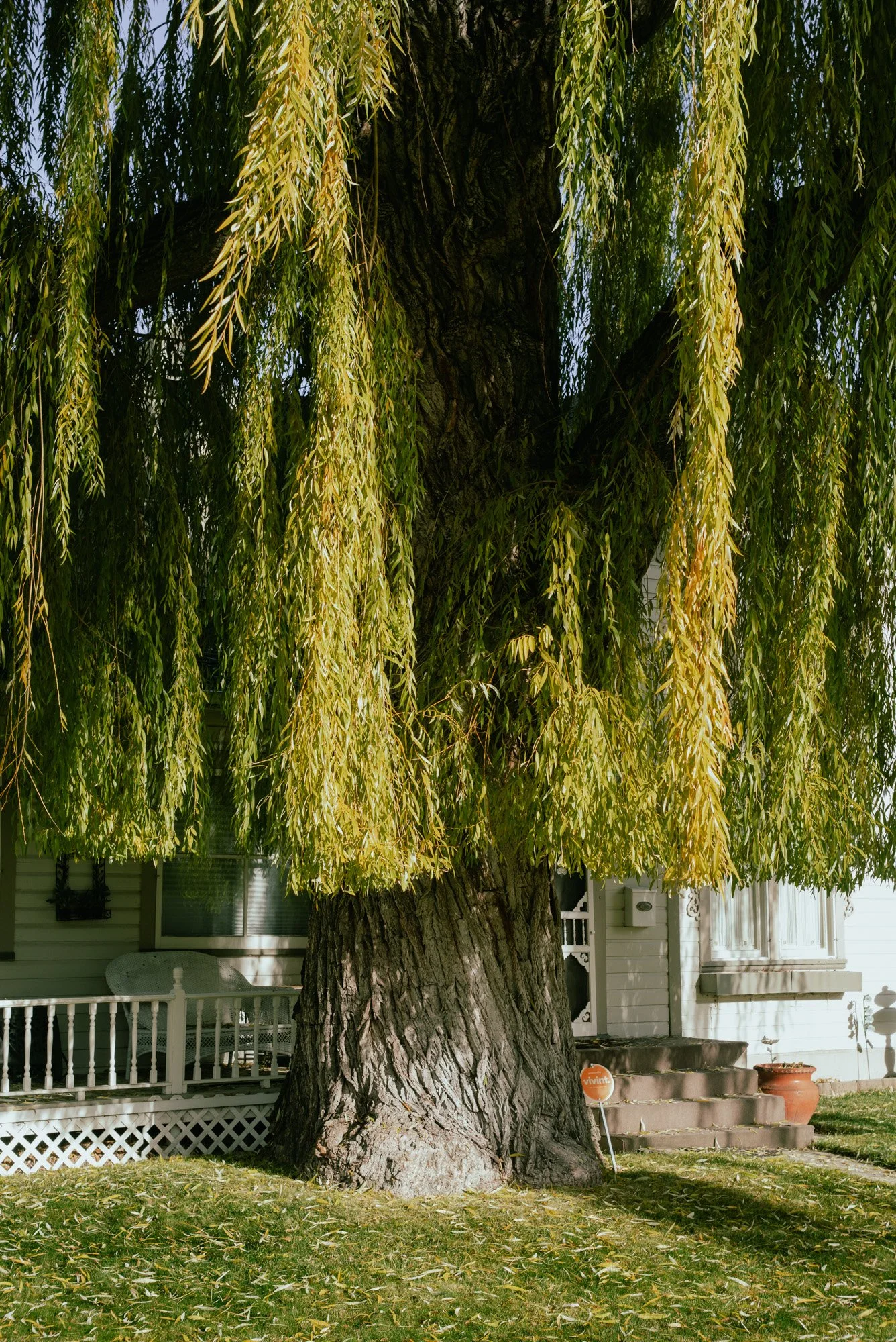
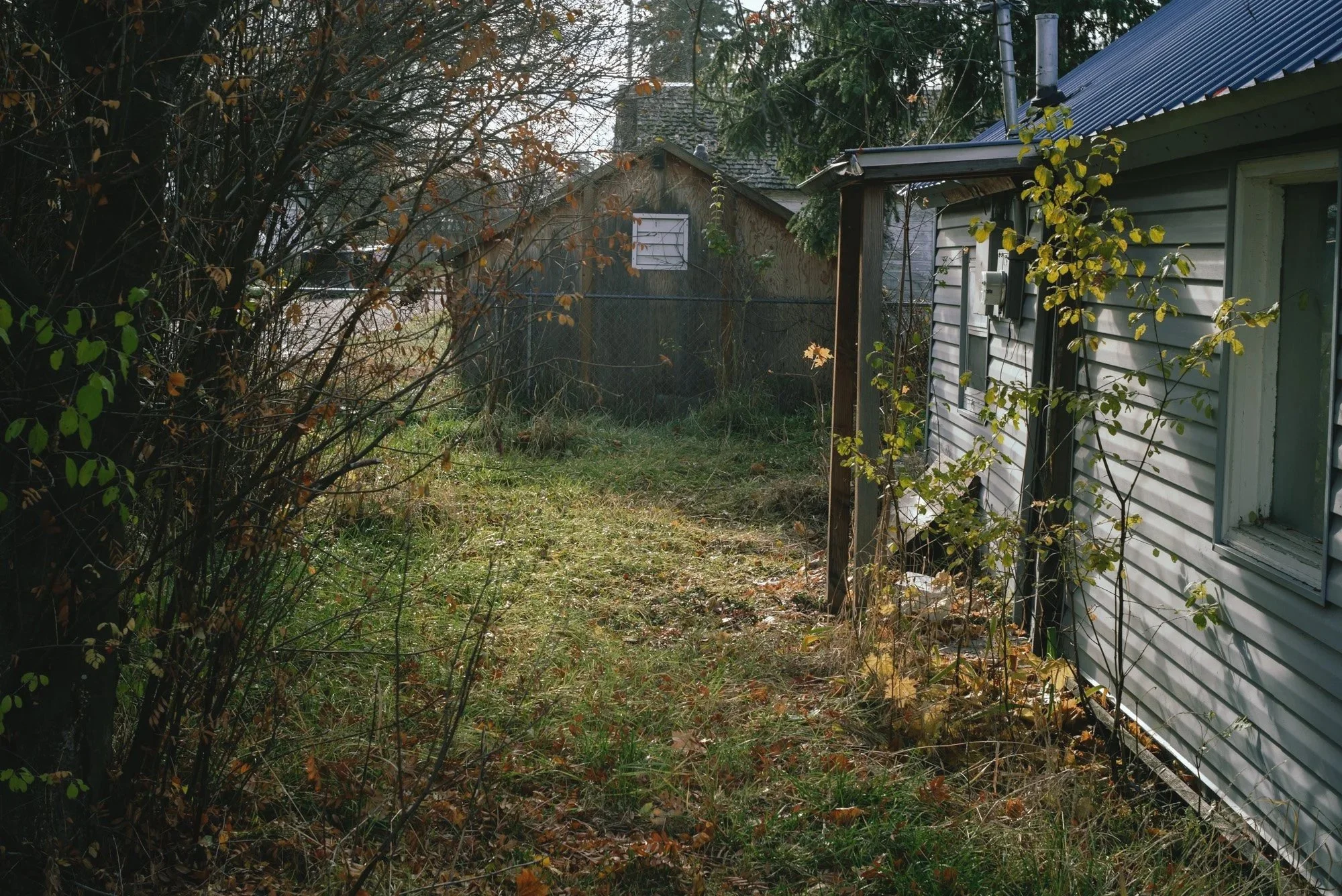
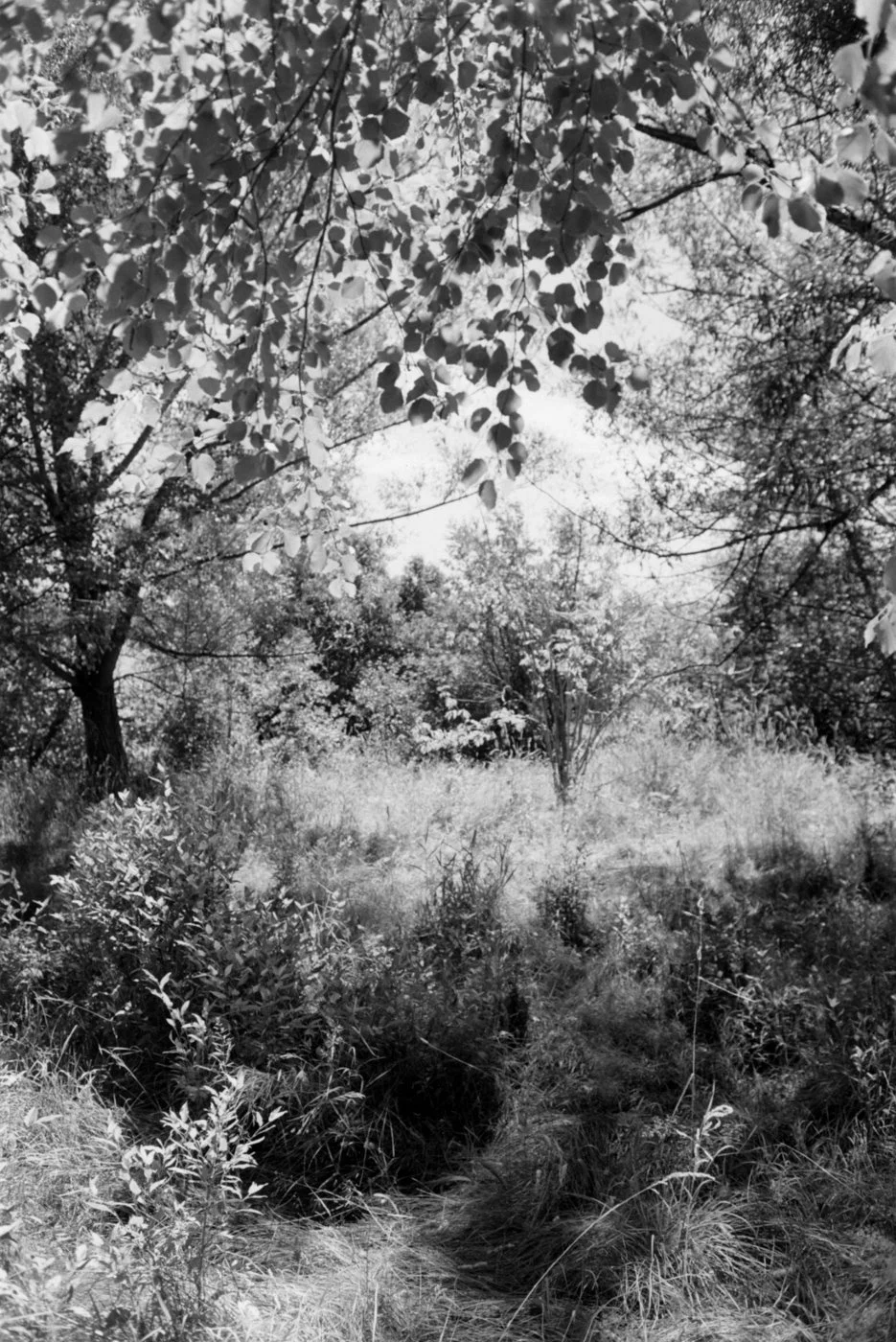
Walking, testing a lens hood, etc..

Autumn strolling and shade
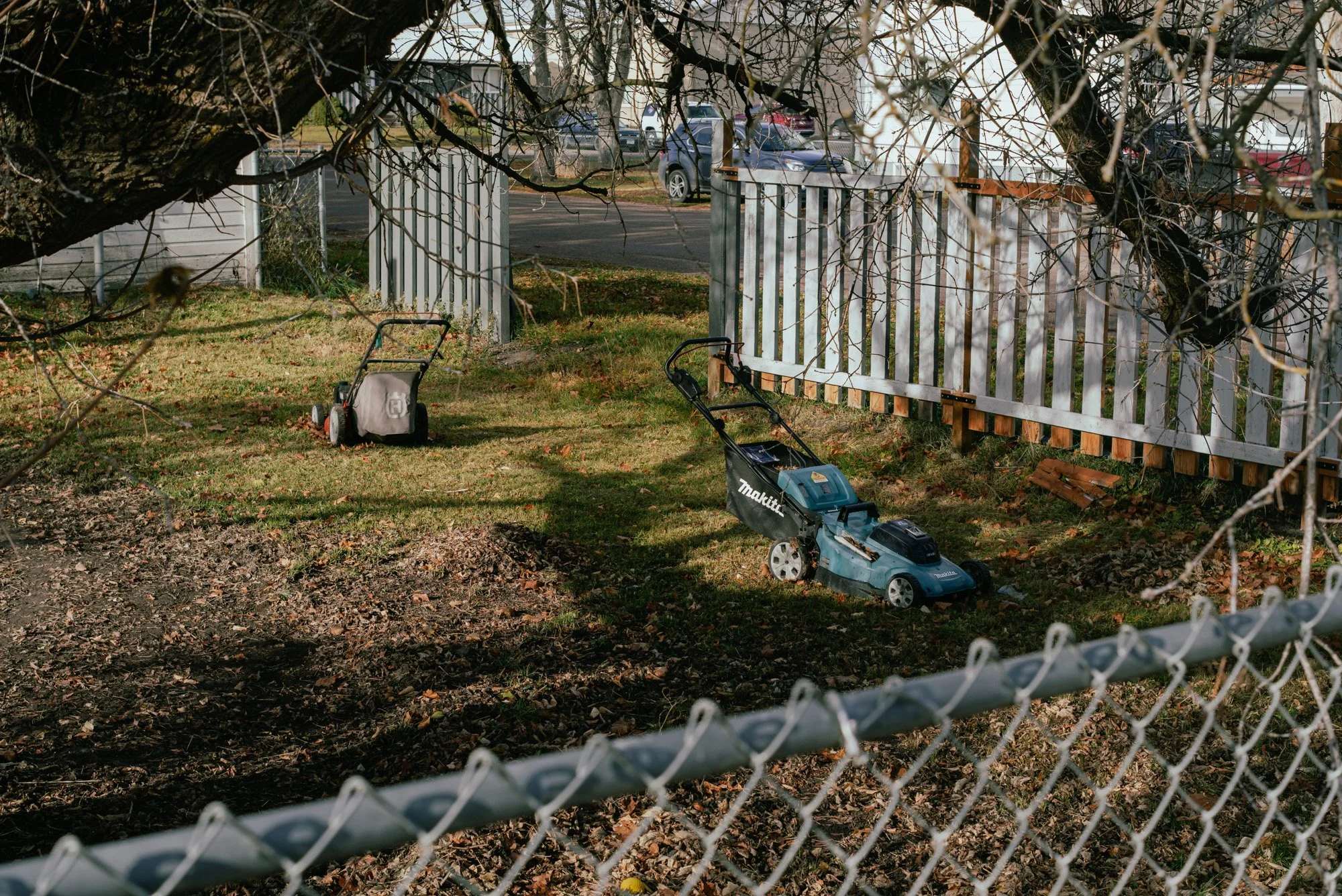
Leica M262 + Leica Elmar 50/2.8

I just published that piece on Robert Adams a couple days ago and it felt weird to spend last night without writing something on the laptop. If you haven’t read that, check it out. Some people have called it better than the schizophrenic drivel that Tim Carpenter vomited on the pages of that one book about dying. Anyways, we took a walk this morning around the neighborhood before the sun got too high.
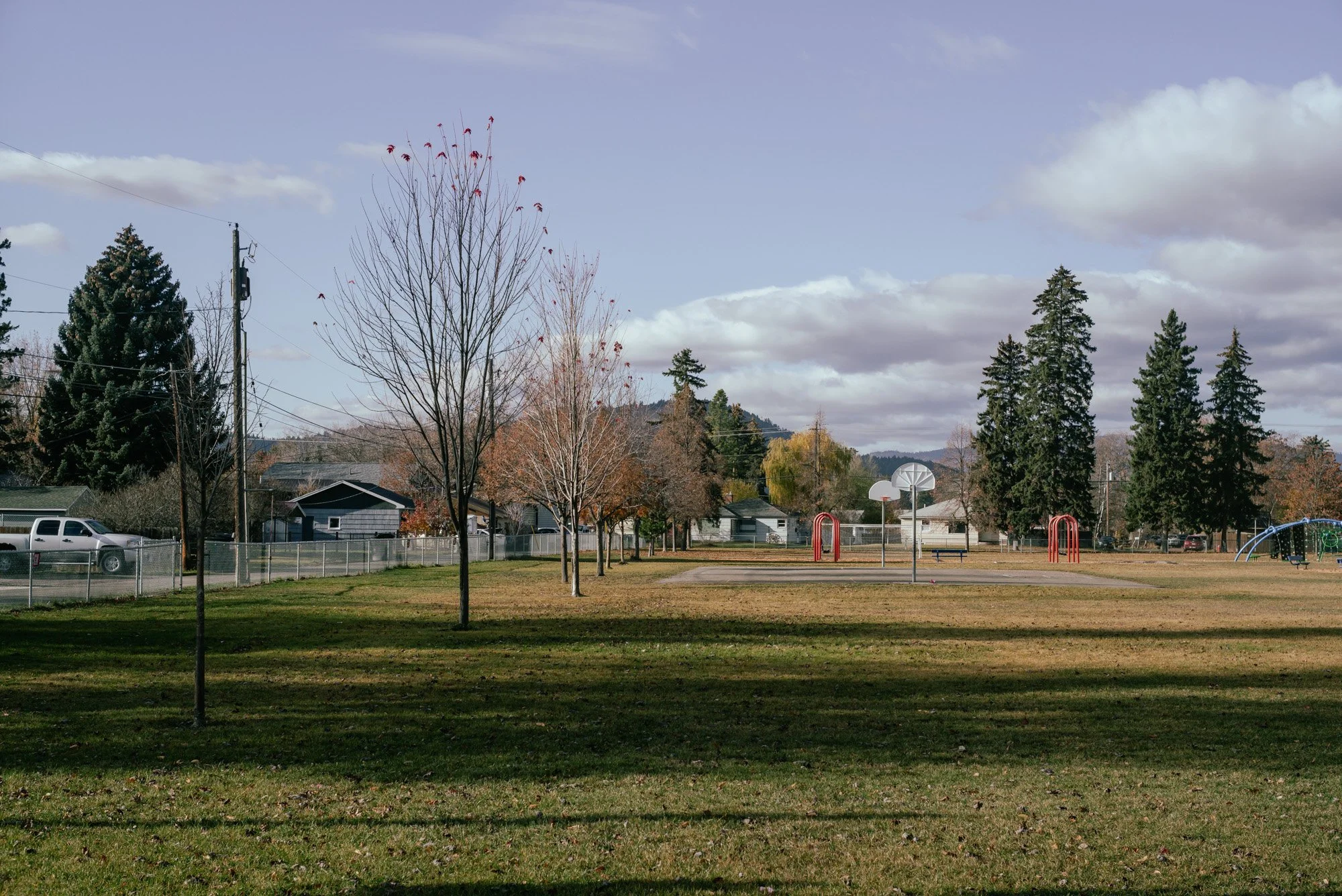
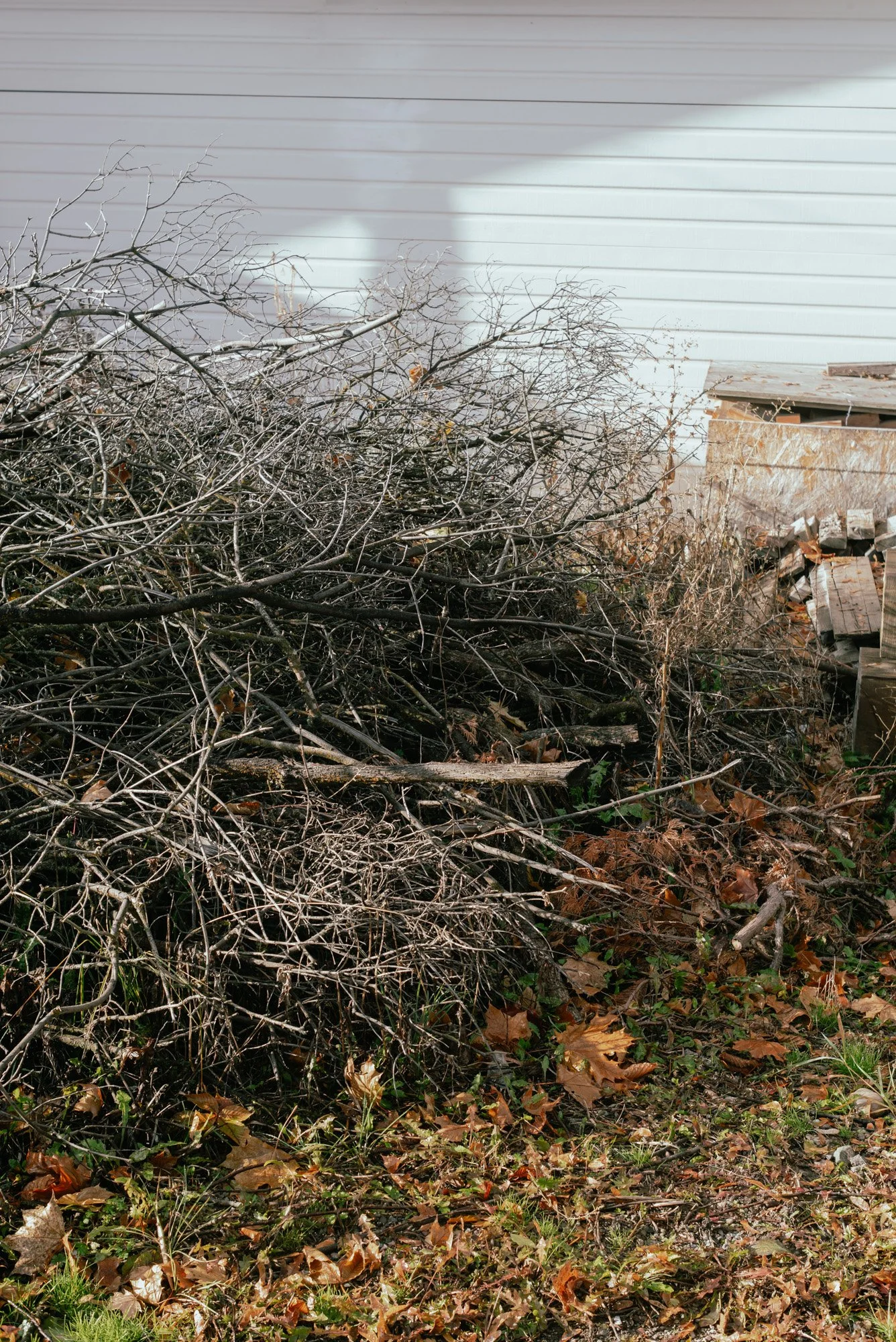
I took the Leica and the Elmar to test out the 6 dollar lens hood I got for it to try and tame some of its tendency to flare. Leica makes a dedicated hood for the Elmar-M that looks really slick in a matching silver but FFS it’s $150 USED on the eBays, so, uh, I’ll take the cheap Amazon lens hood. It worked pretty well, only flaring in a few minor circumstances. I hate lens flare, to be honest. One of the things I do love about my Zeiss Planar is that I can shoot it like an absolute idiot and it can handle just about anything with very little fuss. It’s a great lens to throw on the front of the camera and forget about. But, the Leica does render in a somewhat more pleasing manner.
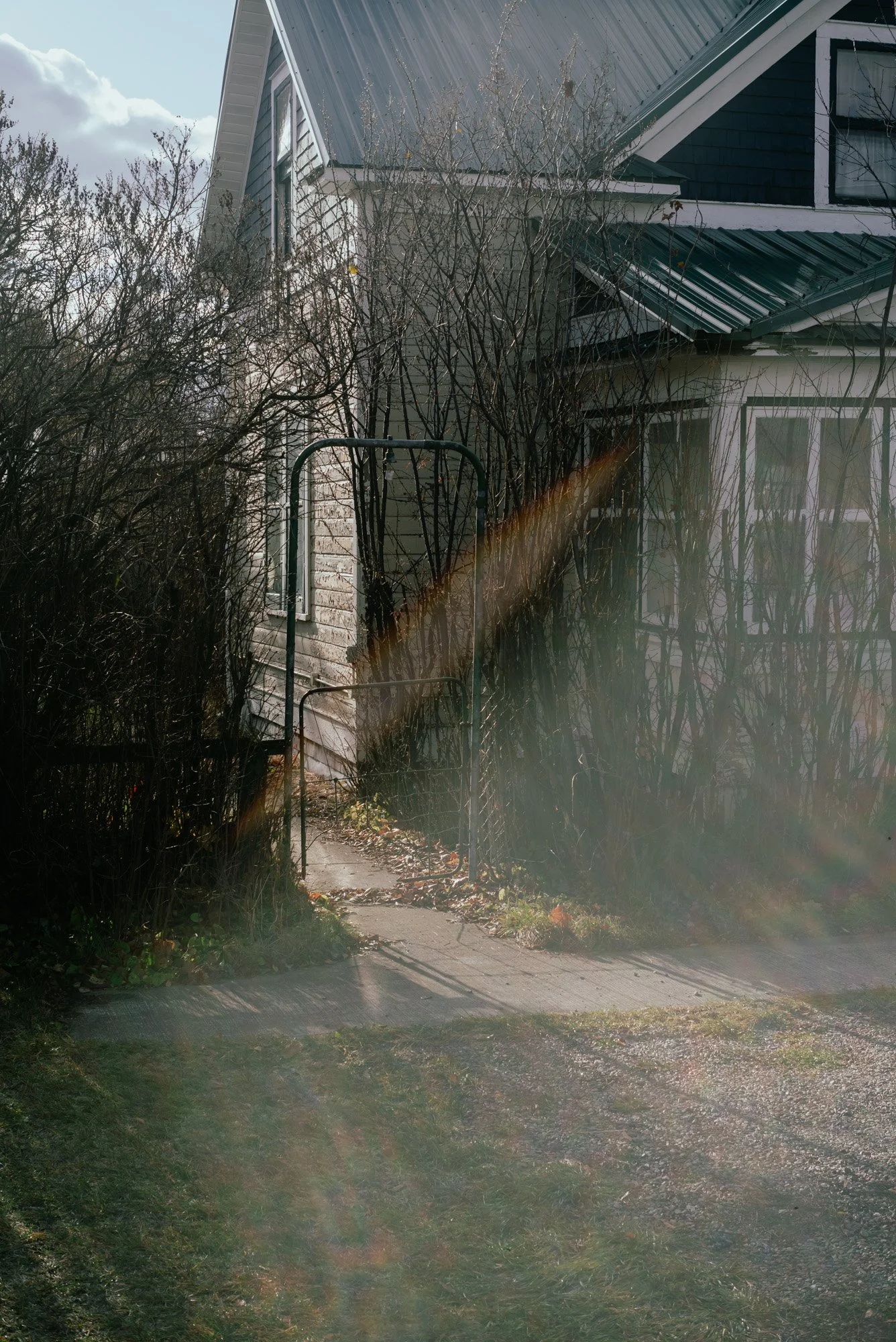
This was about the worst flare
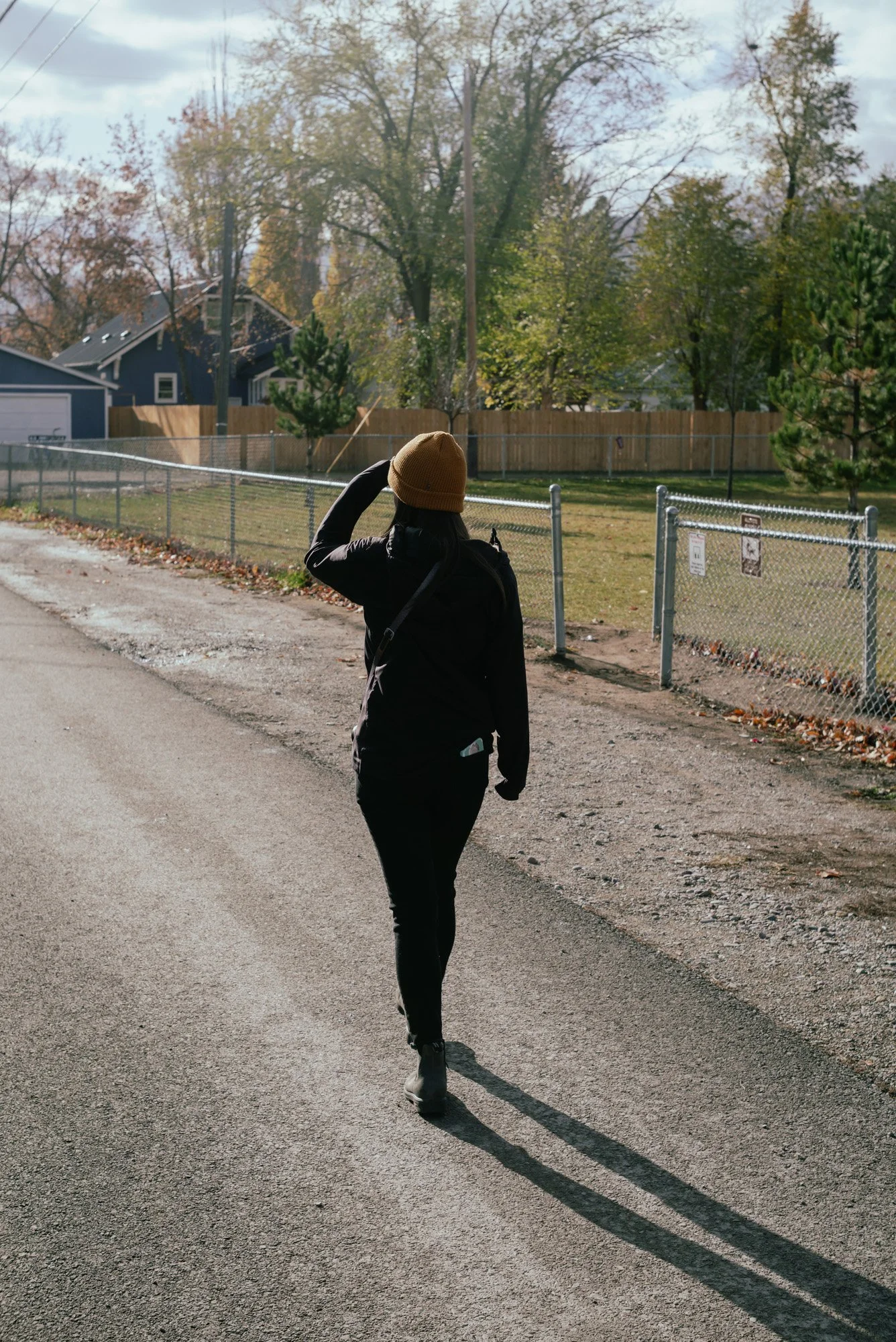
Jess walking, but also, no flare shooting toward the sun

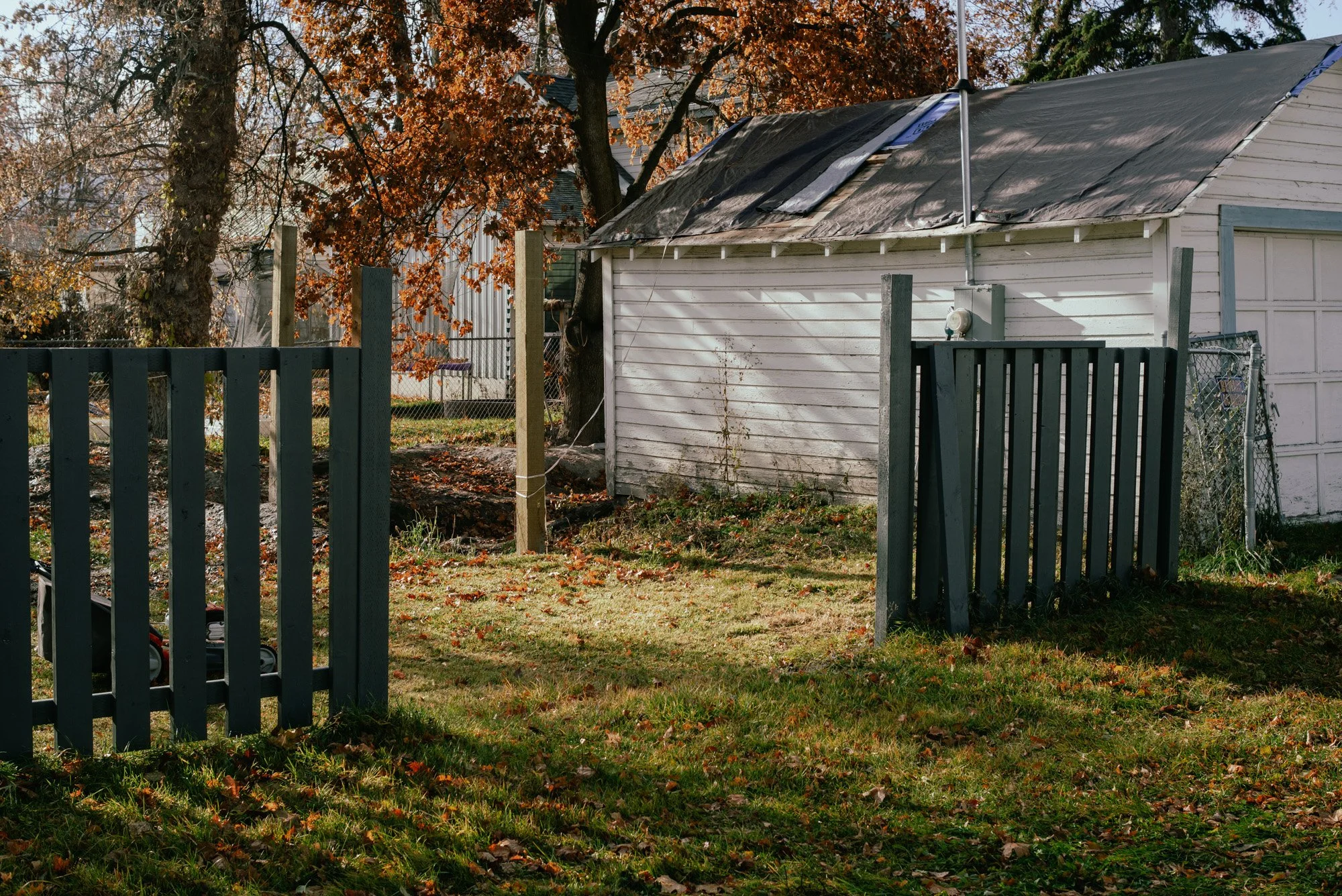
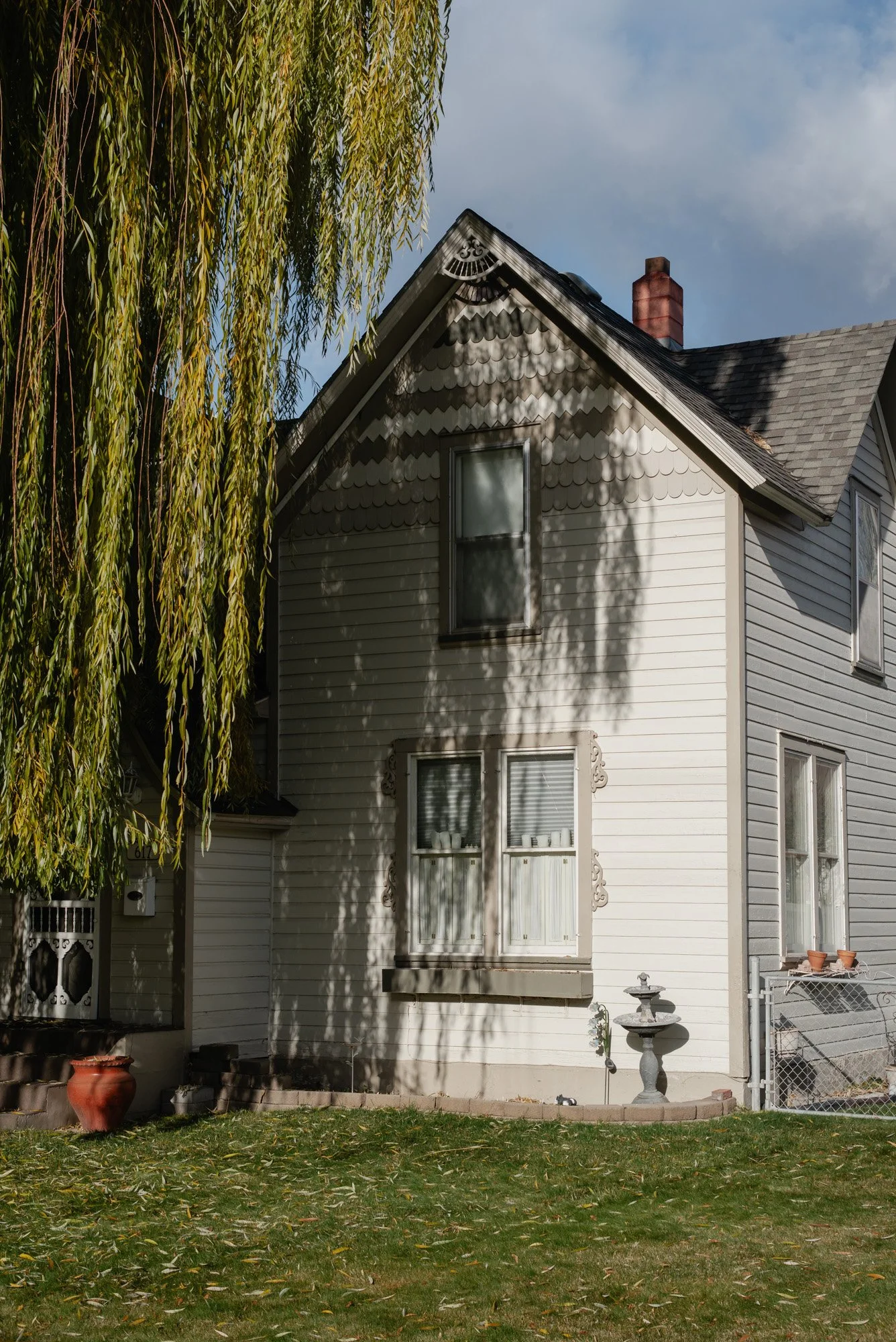
The Elmar tends to render a little softer than the Planar. It’s still wildly sharp, especially considering it was made something like 50-60 years ago. This copy has had the benefit of a CLA from Youxin Ye as well which helps it feel as good as it probably did when it left the factory all those years ago in Germany. But, it has a kind of “organic sharpness” if that makes any sense. It’s sharp without being clinical or crunchy. It has a balanced contrast to it as well, unlike some modern lenses which can tend to have kind of insane micro-contrast. It gives the appearance of sharpness but at the cost off a rendering that to my eye can feel harsh and unnatural.
That’s about it from me. I’m going to go back to enjoying my freedom from writing in the evening. I’ve been working through some of Charles Hartshorne’s work in process theology. Wish me luck.
The Quiet Hope of Robert Adams

Robert Adams and New Topographics

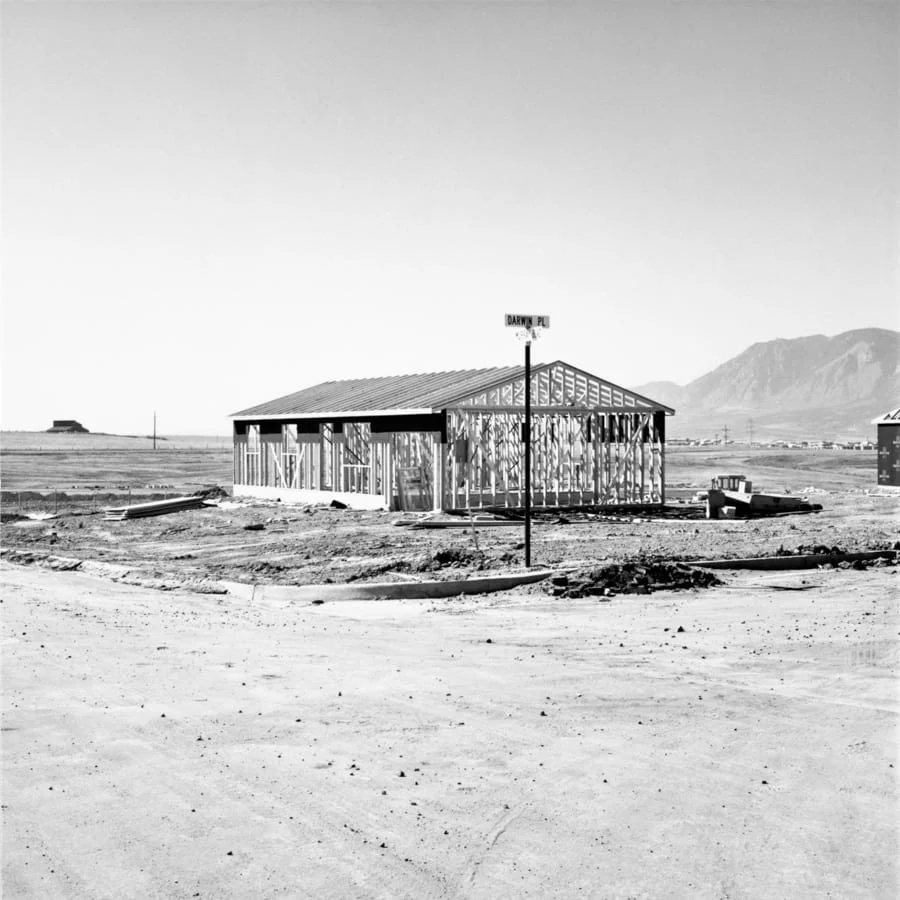
Robert Adams is a ubiquitous name in contemporary photographic circles, and for good reason. Adams’ work in the 1975 exhibition New Topographics: Photographs of a Man-Altered Landscape was part of a seminal moment in the trajectory of contemporary landscape photography. His photographs of a transformed and transforming Colorado front range in works like The New West have been seared in to our collective consciousness as Adams grappled with the ecological and existential implications of the sprawling suburban development of the Colorado landscape. The work of Robert Adams and others in the 1975 exhibition transformed the subject matter of the landscape photographer by supplanting the romantic ideal of nature with the more uncomfortable, less idealistic realities of the land in contemporary existence. The earth becomes historic for the first time with the new topographic photographers. In place of the 18th century romantic fantasy of nature we are confronted with the stark cost of modernity.

We all know this story, and in some regards we have become jaded by the ubiquity of the aesthetic legacy of the “event” of Robert Adams. But this is also not the whole story of Robert Adams, nor even the most interesting part, in my admittedly peripheral opinion. I don’t wish to diminish the importance of his early work in any way, but I do wish to point to a somewhat subterranean current in his body of work that only seems to become thematized for its own sake in the later years of his work.

Robert Adams | The New West

Whispering Sublime

Adams is quoted as saying at one point, “I thought I was taking pictures of things that I hated. But there was something about these pictures. They were unexpectedly, disconcertingly glorious.”

Adams was clearly dismayed at what he saw as the needless violence being perpetrated against the landscape and part of this does come through in the images. The photographs, especially those in the 1970’s, are not “easy viewing.” My first experience with Adams’ work was not a positive one. I could find nothing to affirm in it. I think that part of what makes it difficult for Adams’ work to hit for some people is that the photographs present us with a reality from which we rightly recoil. The juxtaposition of sprawling, banal urbanity with the tarnished beauty of the landscape confronts us with uncomfortable realities that call forward deep reflections about the meaning of the land and of our sojourn on it.

But even in what we might call the peak New Topographics phase of the 1970’s there is this quiet sublimity that whispers through the broken fragments of the land toward which Adams pointed his camera. This is what, I think, Adams points to as the “disconcertingly glorious” aspect. Beyond the sprawling tract homes we often see the silhouetted peaks of the Colorado front range, we are shown the open play of light, or we are shown a lone patch of scrub brush obstinately growing in the concrete bank of a highway. This is the quiet hope of Robert Adams, the delicate sublime that persists despite our worst failures, and it comes to occupy a more and more central place throughout the wandering pathways of Robert Adams’ photographic career.

Robert Adams | From the Missouri West

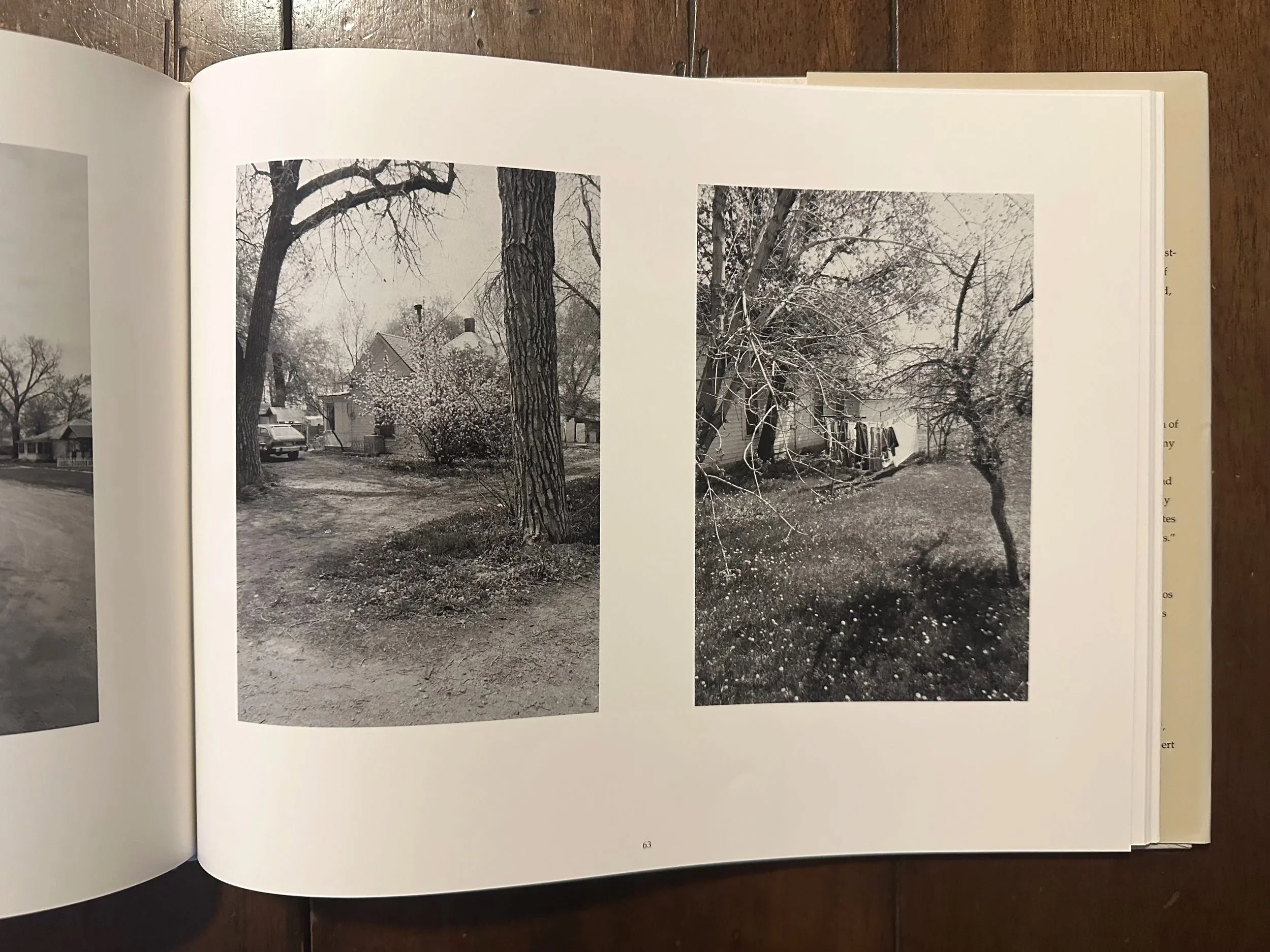
Throughout the work of the 1980’s and beyond we see Adams increasingly pointing his camera toward that which he wishes to affirm rather than what he seeks to negate. For example his 1980 work From the Missouri West feels more like a love letter to the deep beauty of the West than the work from the 1970’s. Throughout his oeuvre we still find the characteristic juxtaposition of the “sacred” and the “profane” that makes Robert Adams’ work interesting but especially in his later life we find this increasing focus on the sublime, the beautiful, the numinous, etc.. I would perhaps feel more uneasy about attributing these notions to Adams’ work if it weren’t for the fact that he commonly uses this kind of language in his written works.

If I had to give a more concrete time period for this transition, the 1990’s seem to be important. This is when Adams starts working on West from the Columbia, which feels even more strongly like a devotional to the beauty of the land than the earlier From the Missouri West. A number of other book releases in the 1990’s also seem to make a thematic shift. Works like Cottonwoods, Listening to the River (my personal favorite) seem to show us a different sensibility at work in Adams, trading an unsettled tension of the human and the natural for hopeful affirmations of the sublime. Even a 1999 republication of some of his earlier work titled Eden seems to recast the work of the 1970’s in a way that gives more attention to the presence of the numinous shimmering beneath the surface of everyday life. And as we see Adams work progressing in to the 2000’s this focus only seems to deepen.

If pushed I would probably make the stronger claim that these experiences were always a motivating factor for Adams’ work. Why photograph sprawling tract houses in anger if not because of some sense that they were worthy of negation? Adams’ early work feels like it comes from out of this quiet reverence, a cry against the desecration of the beautiful. From the safety of disinterested speculation, and to use Adams (a la Why People Photograph) against himself, we might say that the turn in his work over the years is his attempt to find for himself that which is worthy of affirming in this life. Negation can get us far but it gives us nothing to live for. The beautiful, the sublime, the numinous. These are experiences of meaning, of purpose which transcends the mundane. In the words of the American poet Robinson Jeffers, “The beauty of things means virtue and value in them…It is the human mind’s translation of the transhuman intrinsic glory. It means that the world is sound, whatever the sick microbe does. But he too is part of it.”

Robert Adams | Pine Valley

The Photograph as Devotional

In Adams’ 1981 book Beauty in Photography we find, in the eponymous essay, an allusion to the idea that the function of art is to give witness to beauty. As he writes in that piece: “William Carlos Williams said that poets write for a single reason - to give witness to splendor (a word also used by Thomas Aquinas in defining the beautiful). It is a useful word, especially for a photographer, because it implies light - light of overwhelming intensity. The Form toward which art points is of an incontrovertible brilliance, but it is also far too intense to examine directly. We are compelled to understand Form by its fragmentary reflection in the daily objects around us; art will never fully define light.”

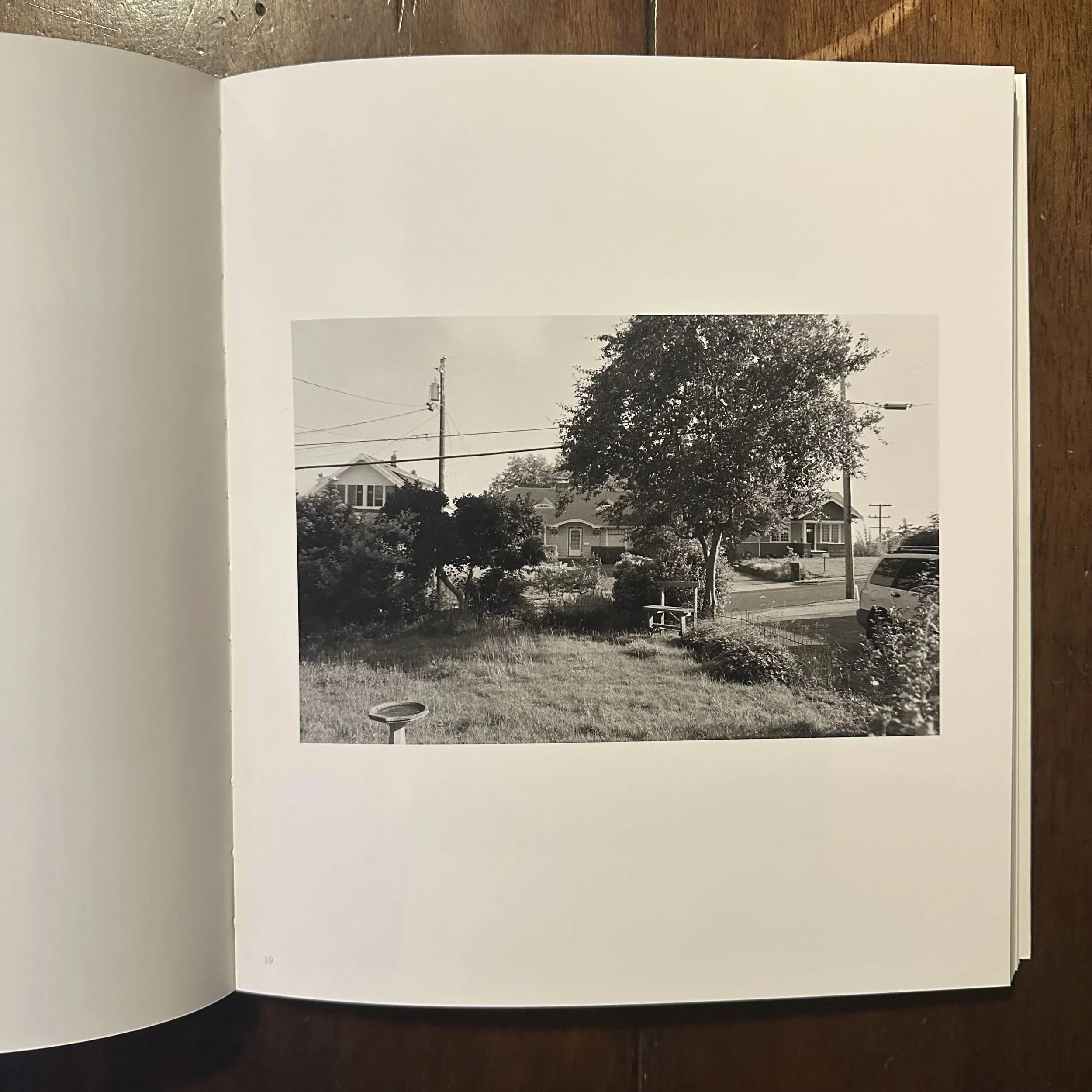
This dimension of Adams’ work was first illuminated for me when a friend recommended Adams’ 2011 work, This Day. The work in This Day consists of quiet everyday moments around Adams’ home as well as natural landscapes around the Northwest Coast. There is an opening quote in this book, printed in a soft gray text against the white pages which reads, “The category of the sublime is so vulnerable, so fragile—but it is, for all that, our final outpost…” The language of the sublime gives away (or maybe situates the viewer with the proper frame of reference), yet again, that the book is best understood as a practice of bearing witness to the sublime in daily life, with all the existential depth that that experience calls forward in us. Dappled light through an open window, or the play of light over grasses lain before the expanse of the Pacific Ocean are reflections on the presence of that quiet, meaningful beauty which Adams has hinted at in so many ways in so many places over the years.

Robert Adams | This Day

I said at the very beginning of this that I did not in any way intend to detract from Adams’ earlier work. A friend of mine pointed out in conversation the other day that the scope and depth of Adams’ influence some 50 years later only speaks to the prescience of his observations in the 1970’s. And understood in the proper context Adams’ earlier work is an important part of a larger conversation about ethical reflection on the relationship between humans beings and the natural world. But for all this hefty importance I can’t help but find a much deeper resonance with the work that would only come to full fruition some 20-30 years later. Someone could make the argument that I’m simply jaded, and not giving the earlier work its due reverence. You know, the way someone who lives in a world already influenced by Led Zeppelin might struggle to understand how impactful the band was. Maybe, and maybe Stairway to Heaven just kinda sucks. In My Time of Dying is a better song, but now we’re on a tangent.

To get back on track, the quiet hope in the late Robert Adams is the experience of grace. It is the direction of our gaze toward the beautiful. In an age of nihilism and disenchantment, and amidst the pains and turmoils of our worldly existence, it is the subtle reminder of that quietly shimmering beauty which is the foundation of the world and which remains an inexhaustible, eternal possibility. In the words of the American writer Wendell Berry, is it that vision by which we “…see that the life of this place is always emerging beyond expectation or prediction or typicality, that it is unique, given to the world minute by minute, only once, never to be repeated. And this is when I see that this life is a miracle, absolutely worth having, absolutely worth saving. We are alive within mystery, by miracle.”

This is the beautiful, subterranean current of Robert Adams that I have come to enjoy so much and which I wanted to share with you.

Robert Adams | Listening to the River

Also, as an addendum: Seriously, find a copy of Listening to the River. It’s such a beautiful book and maybe my favorite Robert Adams book.

Why Color? Or, the redux on monochrome vs color

Mostly niche rambling about obscure art stuff, approach with caution

Beauty and the weight of tradition

I’ve been taking the whole practice of making photographs seriously for probably 10 years at this point. And until this year black and white photography was my primary medium, to the point of exclusivity really. I would dabble in color work once every few months for a small batch of images and then go back to shooting black and white.

There is probably a complex history of why this came to be the case but the easiest explanation is probably to do with my earliest exposures to “fine art” landscape photography through the works of people like Ansel Adams, John Sexton, Michael Kenna, etc etc.. The past-masters to which one looks when learning about the craft largely all shot black and white (let’s ignore for now that it’s a historical necessity). I was also deeply moved by the beauty of the medium itself. Good black and white work has a beautiful and captivating quality, at least it did for me. I wanted to make work that moved people in the same way that I had been moved.

To me, black and white was a medium synonymous with artistic photographs. So, as someone who saw themselves trying to do something more than straightforwardly documenting the world around me with a camera, working in the medium of black and white seemed like the obvious choice. To do anything less was to do something less than “art.” I hate that term but for lack of better language I think it gets at what I mean. Black and white work carried the mystique of being the medium of “serious” photography so that was the path I followed.

A working theory, monochrome photos, and the uncanny

When you do something for so long, at least for me, you tend to wonder why you do it. You dedicate time and thought to understanding the mechanisms and motivations of the thing you’re doing. And over the years I settled on a general theory for why black and white work was superior for what I was trying to do.

I’ve outlined this theory so many times over the years I think I can get it pretty short and sweet here: A good photograph, for me, is one that is able to facilitate the experience of uncanniness. Black and white is an especially useful tool in creating the conditions for this experience because the medium is a break with our everyday experiences of things. Color, being more familiar to us, does not as easily facilitate the experience of the uncanny. So, black and white is the superior medium in this regard.

Back in a piece I wrote here on this website in 2018 I had already pretty much settled in to the main outline of this way of thinking. There I wrote the following:

”[…] through the medium of black and white we are able to present the world in ways which push our experience into the realm of the unfamiliar. And in so doing we create a space for a kind of experience which has the effect of moving us to think or see differently about subject matter being presented to us.”

To flesh this out a little bit, when I say uncanny I mean something in the photograph that allows us to in some way experience the world anew. This experience seems to me to be the root of that intangible something in a good photograph that causes us to pause and linger, to have a contemplative experience rather than a simply passive one. A Robert Adams photograph of an empty overgrown lot is meaningful because it calls us (if we’re able to listen) to sit with that empty lot and the evening light dancing across the scrub brush in a way that we wouldn’t have just bustling about our everyday lives. The world is able to come to presence in a photograph in a way that renders it unfamiliar, mysterious, worthy of a lingering consideration, uncanny. And the medium of black and white, being already removed from our normal perception, does seem to lend itself to these kinds of experiences, at least more readily than the medium of color. Given the familiarity of color, our habits of seeing (or not seeing, more accurately) can override the way we experience something, erasing the possibility of the world approaching us anew.

It was within this general perspective on the alleged unique capacity of black and white work where I stayed for the vast majority of my photographic “career.”

Color, questionable premises, and the wedge of Eliot Porter

In objective terms there’s not much wrong with the general theory I outlined above. I would even argue that the premise about uncanniness is very much true and probably the most important realization that I’ve had about what makes some work meaningful and other work miss the mark. And it does seem to me to be generally true that black and white work is in some sense “easier” for this task because of the abstraction from our everyday experience. In this weaker form I think the argument is fine. But sometimes I would put the argument in even stronger terms in some kind of puritanical attempt to make black and white photography the only avenue for making good photographs. I would sometimes say that color work is simply too close to our everyday experience to ever be able to create the conditions where that experience of uncanniness can enter the frame. I wouldn't even really consider any color work as all that important, or at the very least it couldn’t possibly be doing the same thing I was trying to do. This may have been simply my parochial insistence on only focusing on work that was similar to work I was trying to create, but regardless, it’s this stronger position that I’ve come to think is, well, pretty stupid.

We could undoubtedly highlight many, many photographers past and present doing color work that achieves the standard of good photography set above. I had obviously seen the work of color photographers but my offhand dismissal of the whole edifice of color photography often prevented me from really sitting with any work that wasn’t presented to me in shades of gray. There was one photographer that always subverted this tendency, however. That photographer was Eliot Porter. Porter began his photographic career in black and white until the late 1930’s, working with the guidance of Alfred Stieglitz. Some time in the early 1940’s he turned to color work and began producing some of the most beautiful intimate nature photography I have ever seen, all in beautiful dye-transfer color photographs.

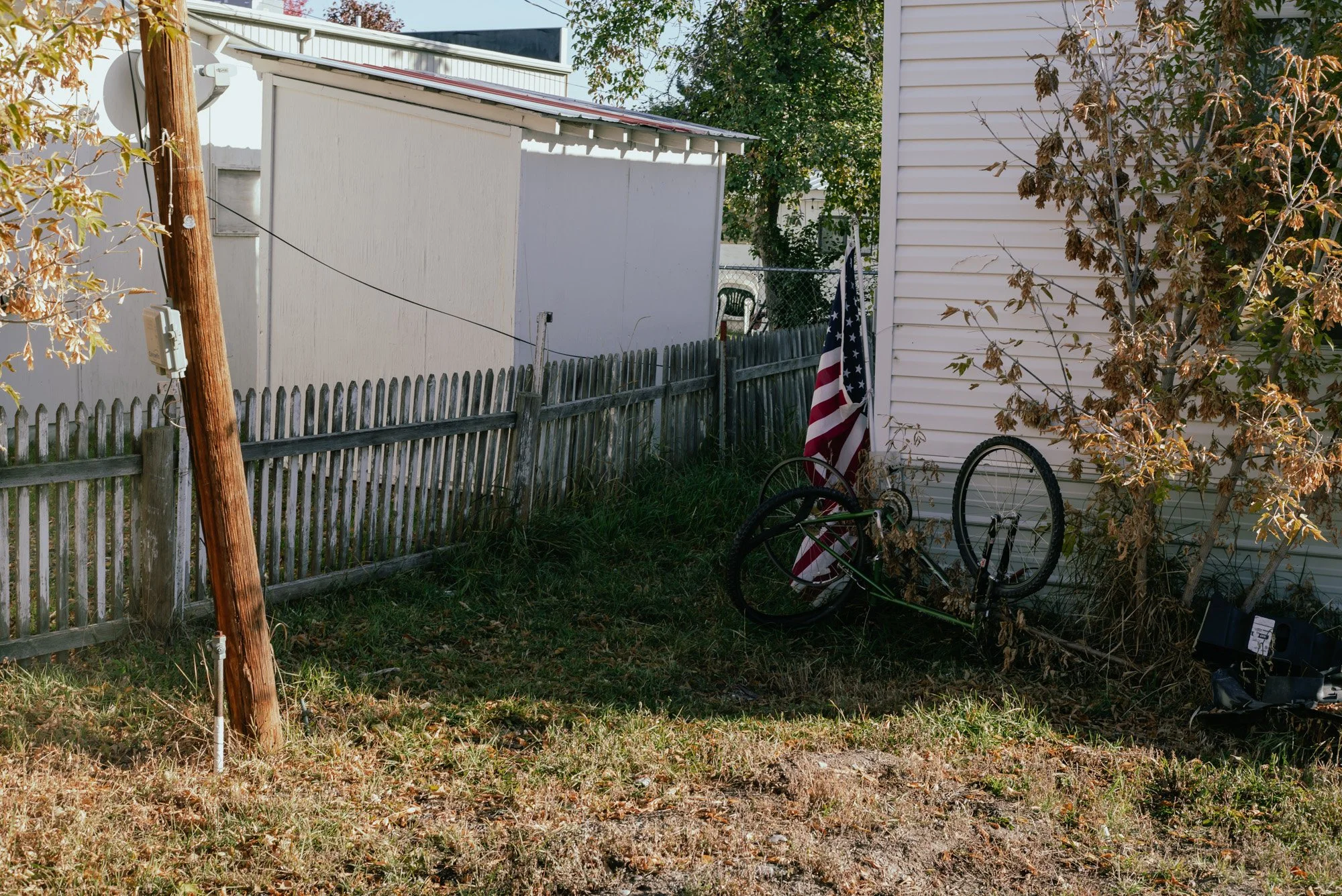
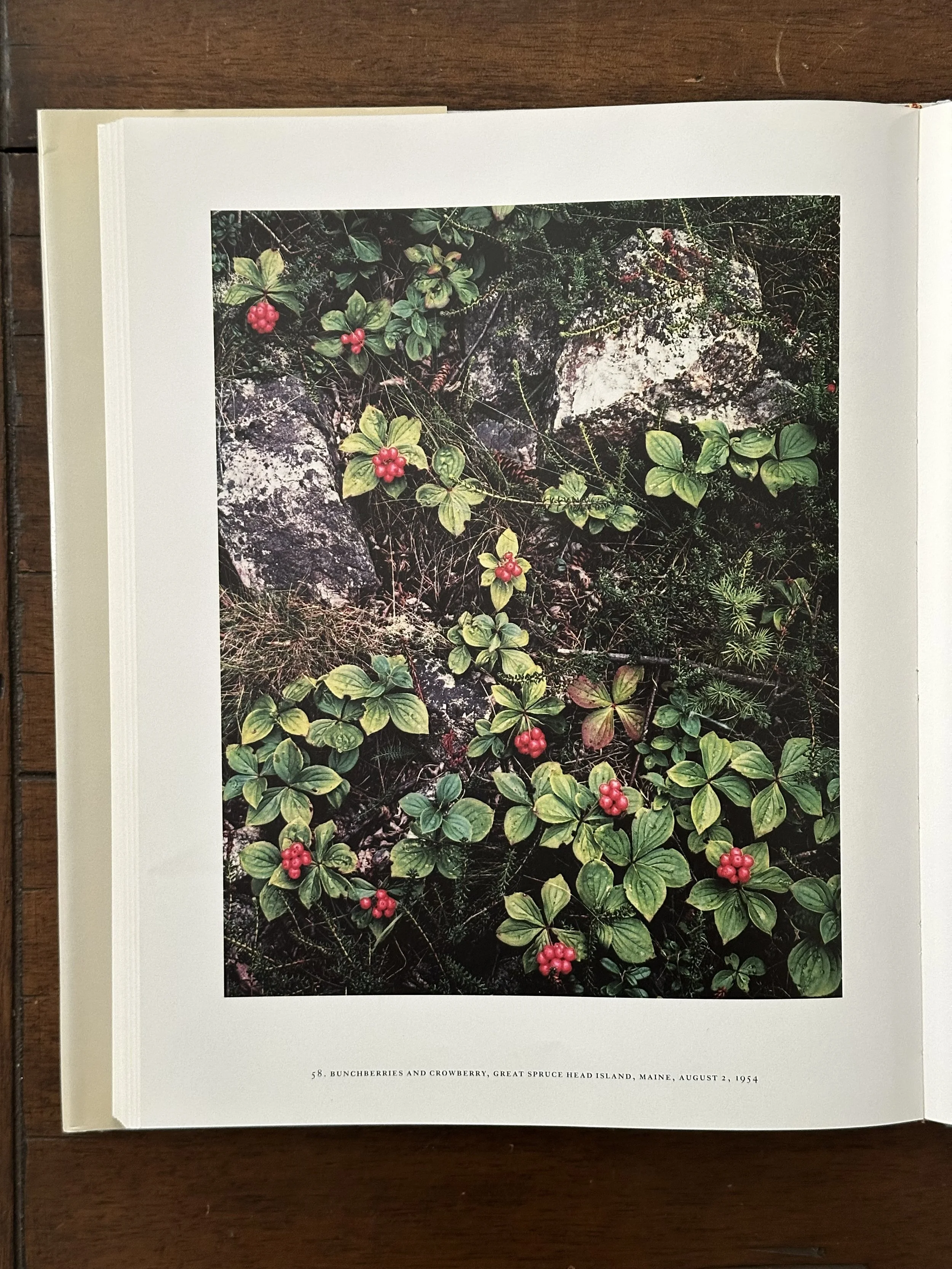
Eliot Porter was color work that I could not deny was capable of rendering the ordinary uncannily, in full living color. For me his work was a benchmark of what good color work should feel like, and whenever I did dabble with color work over the years it was usually inspired by a recent foray through his work. In fact, my recent jump in to color work was actually precipitated by a combination of the subject matter of the later Robert Adams paired with the color of Eliot Porter. The work I envisioned in my mind is what led me to begin to explore other color work, leading me to photographers like John Gossage’s color photography, Ron Jude’s work in projects like Other Nature, Ken Abbot, Frank Gohlke, etc etc.. And in these photographers I found over and over again how wrong I had been about so much of color photography. Color work is just as capable of presenting the world to us in ways that achieve that same uncanny experience. The rub is that it’s more difficult…

Color is hard(er)

One of the things we’ve said a few times so far in this piece is that black and white work is “easier” than good color photography. I fleshed out a little bit of the reasoning for this in saying that because black and white is already a break from our everyday experience it already puts us in to a perspective where we are encountering the subject matter of a photograph in a form that is removed from our usual modes of experience. This is already a small step in to the “uncanny.” This is why there is some truth to that joke about how if you have a mediocre photo you just put it in black and white and suddenly it’s “artsy.” This isn’t said (obviously!) to disparage black and white work, I’ve spent years doing it. There’s a definite art to making black and white work that isn’t just bad photos turned kitsch by sucking the color out of it. C.f. the whole history of beautiful photography produced before color was a thing and the people who continue to make beautiful stuff in monochrome today.

But…color work, in my experience, is an entirely different animal. The fact that the medium is the same medium in which we experience the world around us makes it much harder to create images that are able to strike us, that allow the world to come to presence anew for us. That uncanny word again… I think one of the reasons I have always had such a hard time sticking to color work for any extended period of time is this very difficulty. It’s hard to figure out how to make that shift once you take away the crutch of being able to fall back on the desaturation slider. In a sense you’re forced to have to learn how to make photos all over again, at least that’s how it often felt to me. This kind of creates a situation where color work is everywhere around us, but good color work is actually hard to come by. Think of every one of the 47 million crappy hyper-realistic landscapes you come across on your Instagram feed versus the handful of color photos that actually make you stop and go, “Huh,” your thumb lingering over the screen of that smart device before you doomscroll another hour away.

Okay, that’s a lot of words to repeat the simple point that is is generally harder to make good color work because of our familiarity with a color world and the way that our experiential habits make it difficult to open up a space for this kind of unique presencing of subjects in a photograph. You get it.

Sticking with it?

I’ve been shooting color just about exclusively now for the last few months and it’s been a very interesting experience. I don’t really have any plan of stopping any time soon if I’m honest. I’ve actually found that color allowed things to come through in the photographs that had struggled to come through in monochrome. It does feel like there were things that I was seeing and experiencing when going to take a photograph that were getting lost in translation because of a stubborn insistence on black and white being the only valid medium I could work in. Unlearning this prejudice and opening myself up to the whole spectrum (lol) of color work has been a really liberating and fascinating experience.

It’s come as an interesting shock to me to learn that I have taken to shooting color so much. I remember a conversation with a friend of mine where they mentioned that I might be a color photographer despite my own history, and it is starting to feel that way. So, I’ll keep at it for now. I sometimes go out with the intention of shooting black and white from start to finish but it’s the exception now rather than the rule.