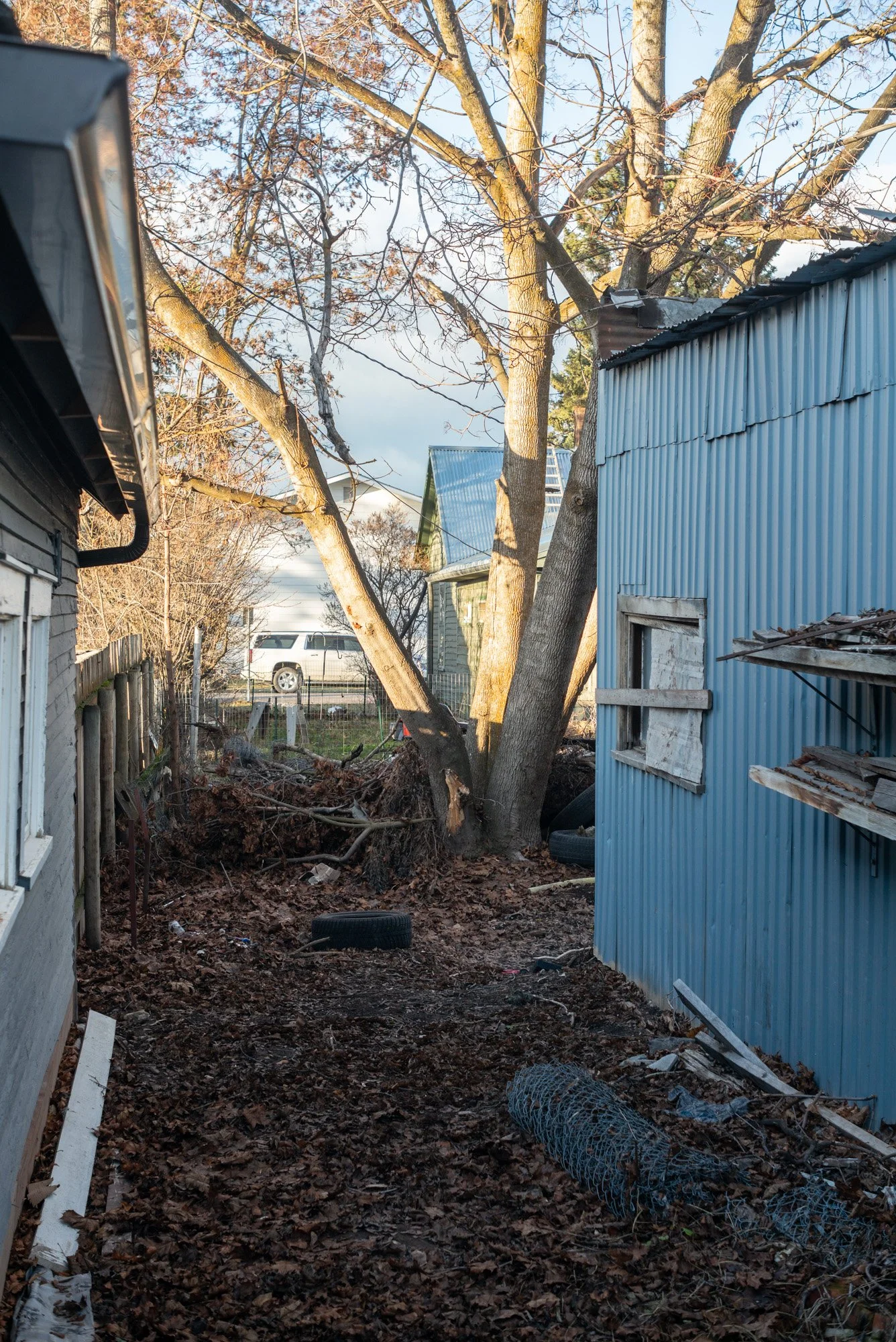
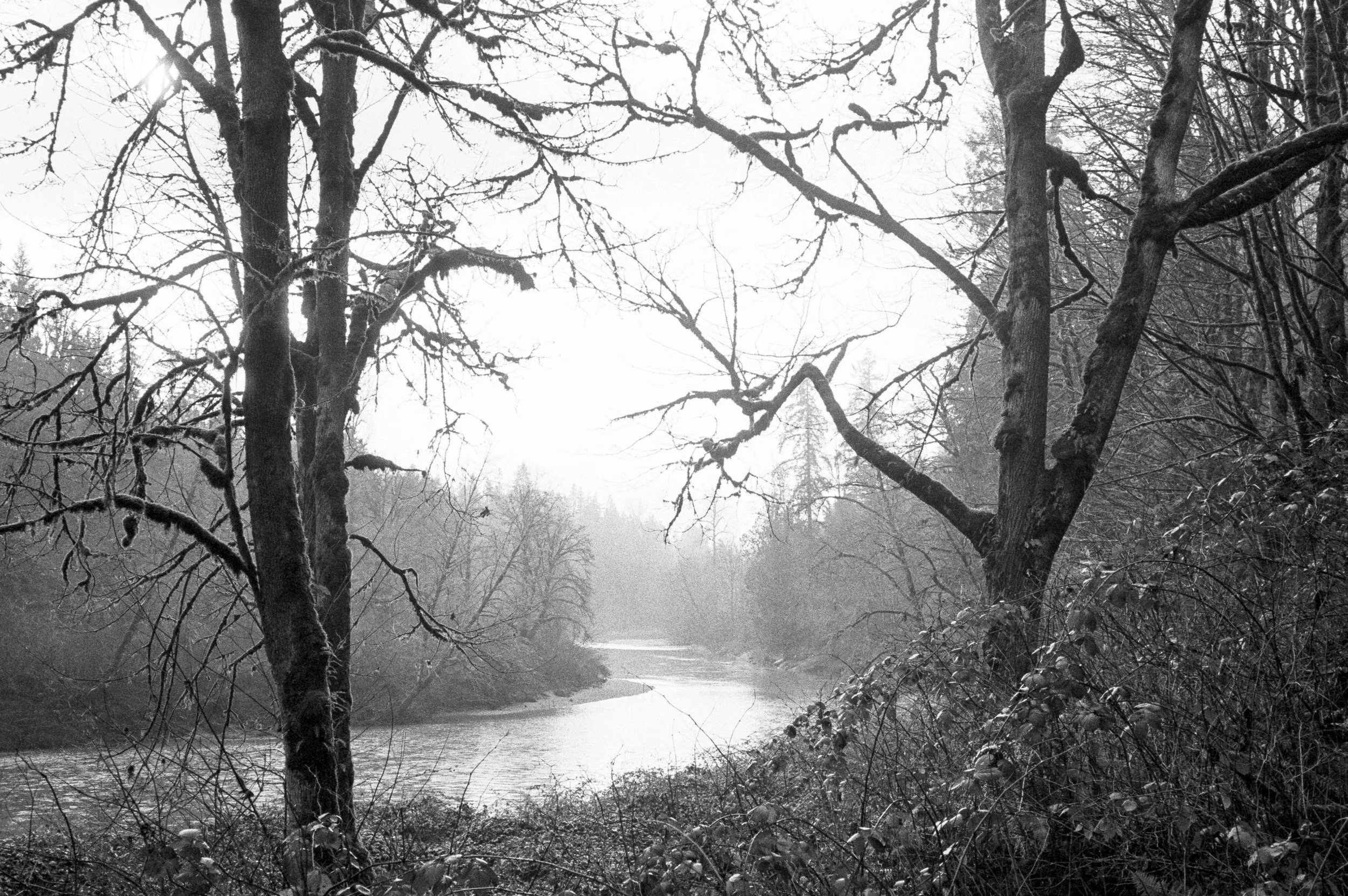
The North Fork of the Stillaguamish, outside Arlington, WA.
3 Miles of the Stillaguamish River
I've been spending a lot of time going through my catalog of images in the past couple of weeks and I’ve noticed a trend. I tend to make photographs of specific locations, often times visiting them over and over again. In some sense this wasn’t news to me. I know that I tend to revisit locations but I wasn’t aware how much I tend to focus on a specific location for a period of time before moving on. One of those locations I’d like to talk about is a 3 mile stretch of the Stillaguamish river in Washington.
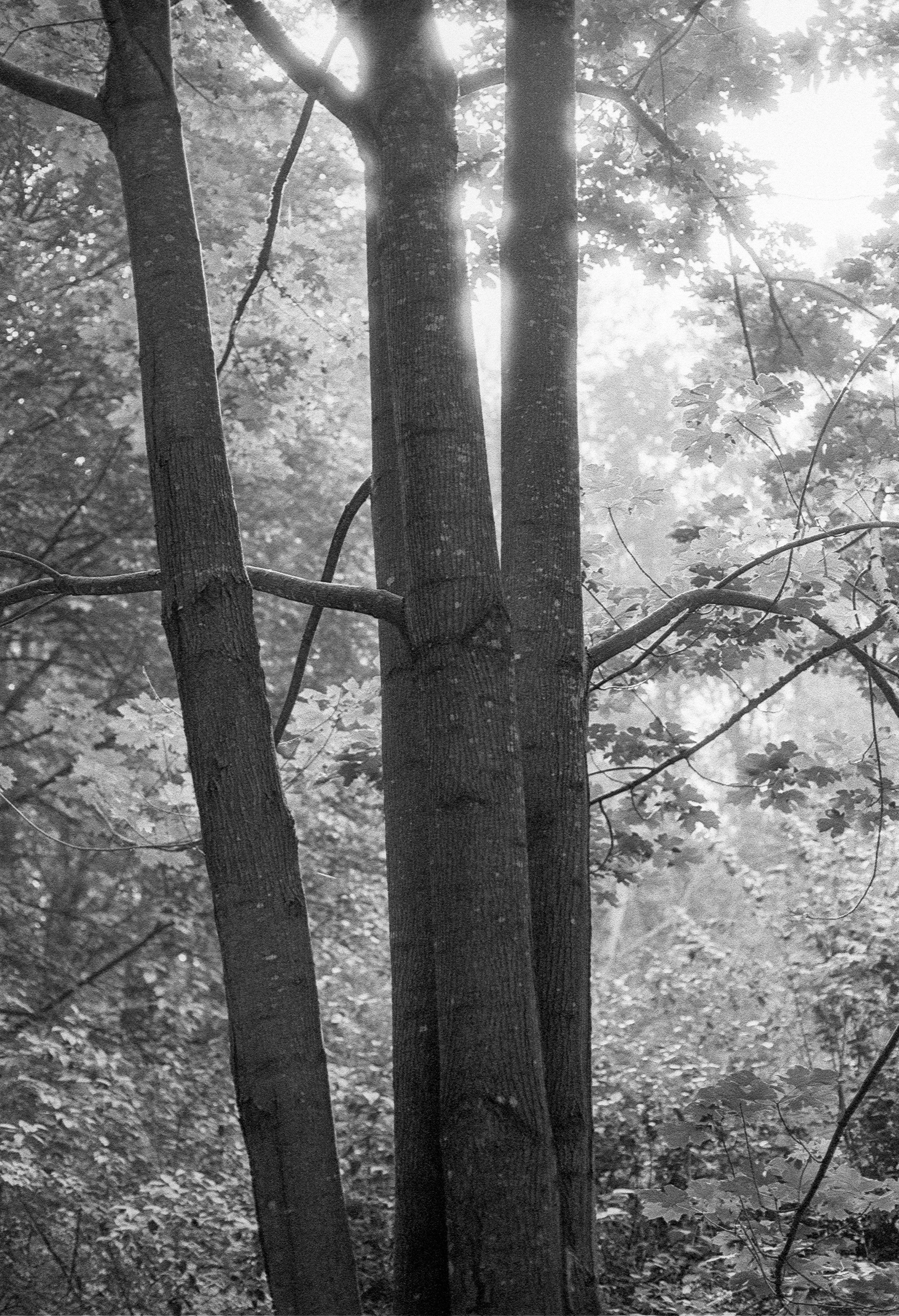
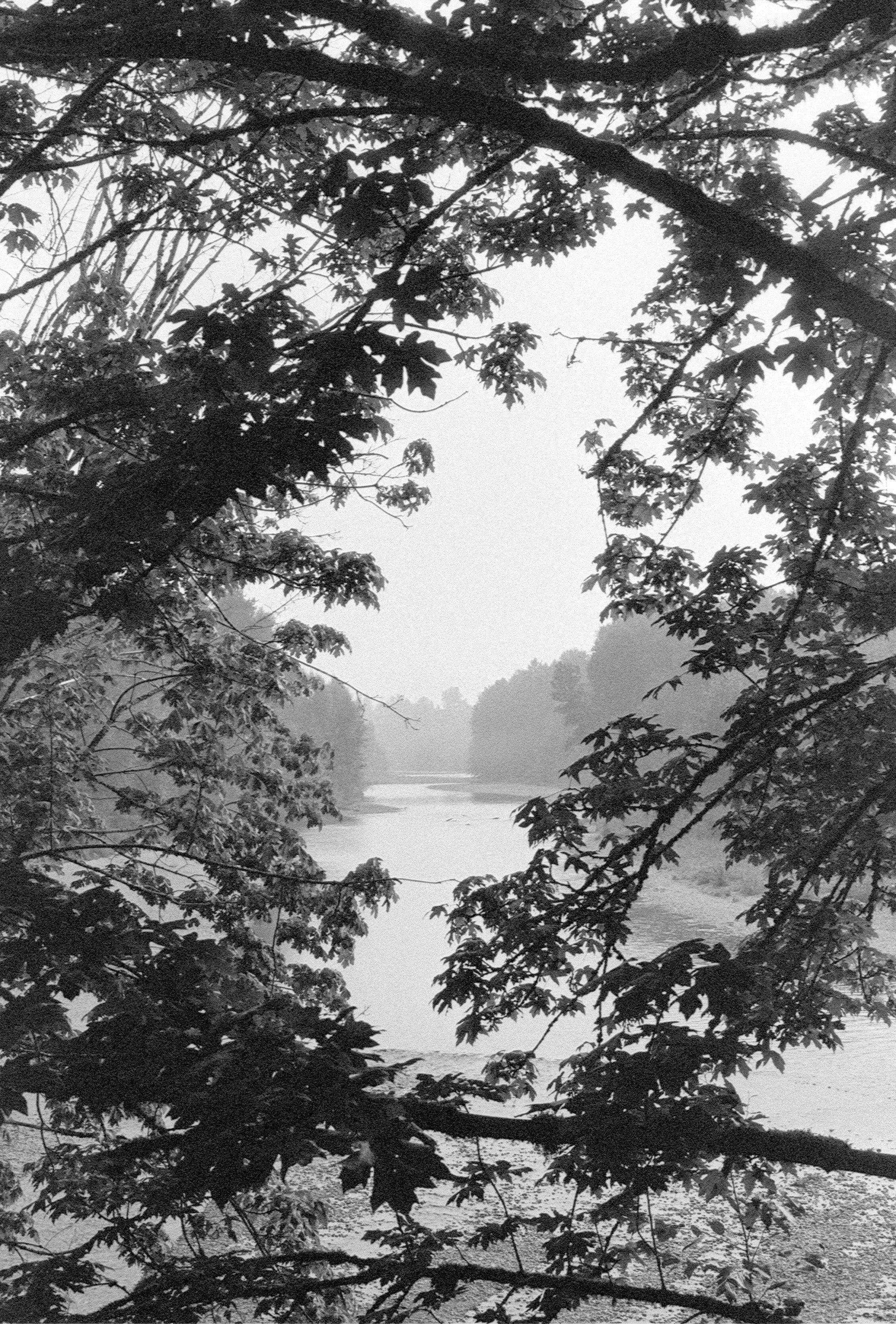
In some time in early 2017 my wife and I moved from our childhood home on the Kitsap peninsula. We landed North, in what is known as Smokey Point. Smokey Point is not even a town, it’s basically an exit with apartment complexes but it was where we could afford to live and it was centrally located for Jess’s outside sales job. I struggled moving from my tiny house in Kingston nestled up against nearly a thousand acres of forest preserve, where I would walk and make pictures almost daily. There was not much walkable greenspace around Smokey Point, and there’s probably even less now. But it wasn’t long before I found a small section of forested trail that meandered along the course of the Stillaguamish river.
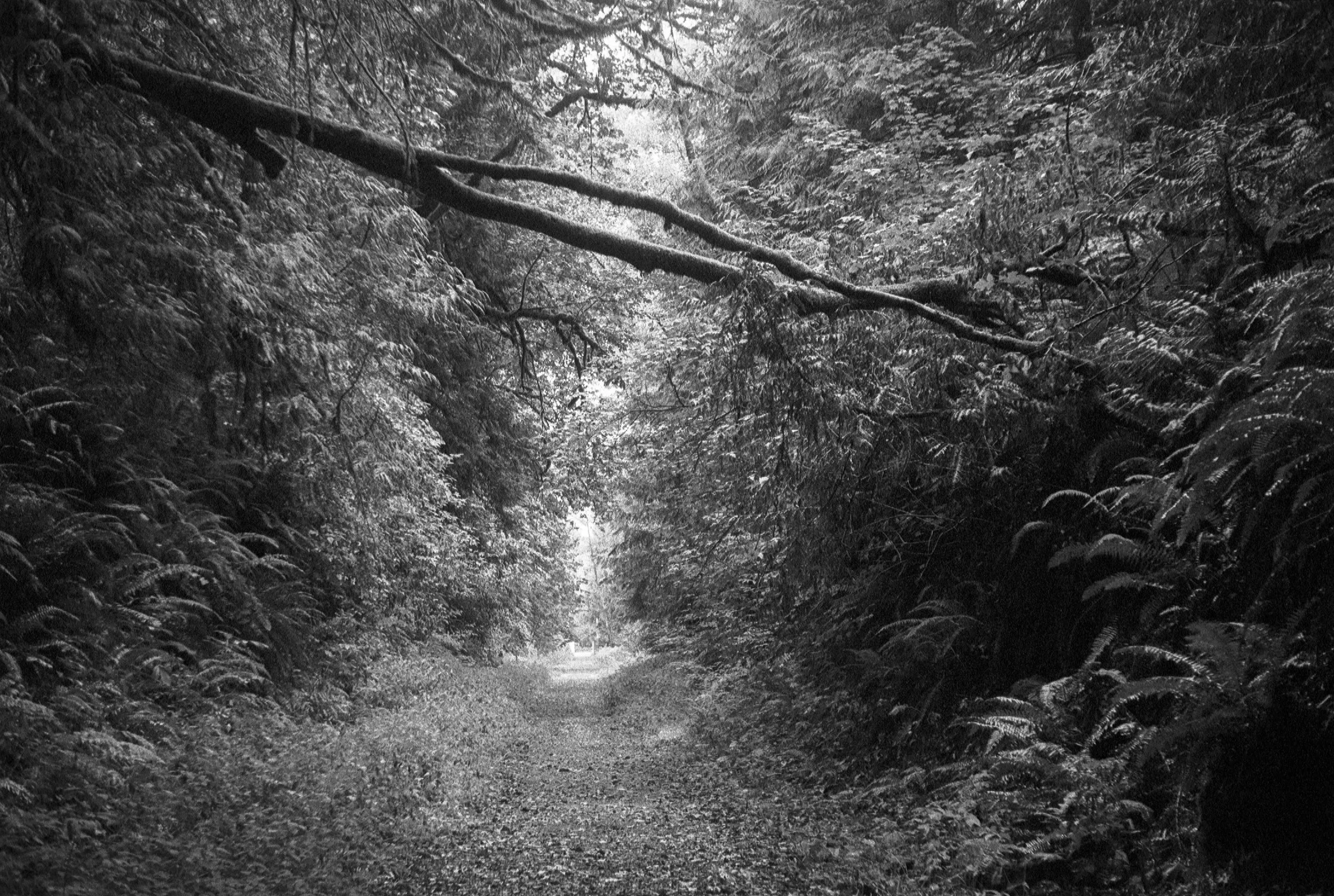
The trail was the beginning stages of what would later become “The Whitehorse Trail,” a rails-to-trails project that would eventually span the entire 20-something mile stretch from Arlington to Whitehorse, WA. But at the time it was a slightly improved dirt trail, and I remember secretly hoping that I wouldn’t ever see them complete it. It felt like paving over the old railbed would somehow ruin it. I don’t know if they ever paved all of it, but I do know that now it is one continuous trail from Arlington to Whitehorse. But this place became an oasis for me. The section I walked over and over was only about 3 miles, or 6 miles out and back. But it was a place of solace, of communion, and I revisited it time and time again, making photographs of the beauty that I found in it.
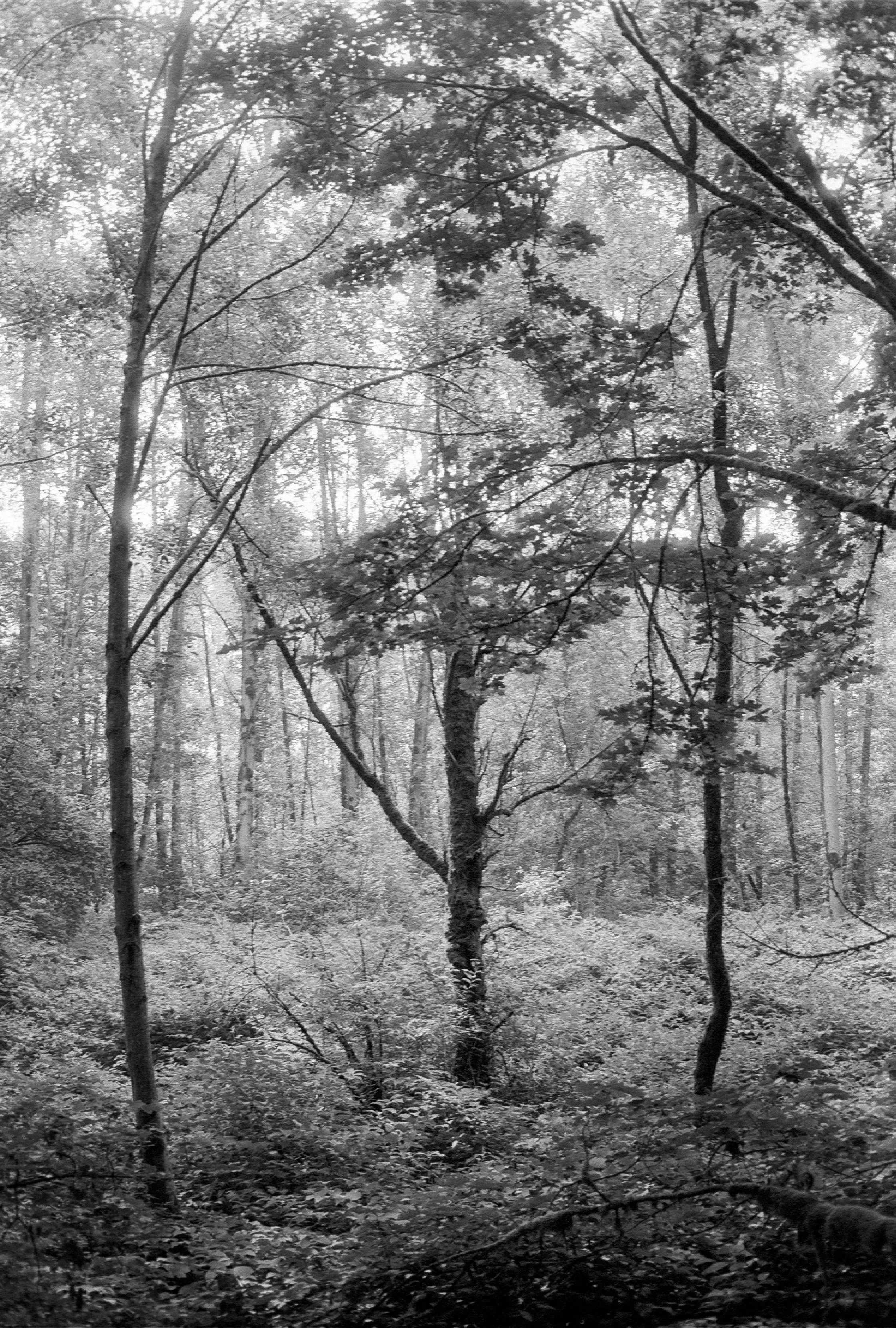
If my Lightroom catalog is to be believed I spent almost a year, mostly walking and photographing those same 3 miles but also sometimes driving, following the meandering Northern fork and finding other little places to stop and enjoy the beauty of the river and its surrounding landscape. I eventually moved on, apparently deciding that I had photographed it enough. But even after moving on to focus on other places or projects the river still shows up every now and then in the chronology of my catalog. I’d be curious to revisit it someday, see what has changed, see what’s the same. And maybe to thank the river for the things it offered to me when I needed it.
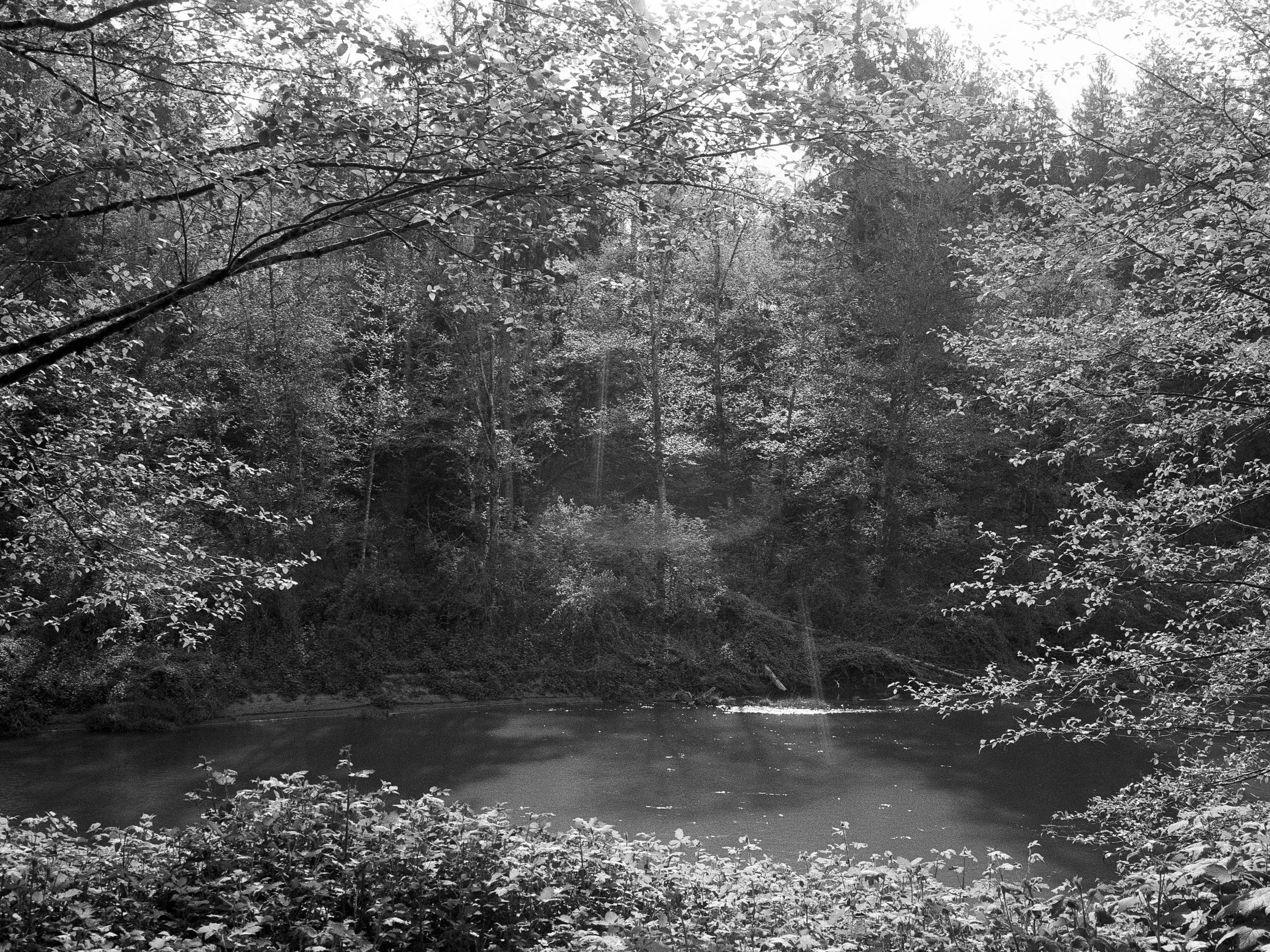
There is a small gallery on the website now of a sampling of photos from this place. You can find it here if you wish to look further.
On symbolic ambiguity and doing it anyways, or something...
On making photos you don’t understand
Leica M262 + Zeiss 50/2
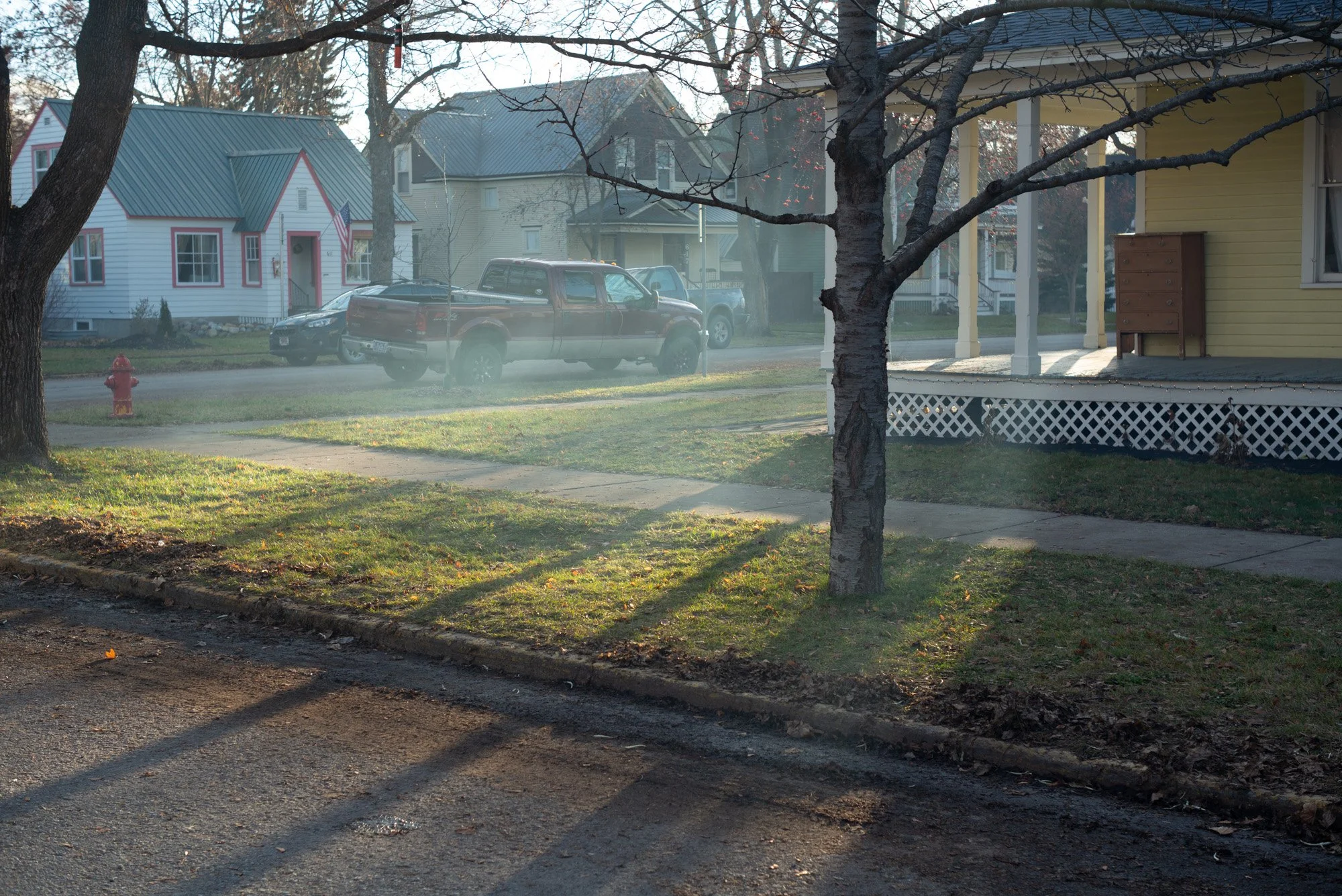
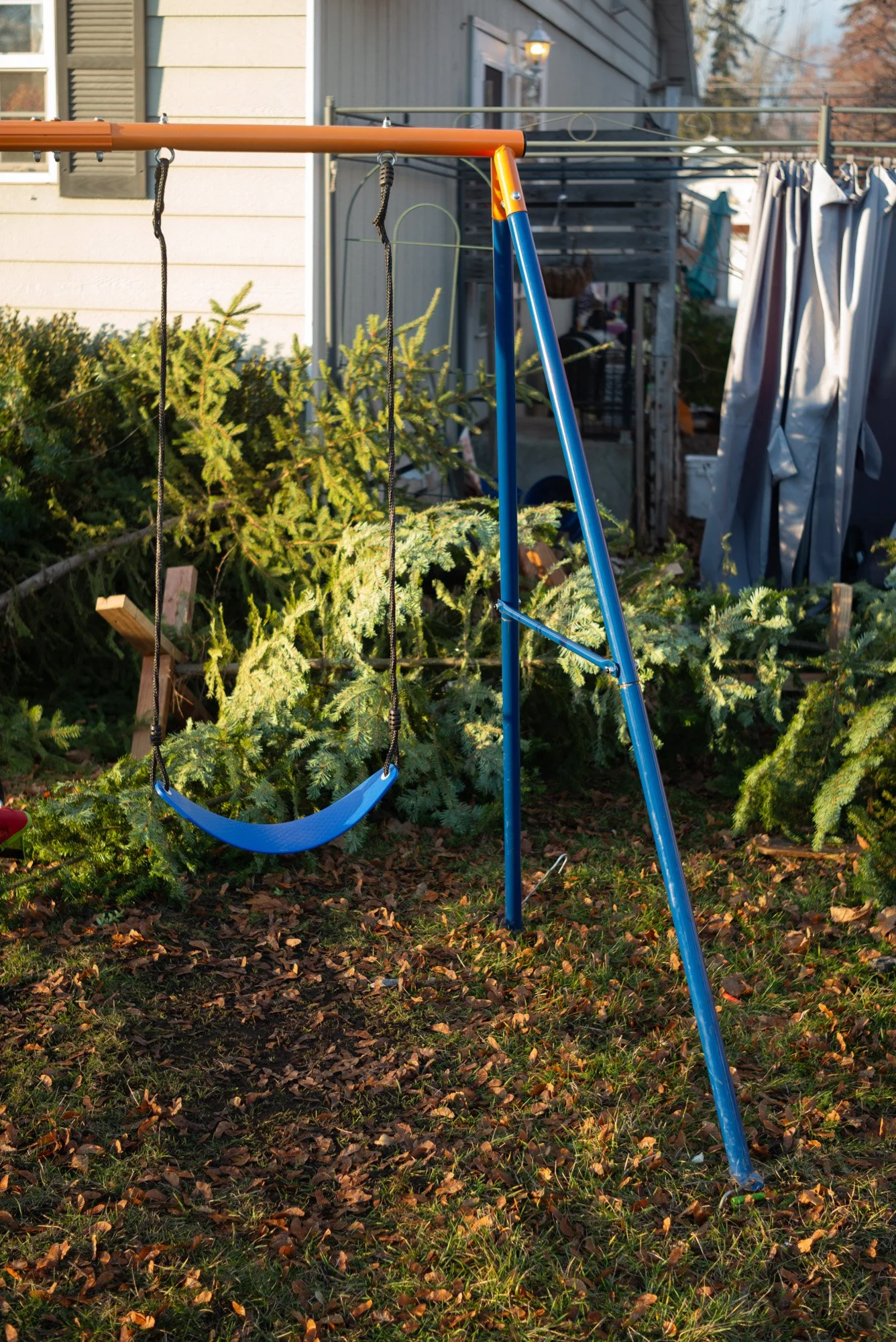
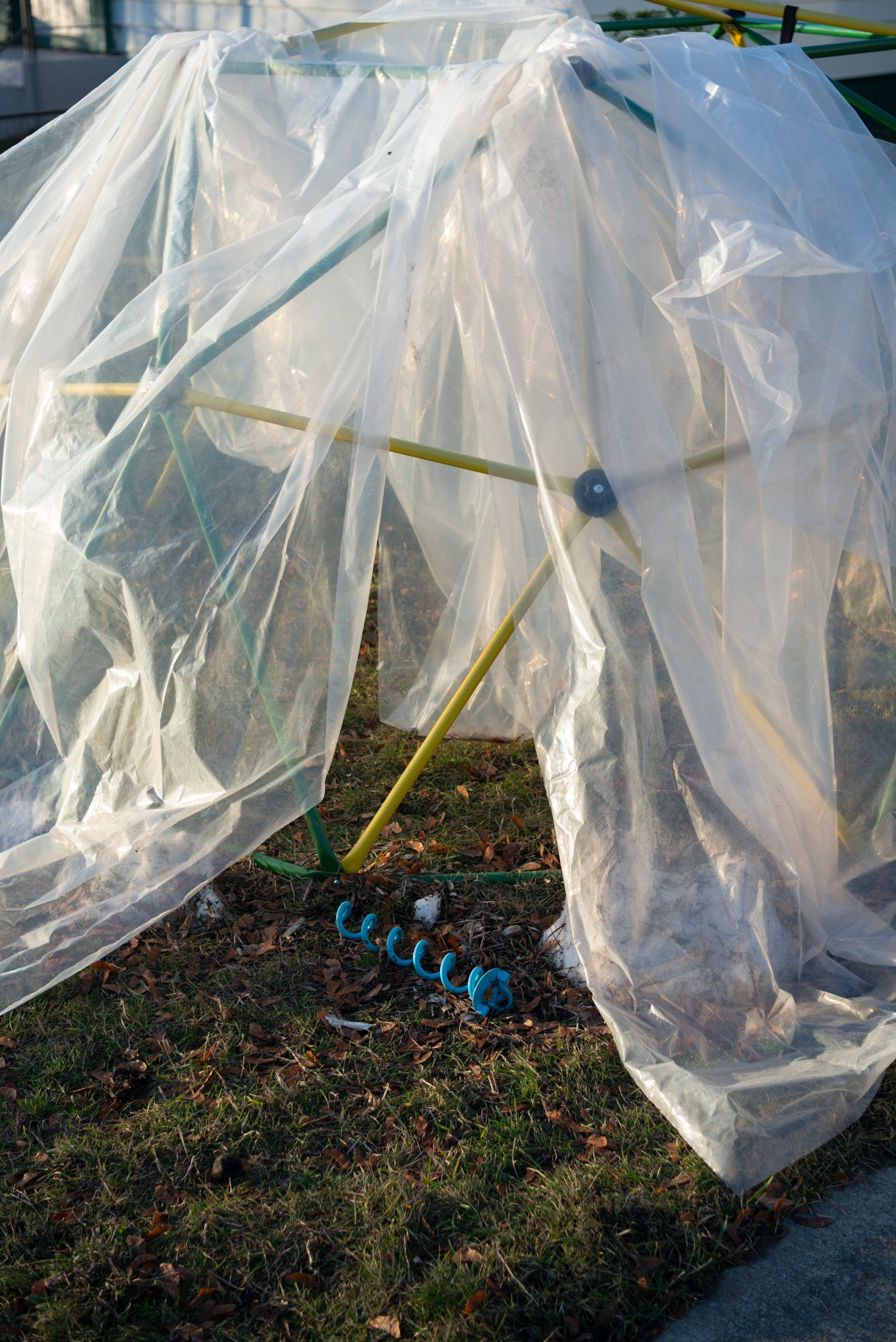
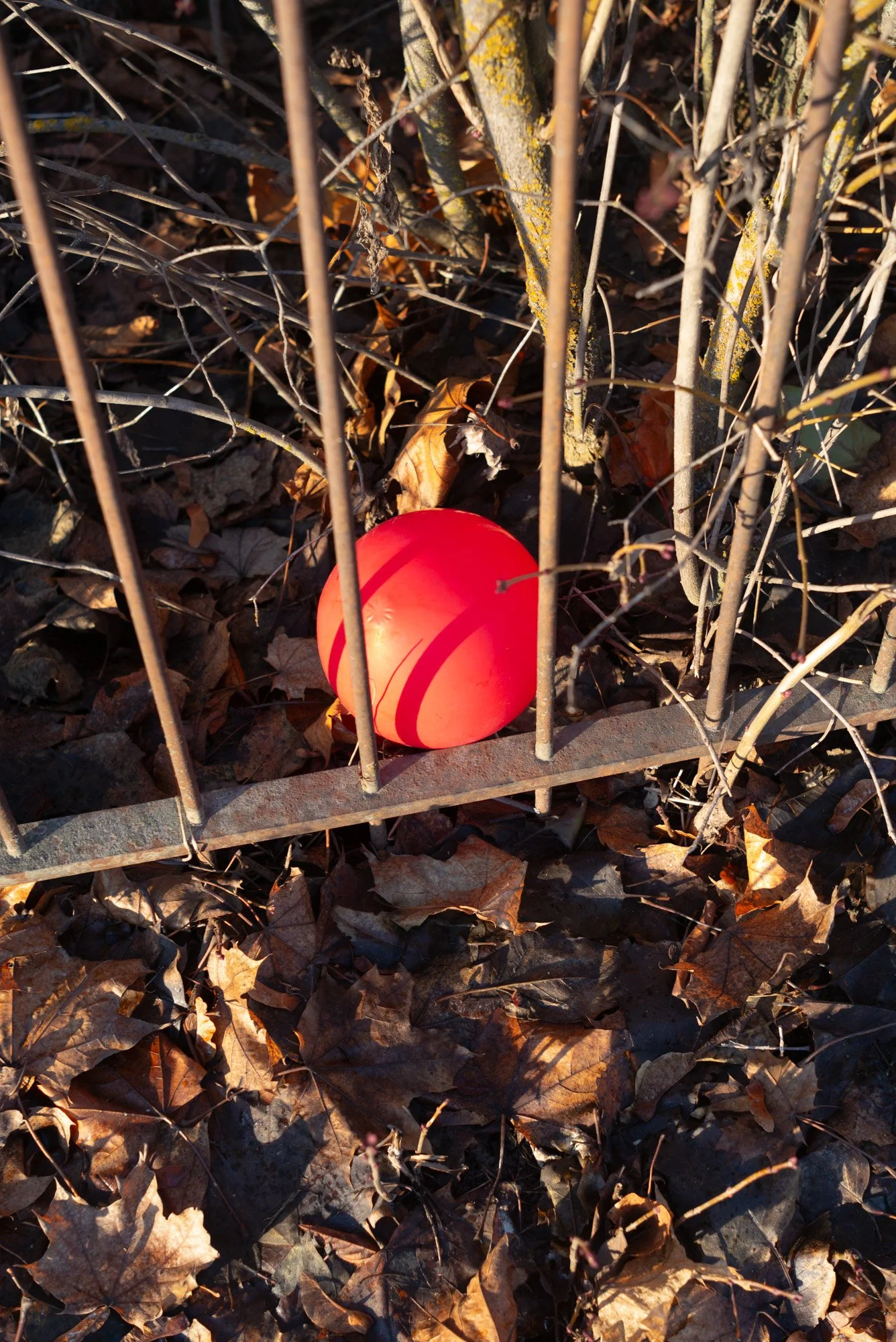
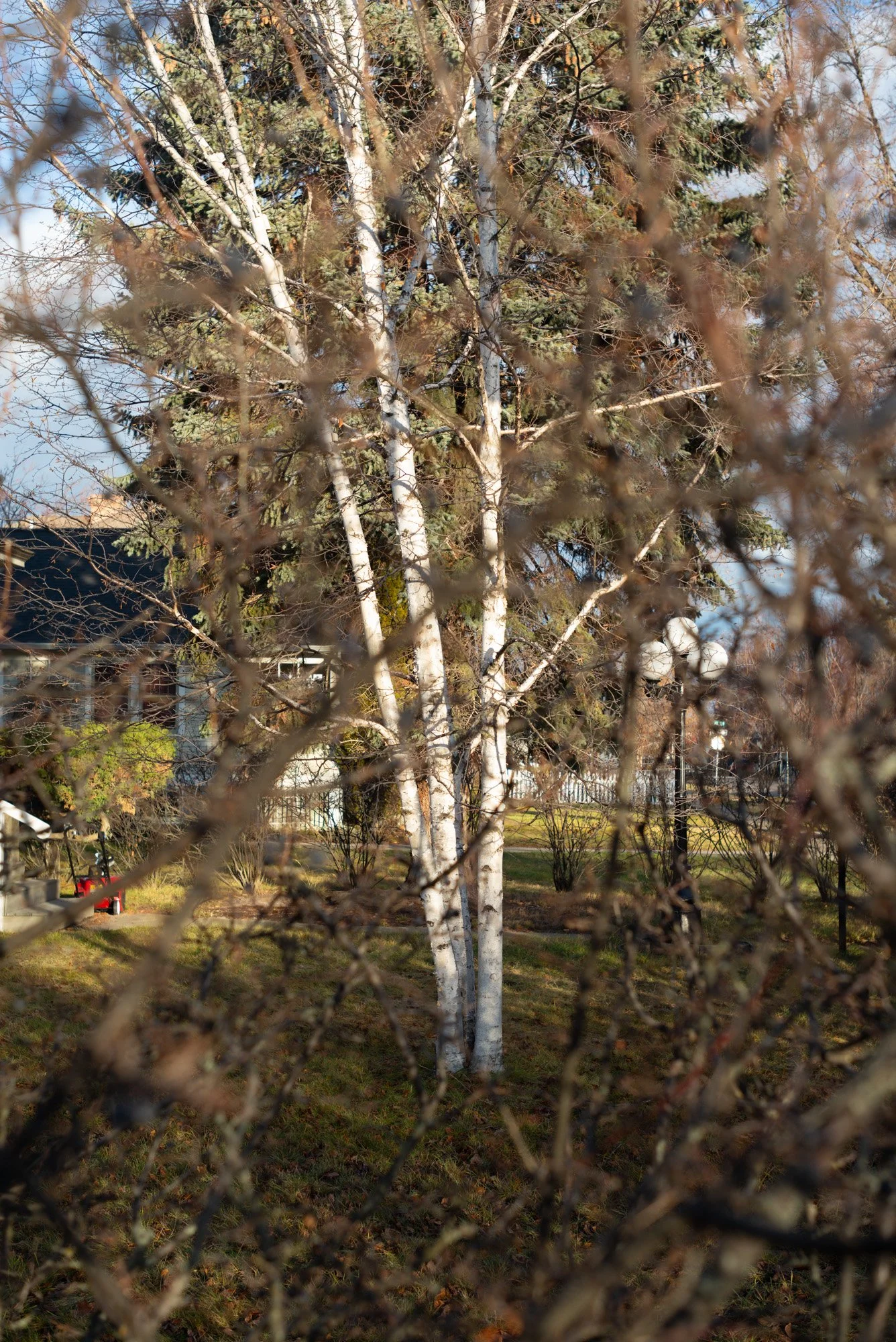
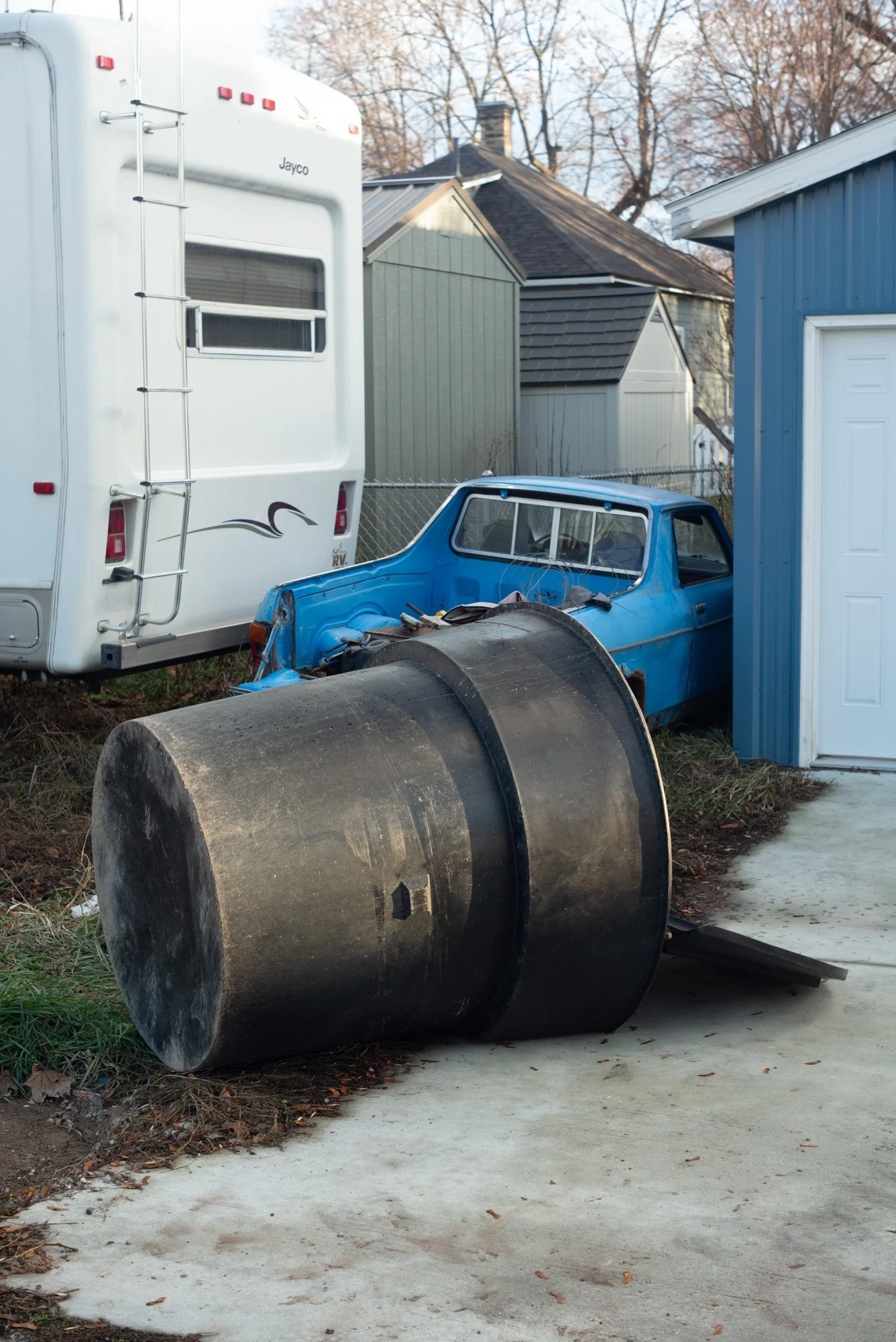
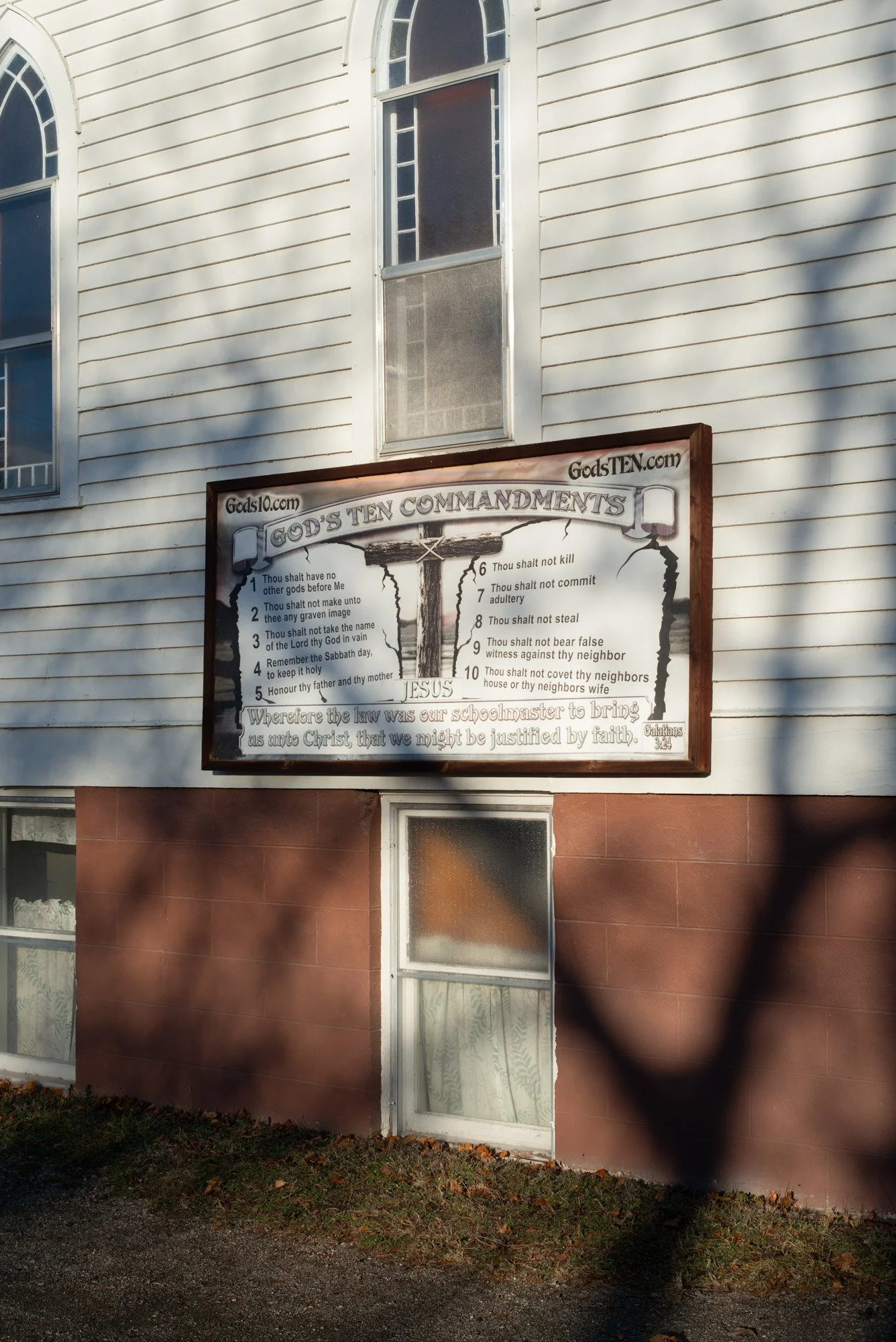
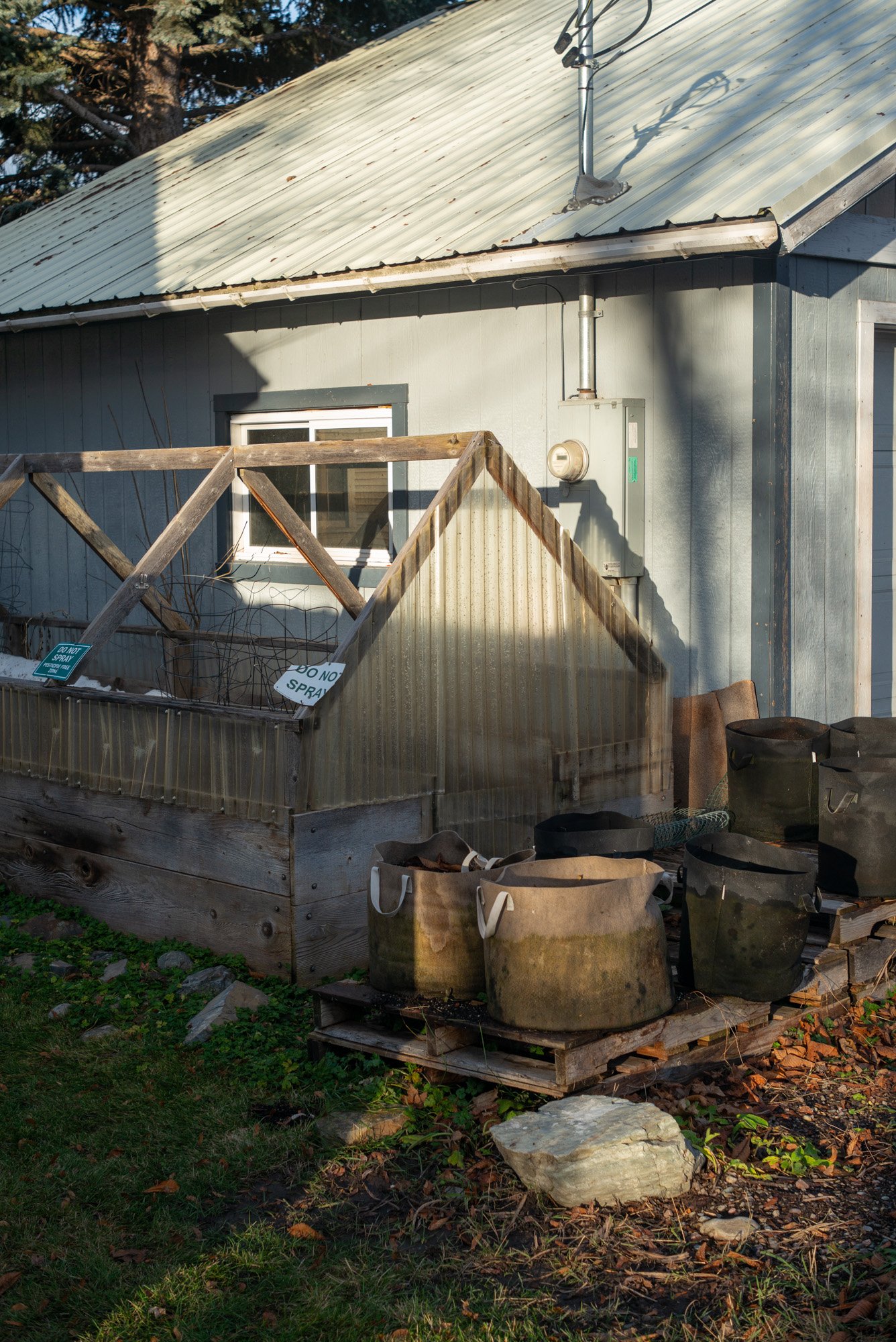
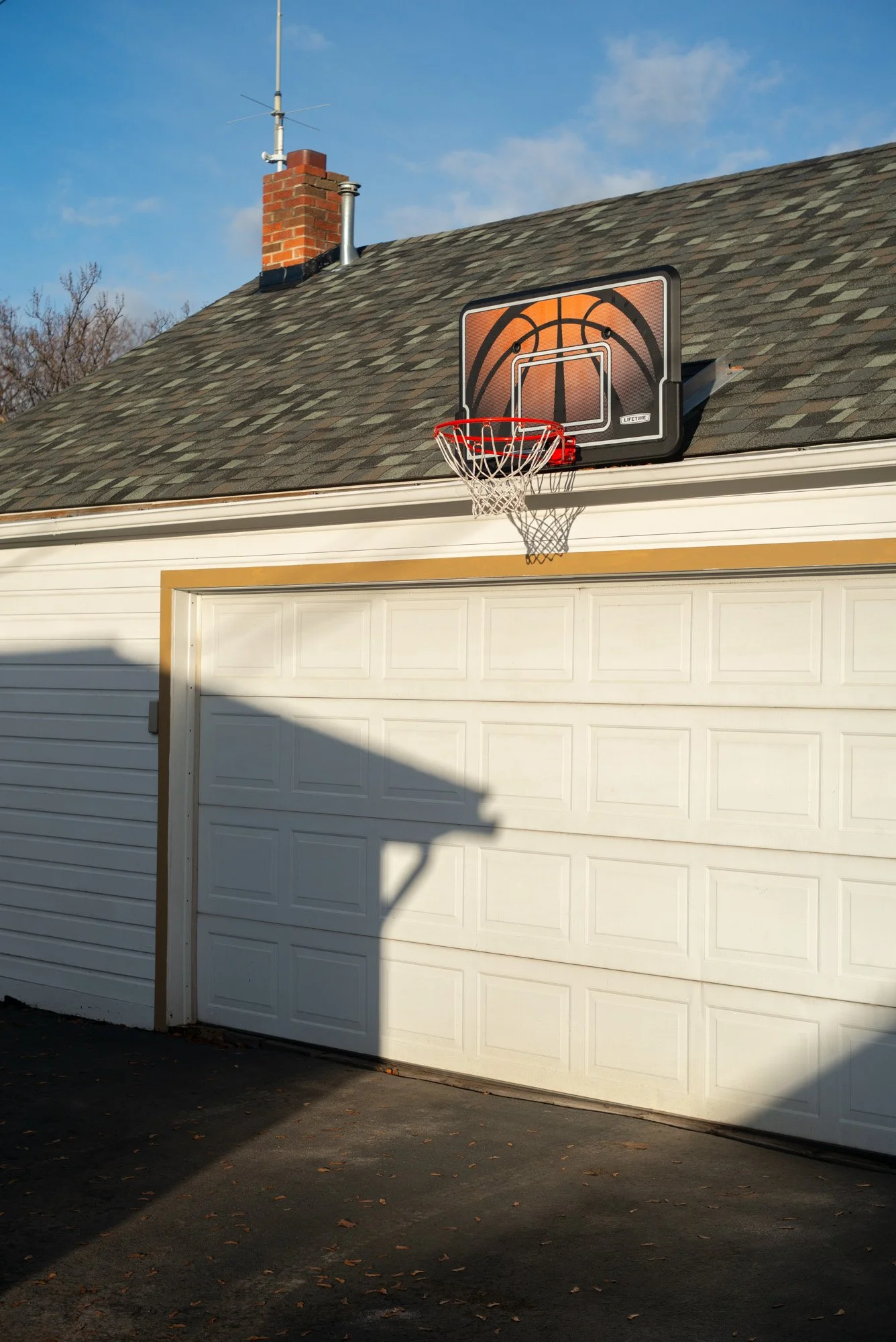
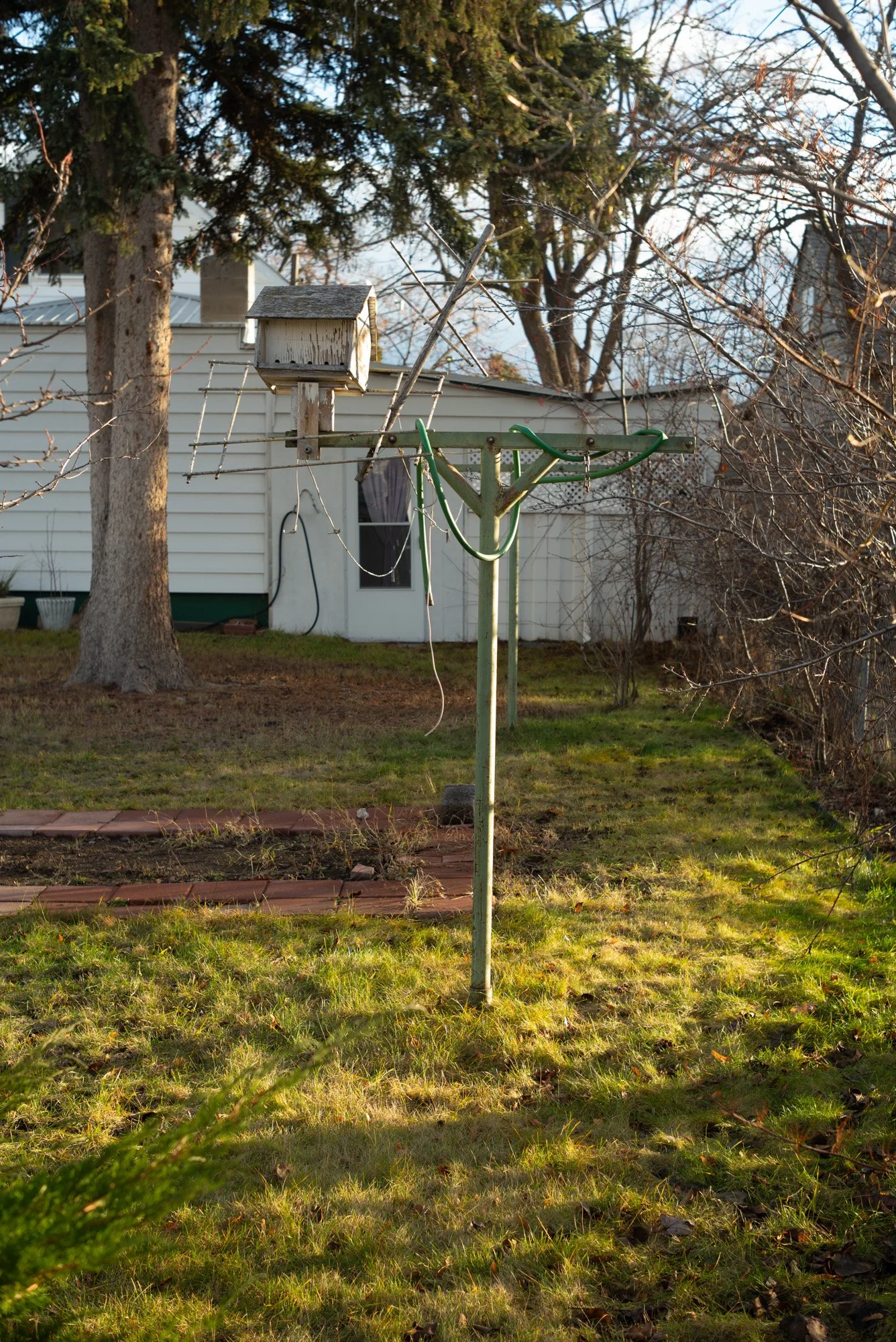
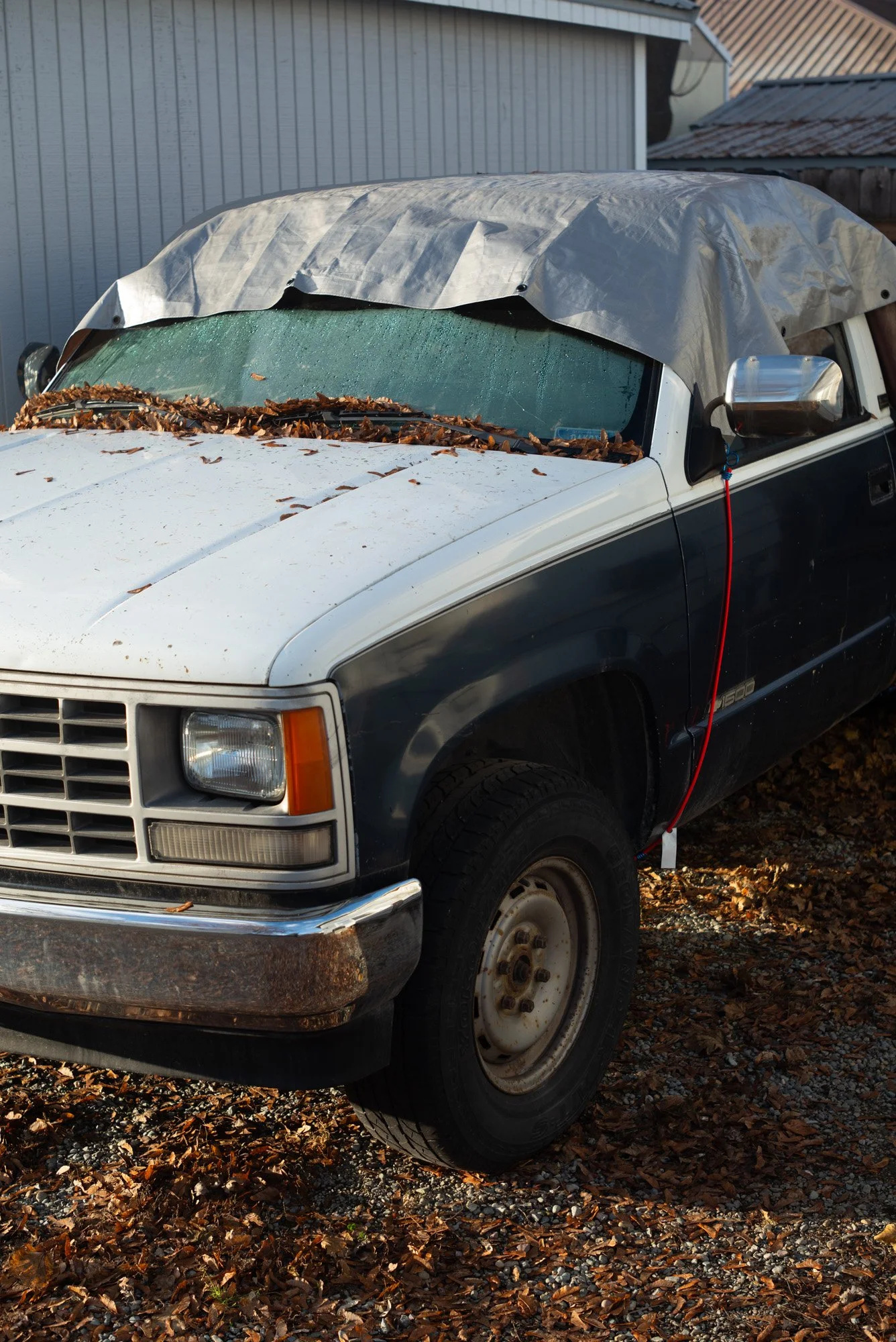
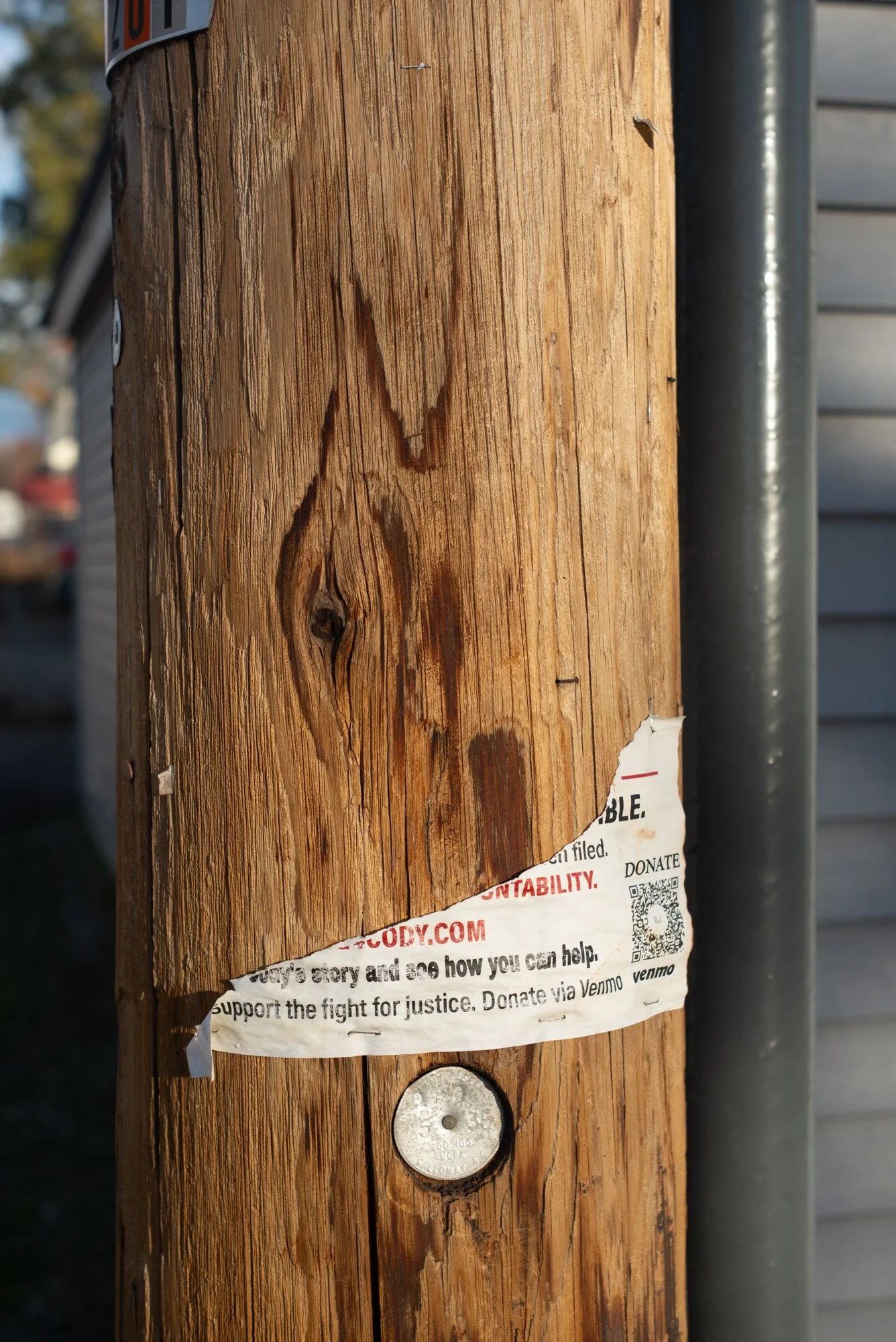
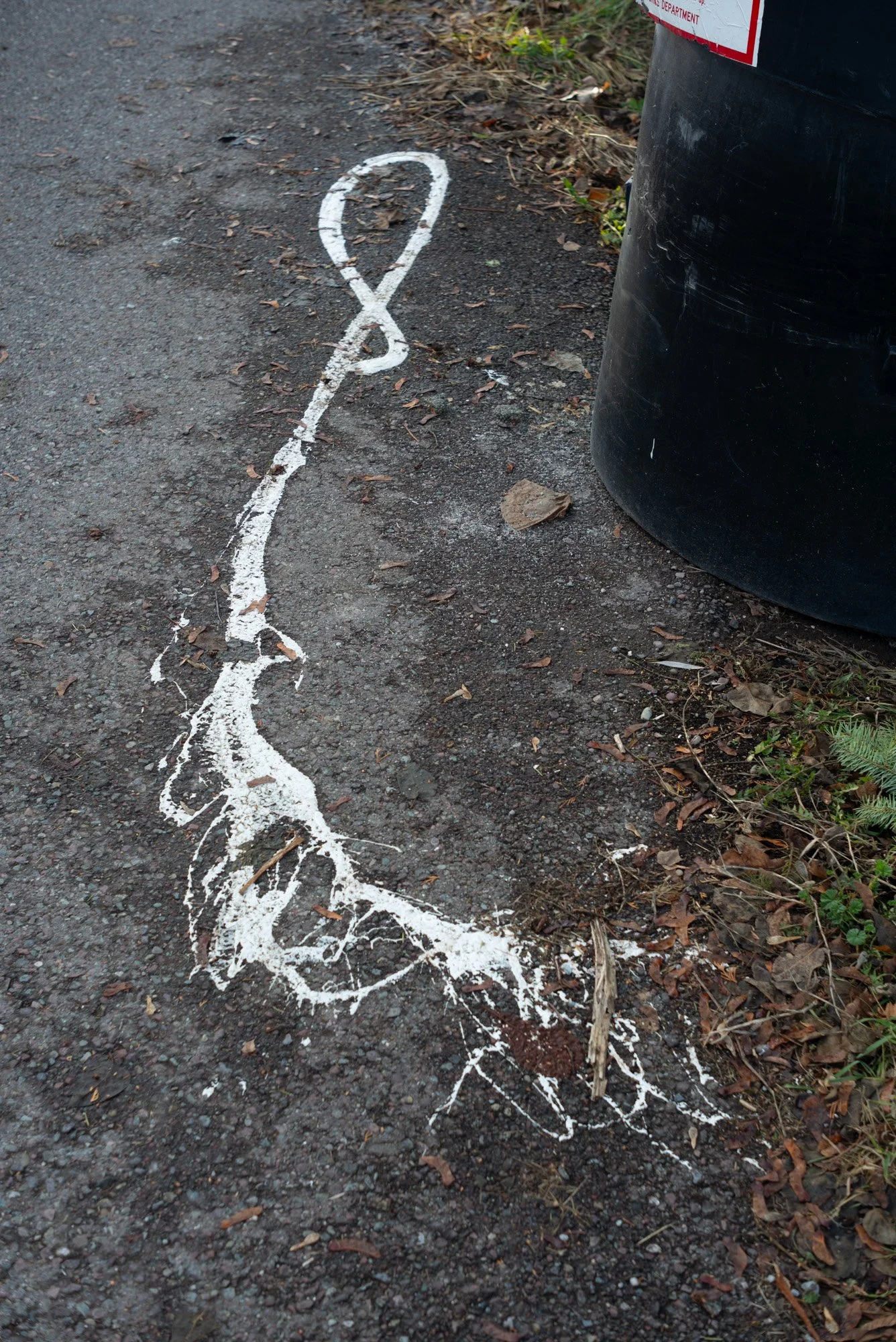
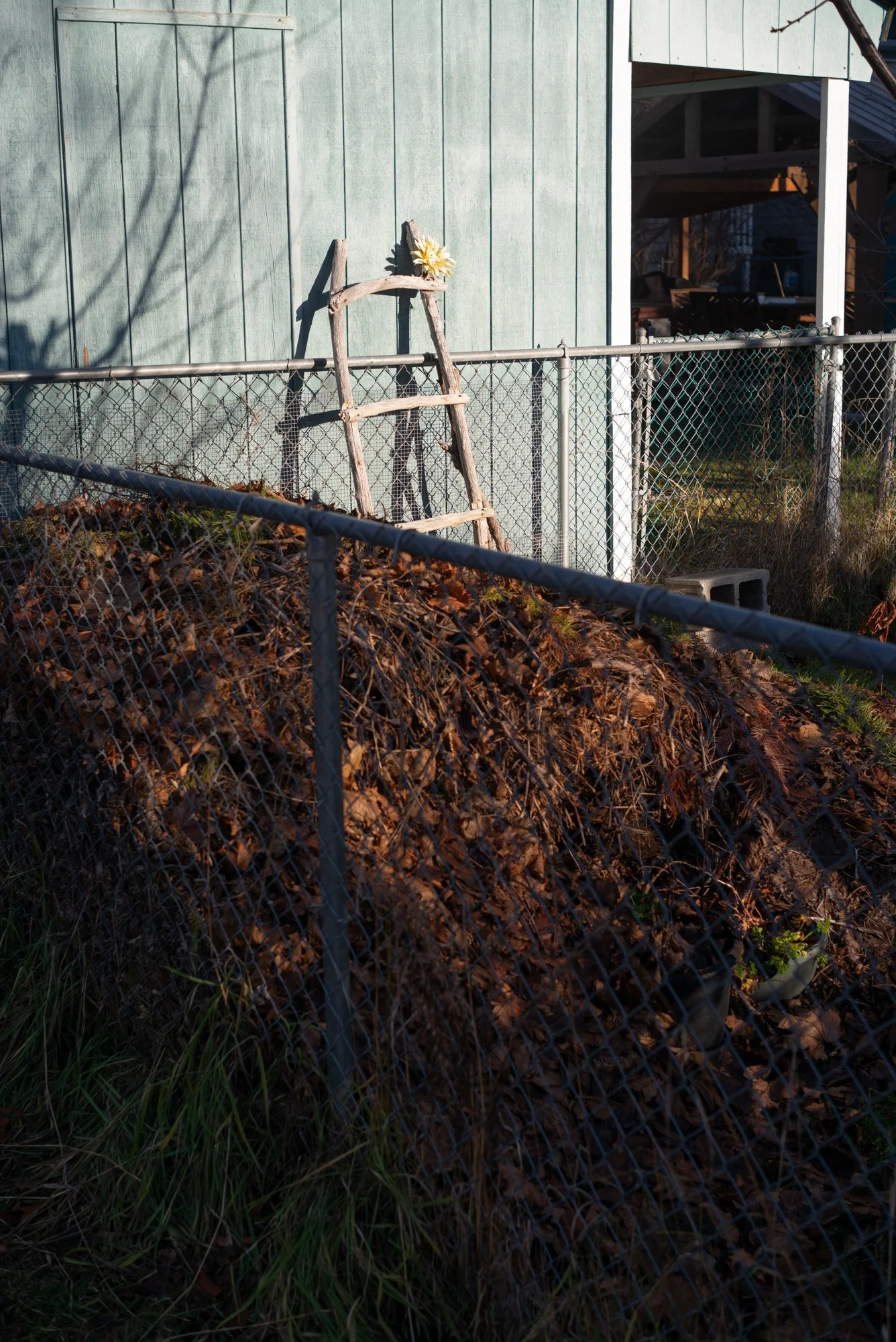
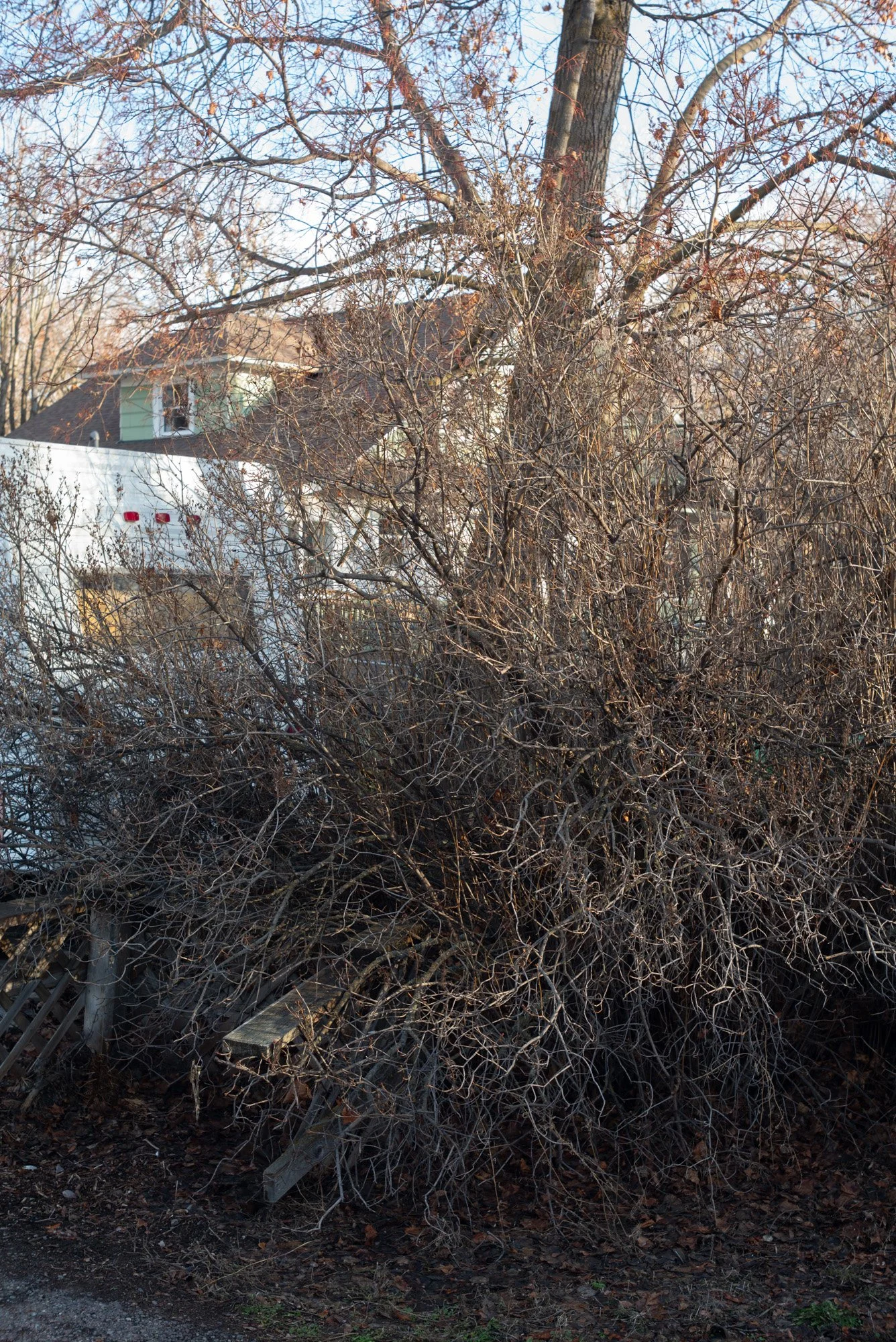
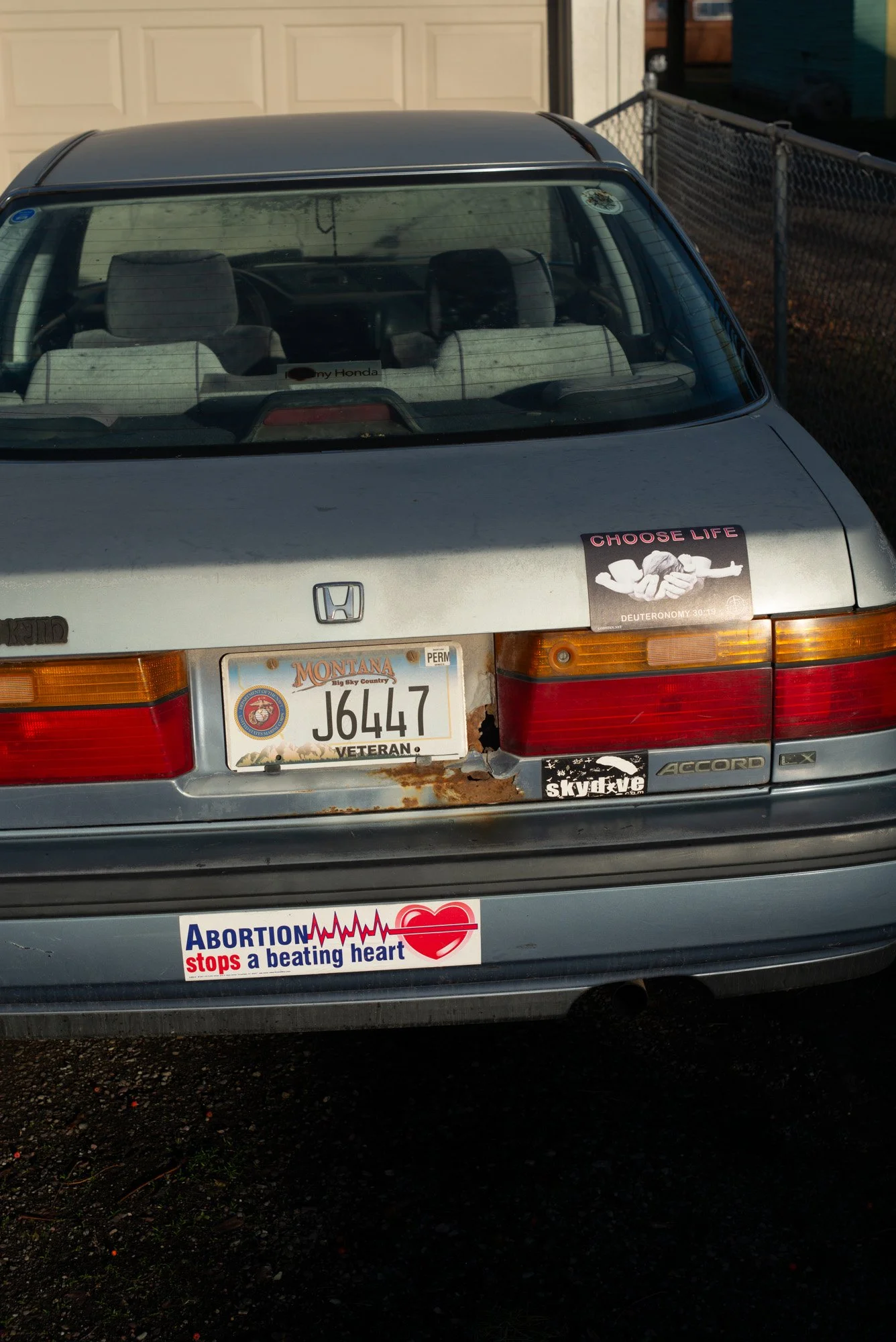
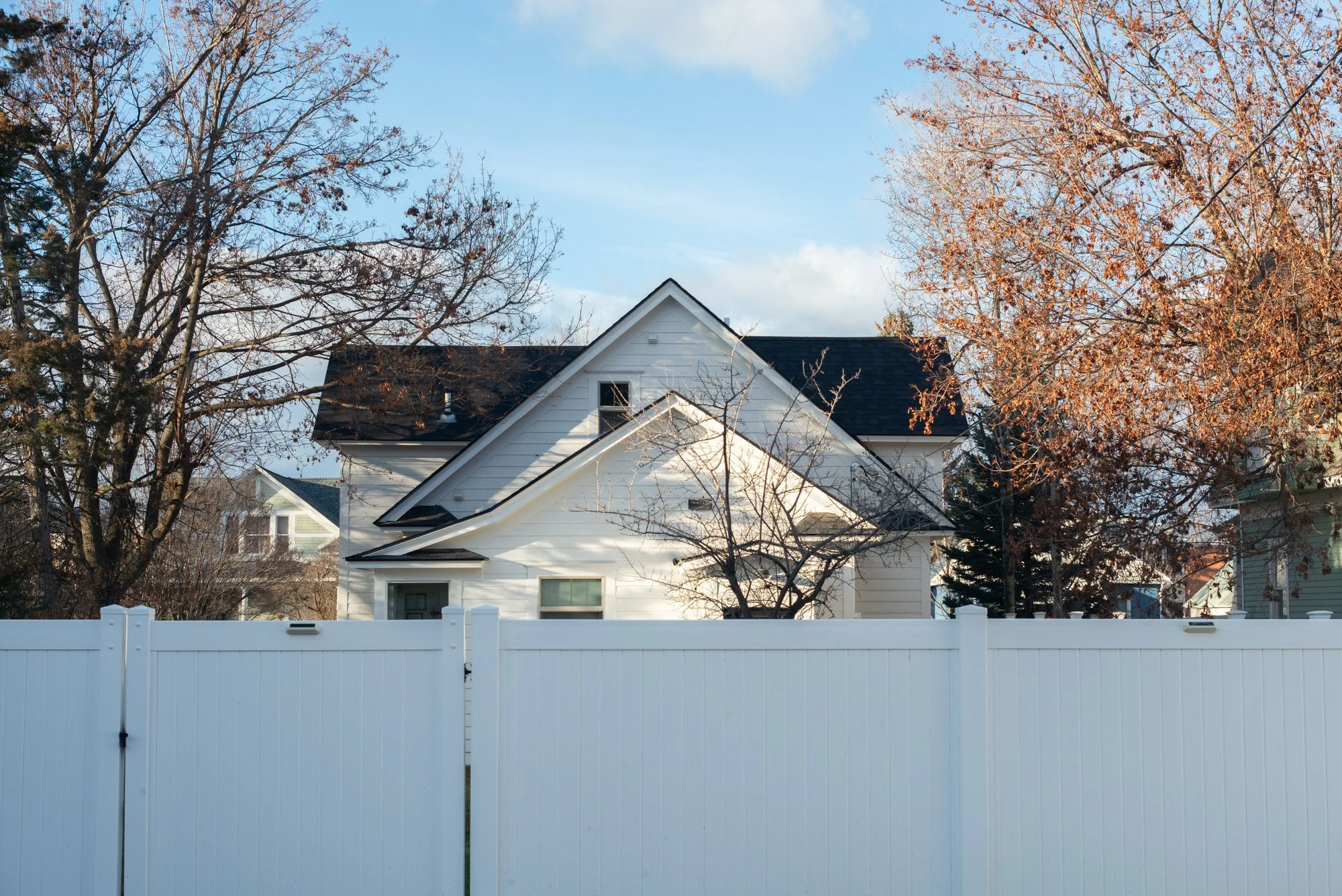
I was going over photographs from a walk the other day when I came to a strange realization. I was looking at photographs I had made, even with approval, but was haunted by the realization that I didn’t understand what they were about. Sometimes photos are obvious. The photograph of a beautiful landscape is very clearly a reverential witness to the beauty of things. But I was looking at photos that were, for lack of a better term, simply ambiguous with regard to symbolism or meaning. But they were nevertheless moving in some mysterious way that I didn’t and still do not understand. I struggle with this, mightily.
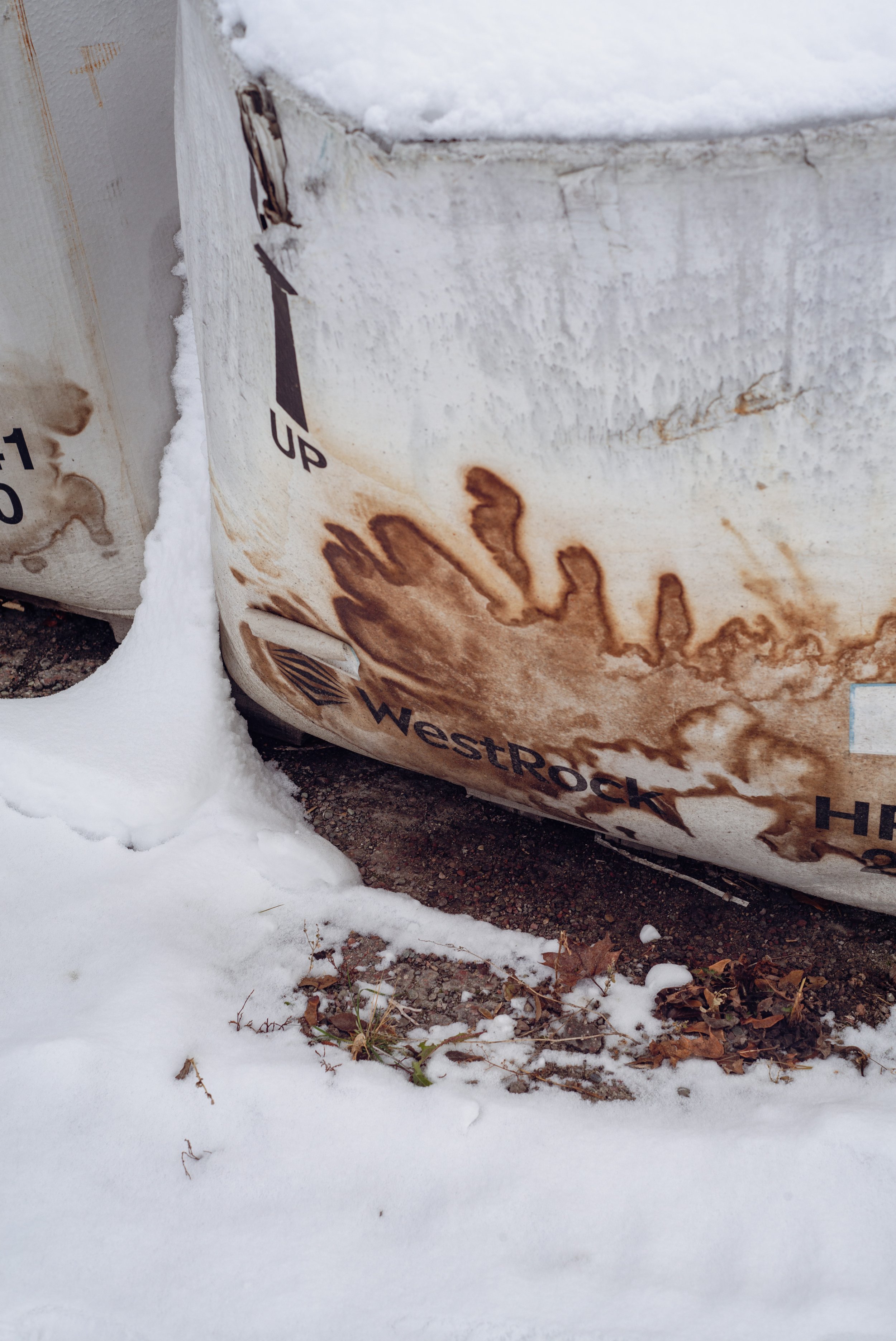
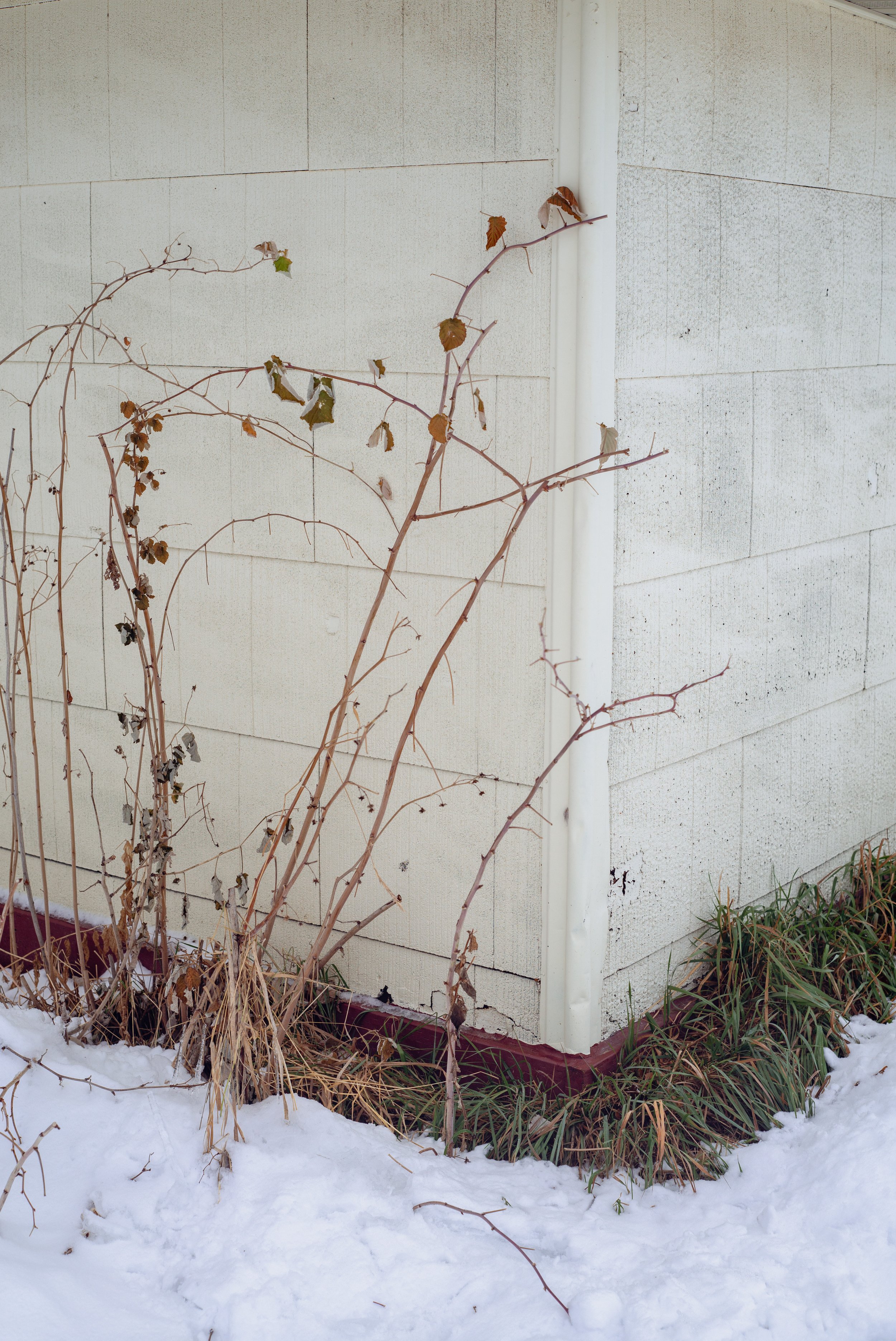
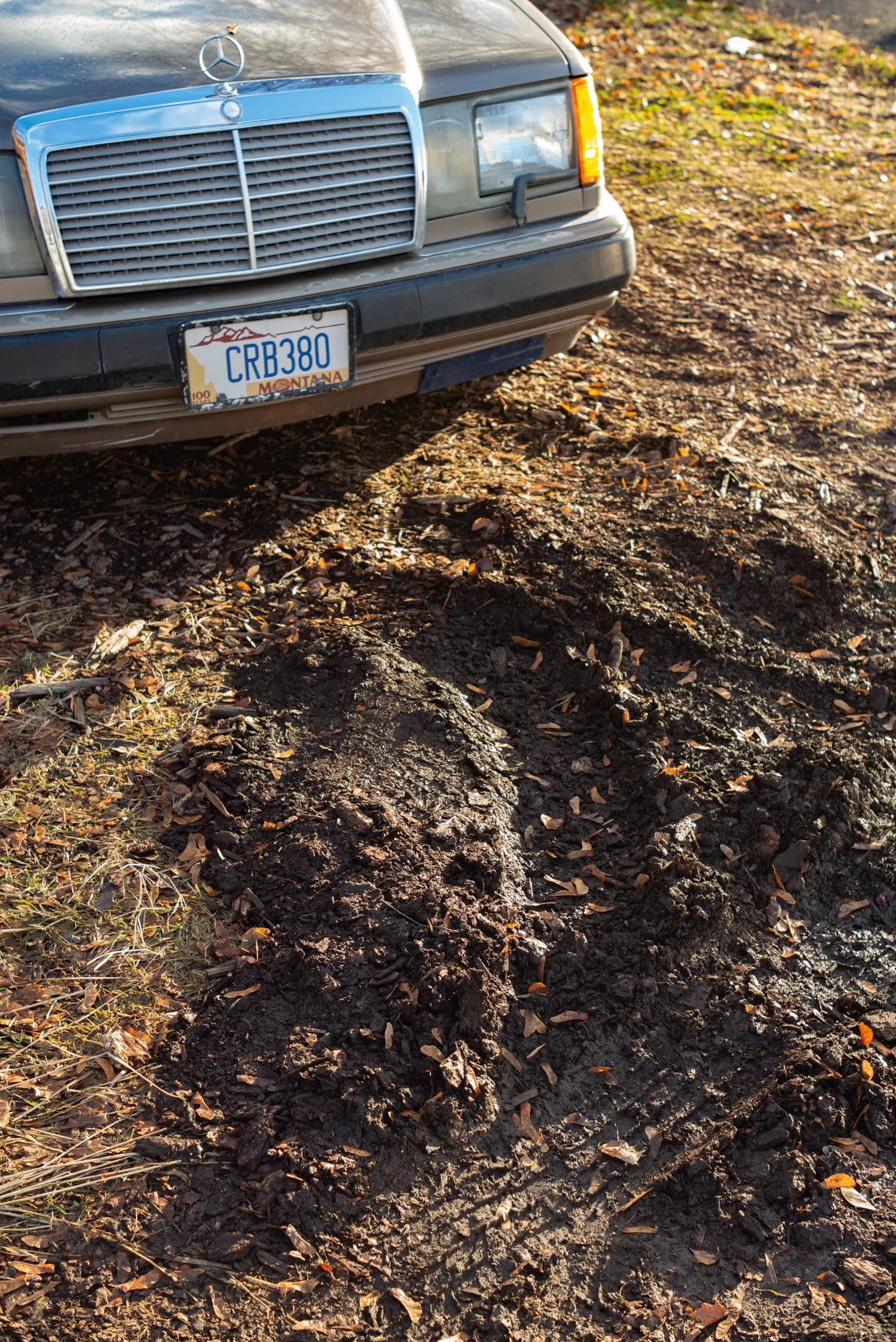
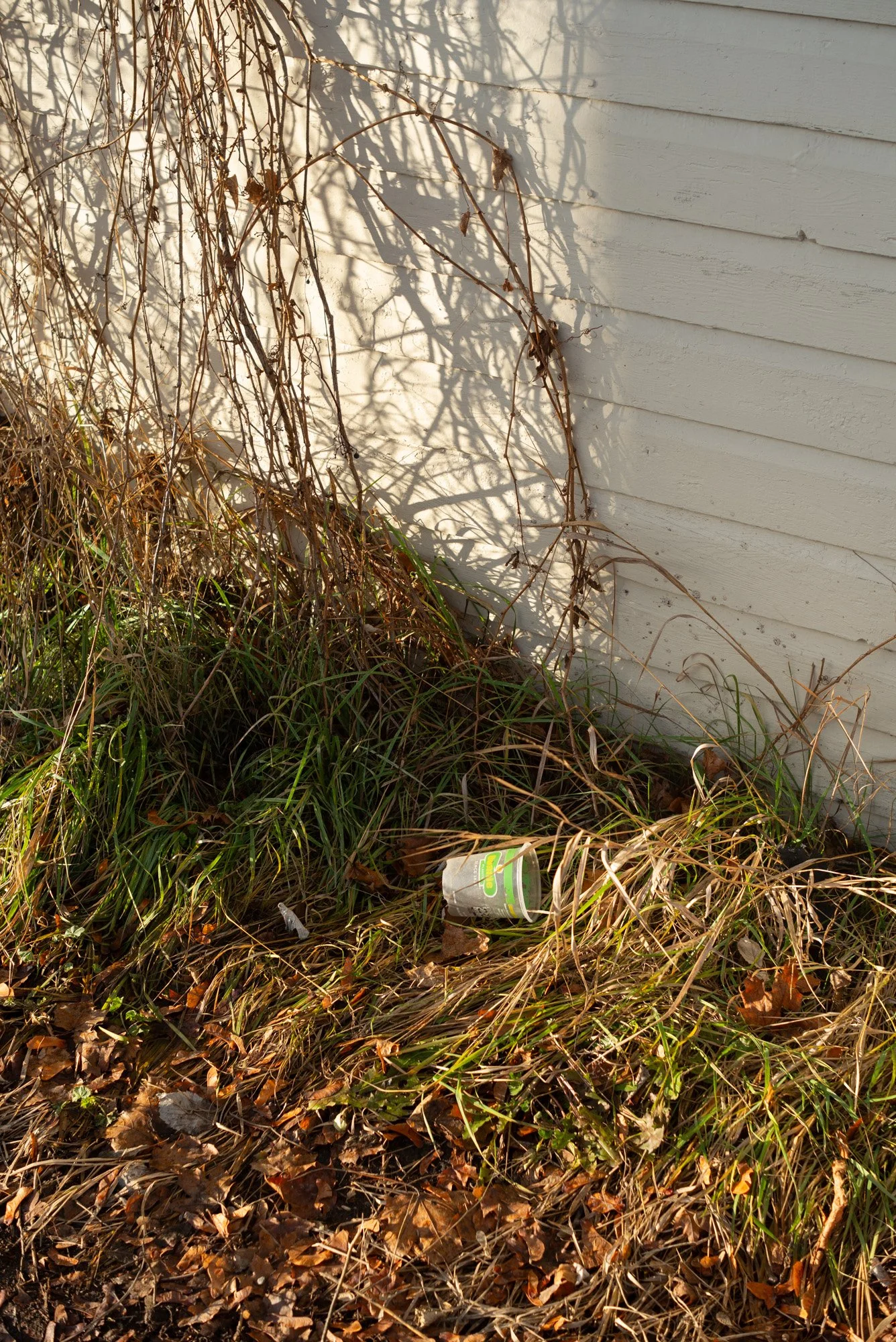
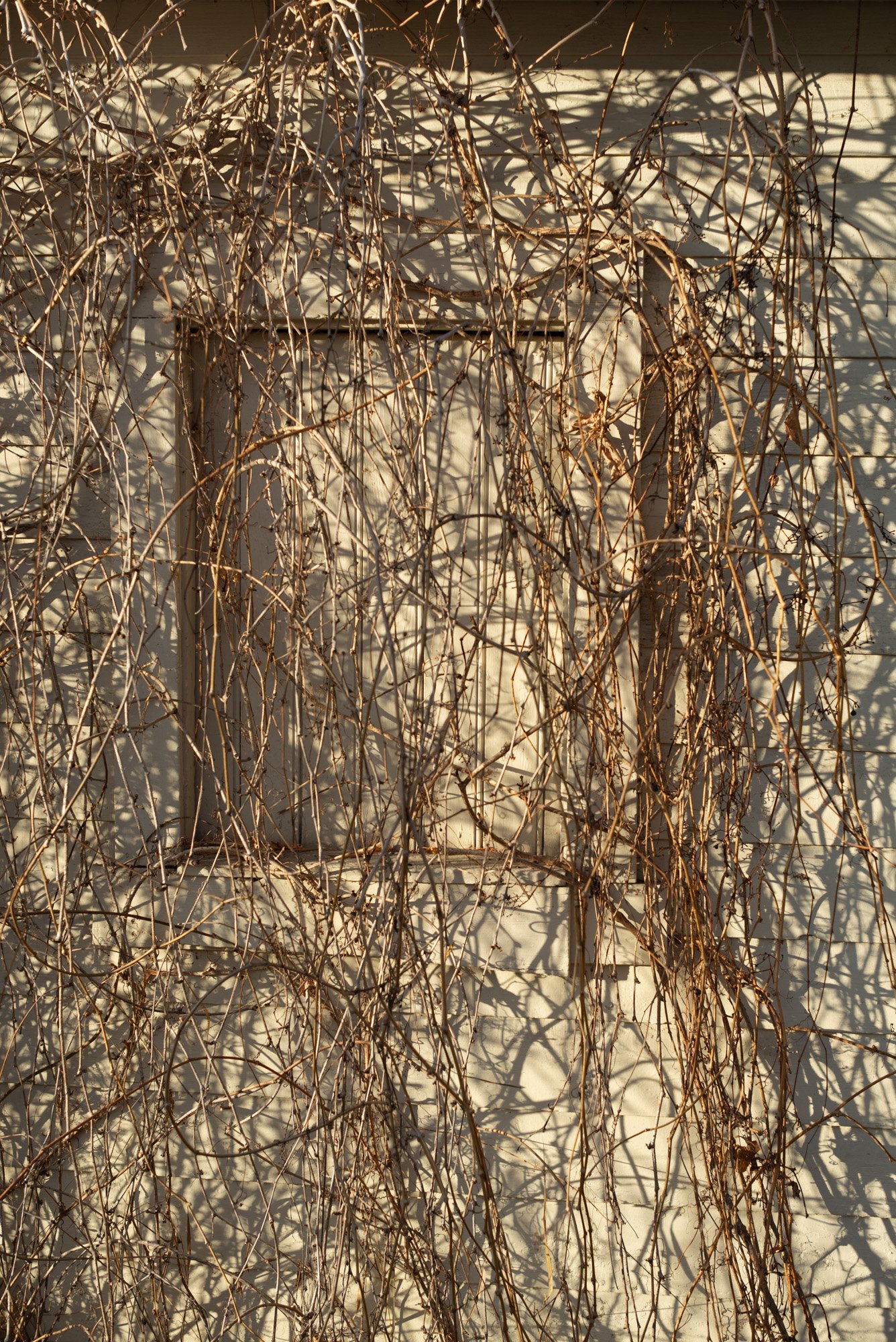
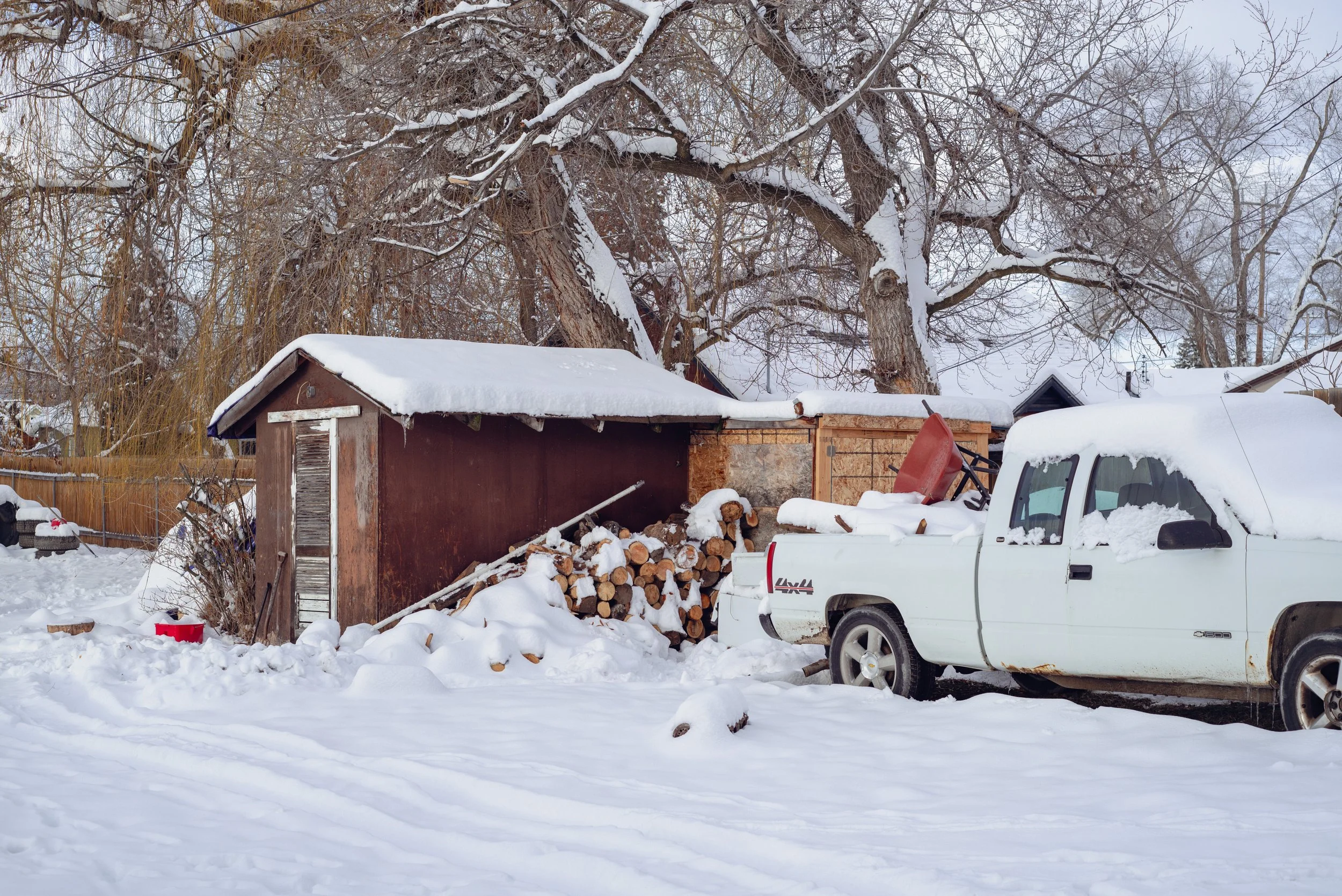
A stained cardboard box in the snow, or tattered vegetal remnants against a concrete wall are less obviously beautiful, if they are even about beauty at all. I have been trying to take the advice of a friend of mine when they told me to just shoot anything. If it catches my eye, causes me to stop and linger for a second look, I make a photograph of it. It has been a liberating process and has opened up pathways that I would have never previously explored.
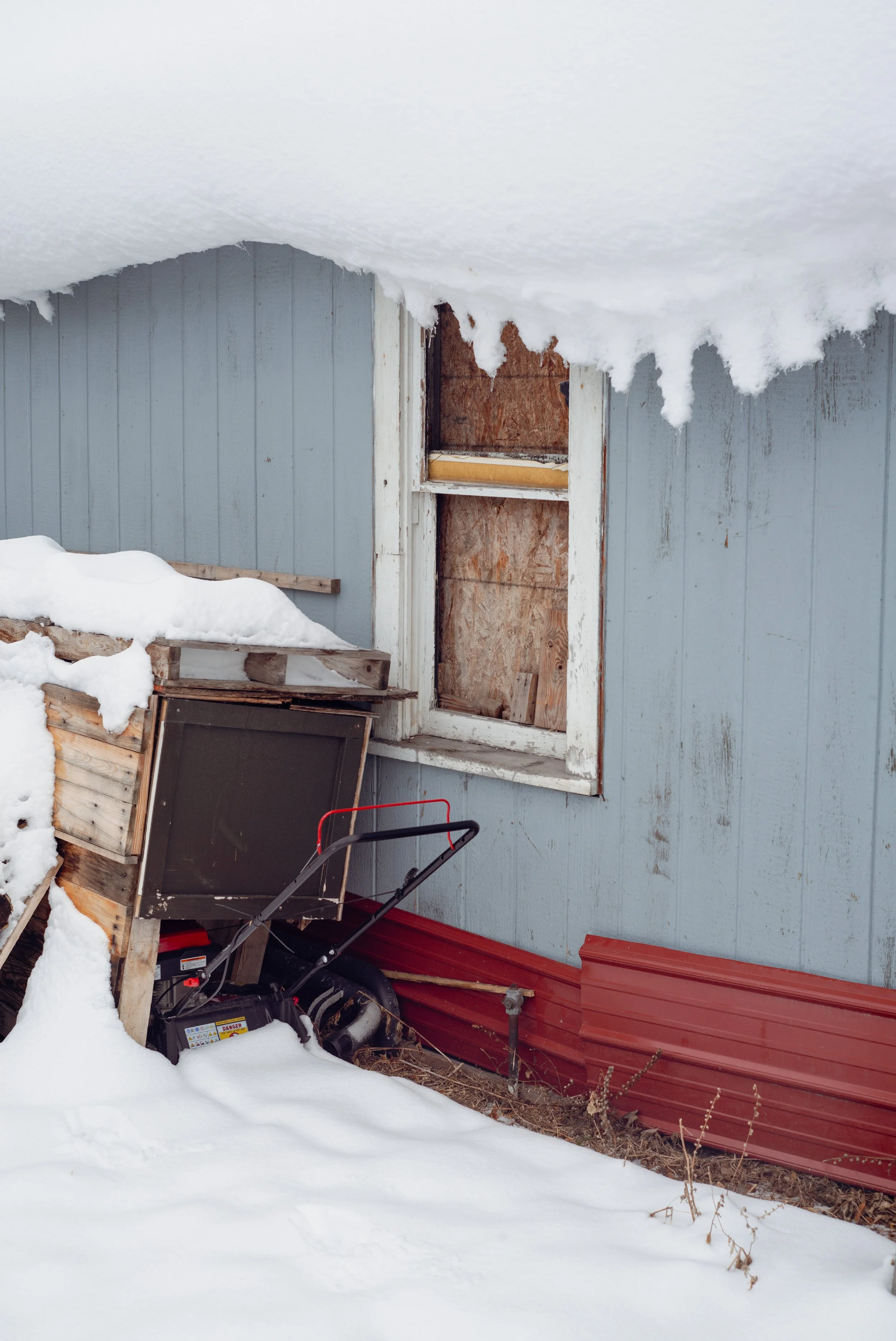
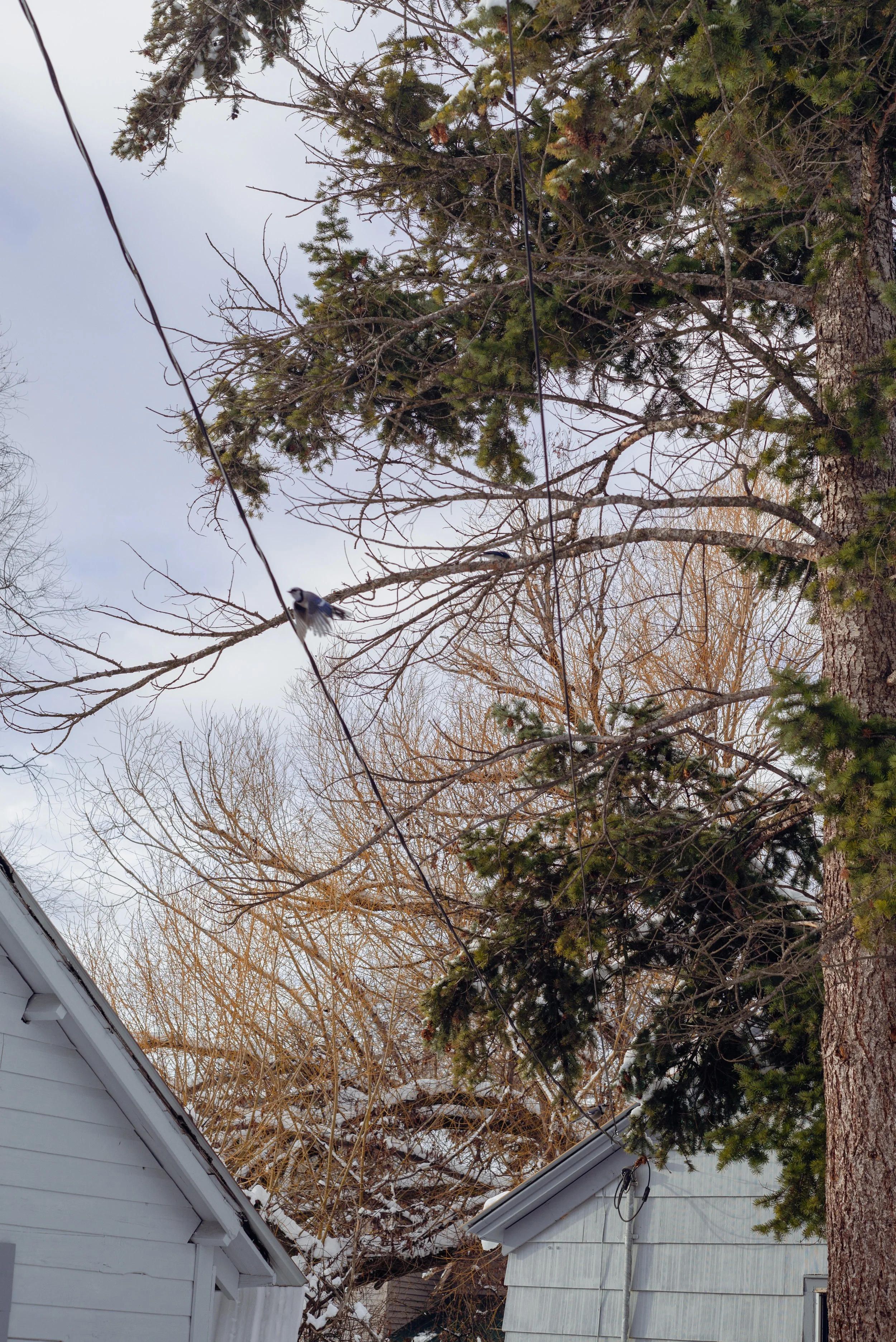
In the past I have always struggled with a need to situate my “artistic” output within the architectonics of my broader worldview. Making landscape photographs couldn’t be about simply making photos of the landscape, it had to be connected to a broader critique of the broken relationship with the land in modernity and a practice of re-enchanting our experience of the land, the reintroduction of the sacred in to our experience of the earth. In this context the photographs had a clear meaning and intention. Even until relatively recently I would say that the photographs I was making still fit in to a broader worldview. From my perspective at least they have had a clear function and place within a holistic philosophical/existential framework.
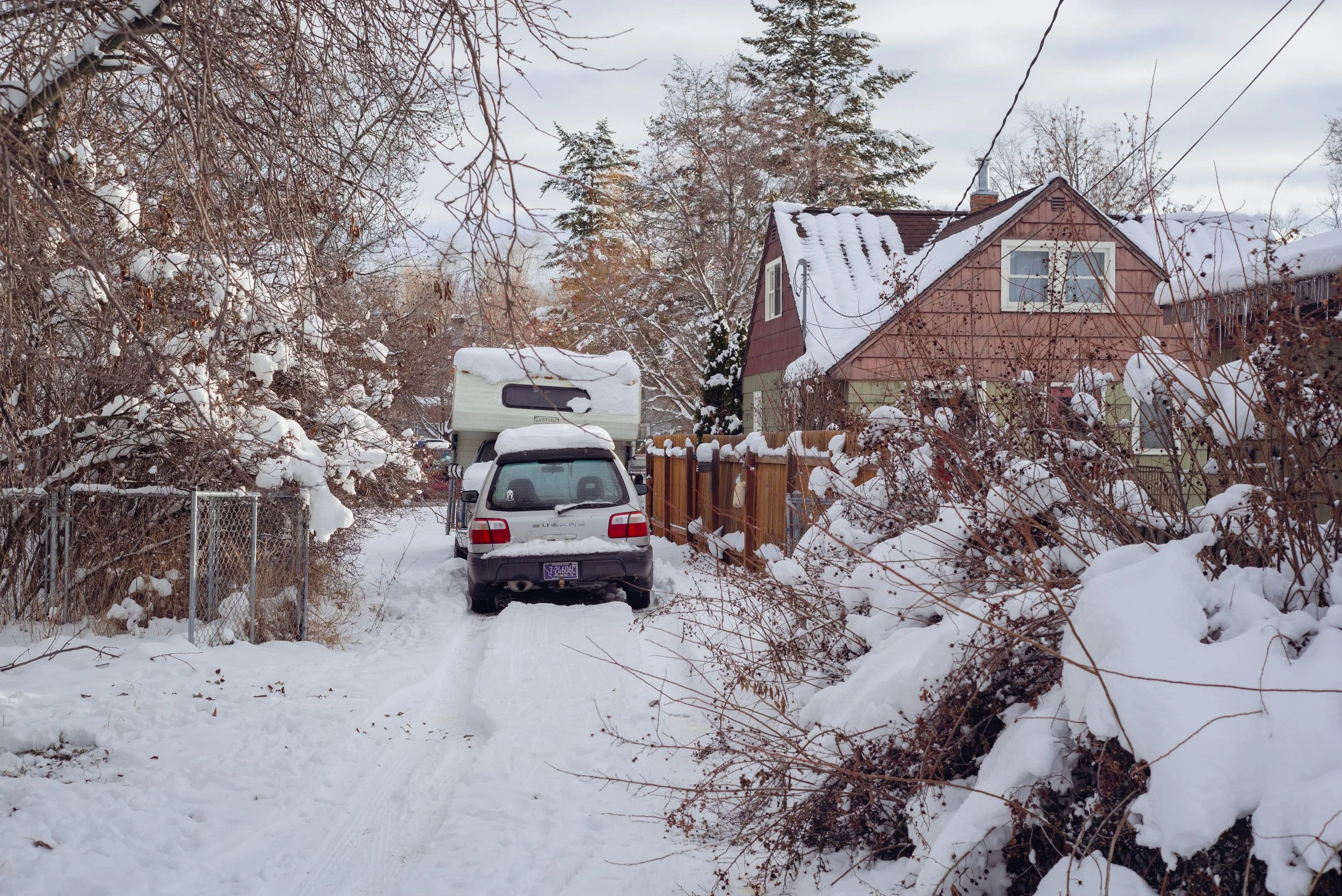
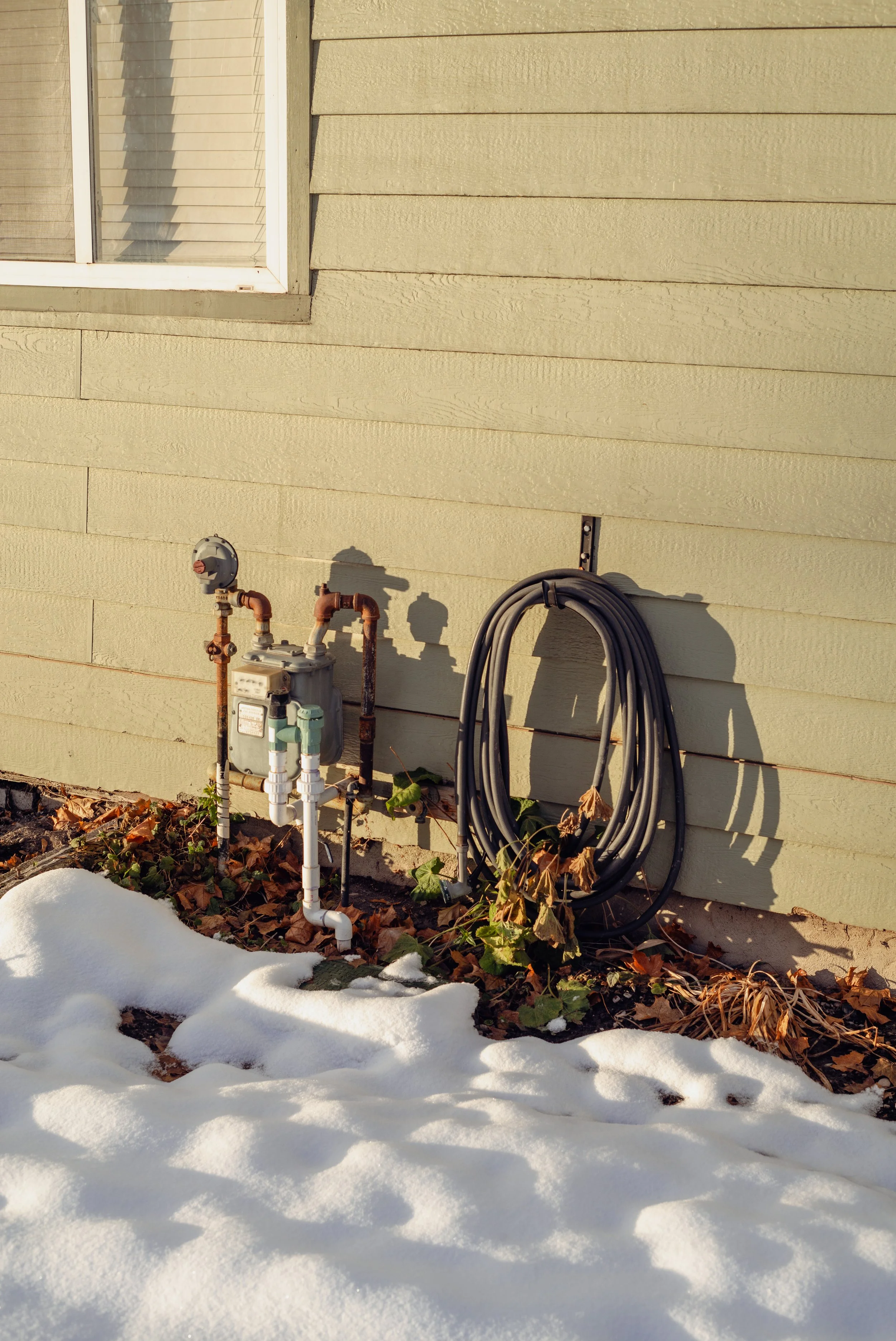
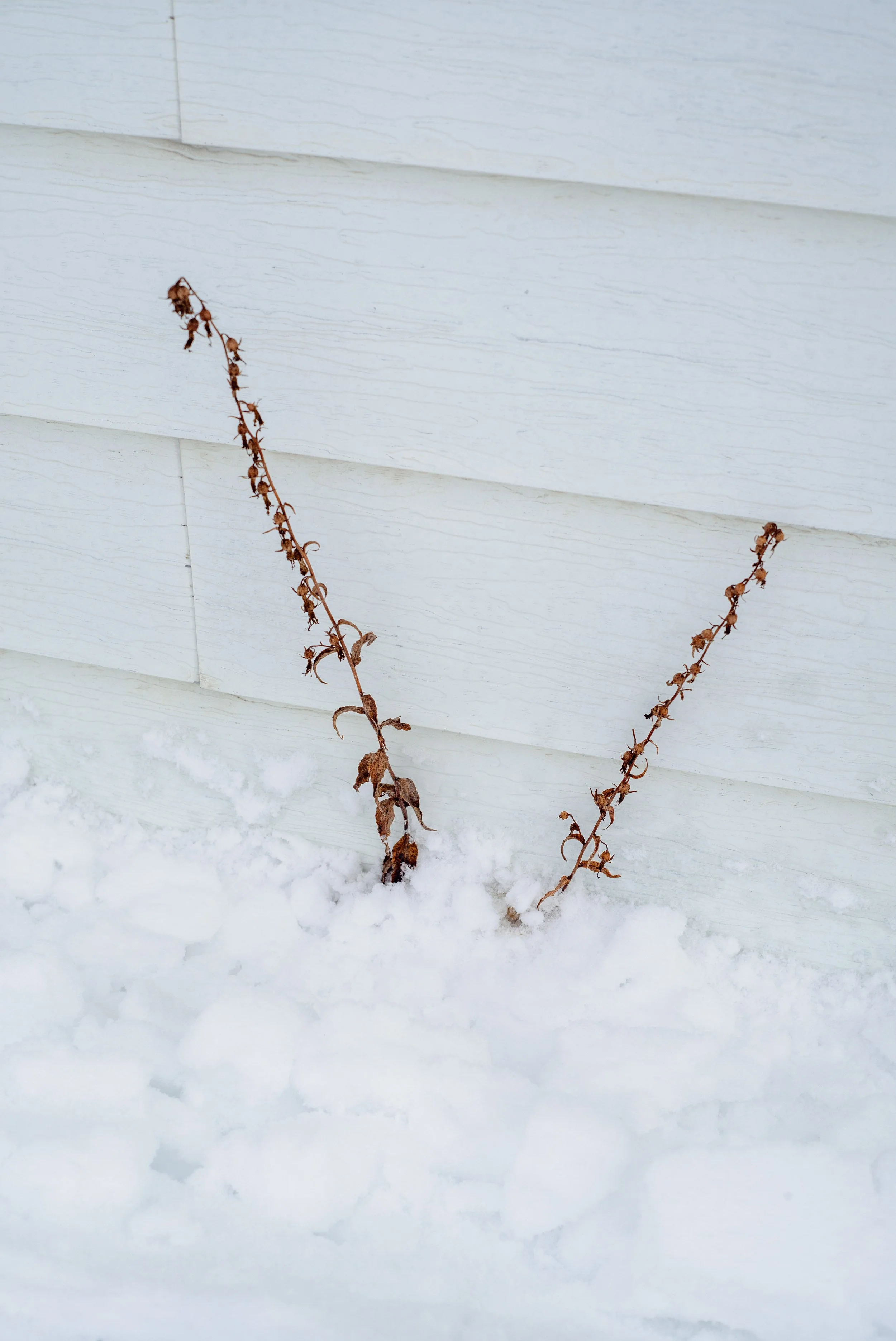
I suppose that it doesn’t matter that I don’t understand them. In having the experiences and turning them in to photographs there is something at work even if I don’t understand it.