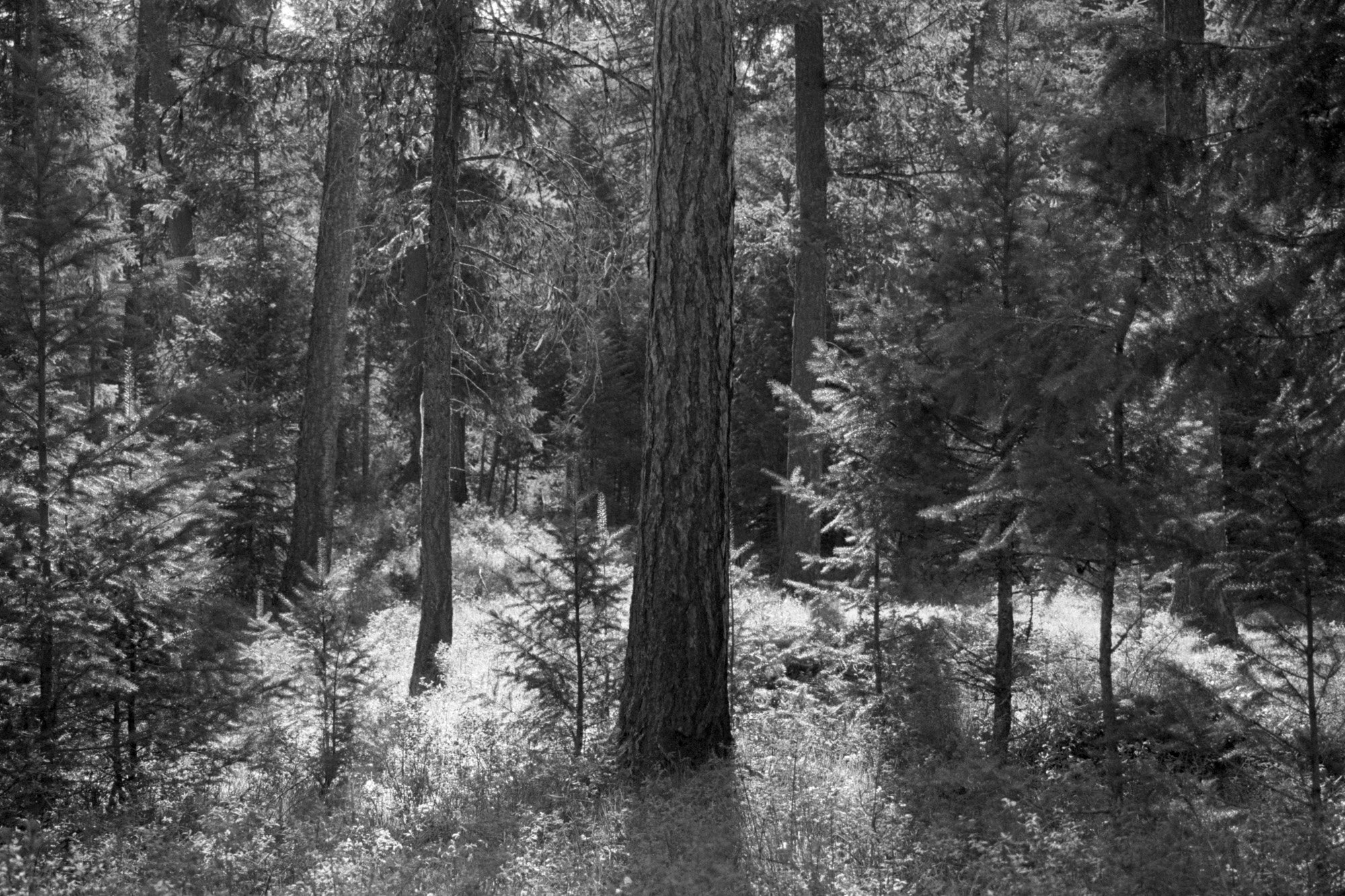
I don’t do much landscape photography anymore. It’s not that I don’t find the land beautiful, that has never left. I think I just hit a point where I had been doing the same thing with landscape photography for so many years that I just got burnt out on doing it and felt like pointing a camera at other things. But every now and then I bring a camera along with me on a walk in the woods. Tuesday morning was supposed to be the last nice day before a string of rain so the family loaded up and headed out to a local trail network to take a stroll in the forest. Jess brought the XA2 and I grabbed the old Canon EOS 650 with a 28-70 lens. Both cameras got rolls of Kentmere 400.
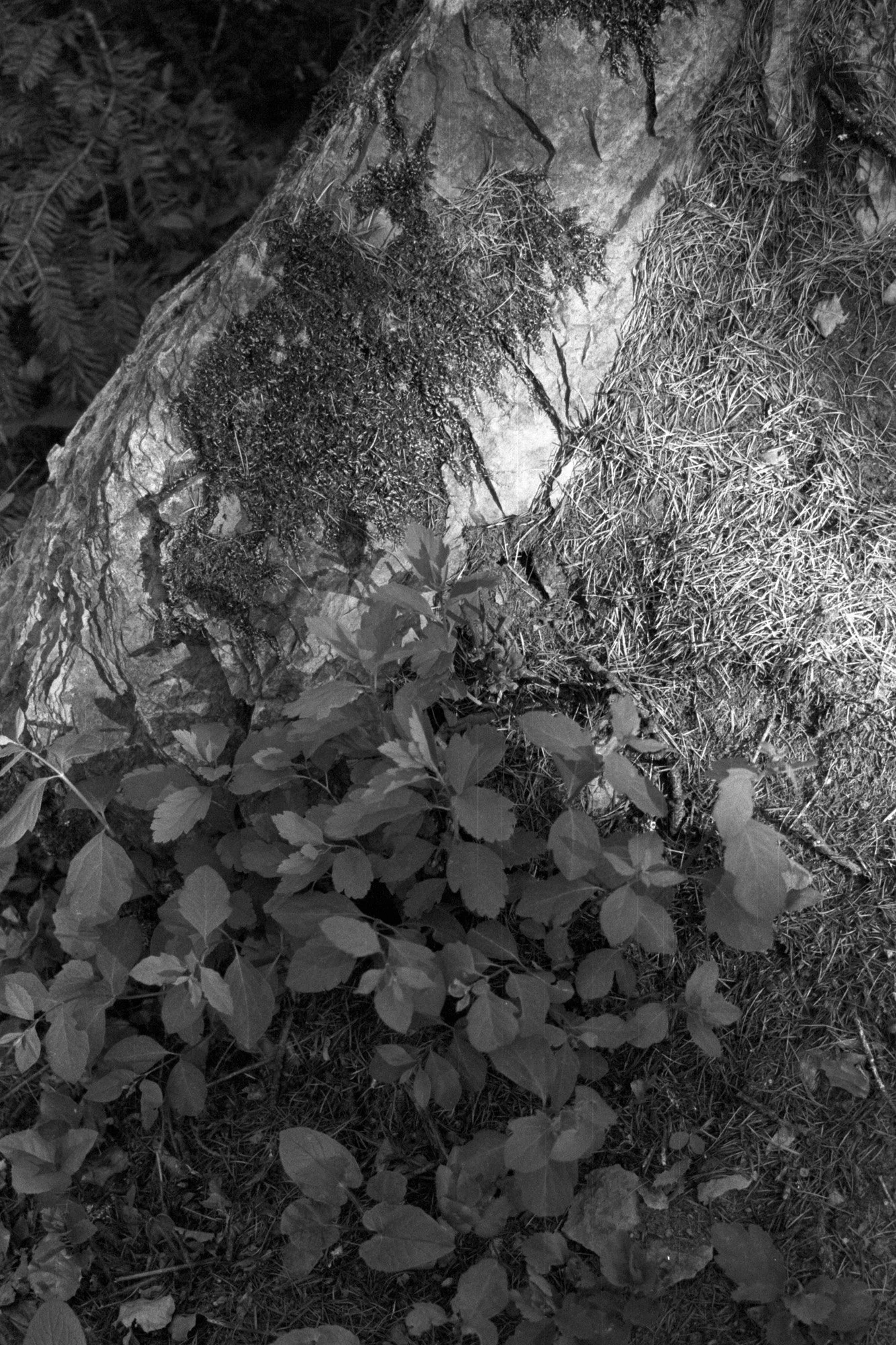
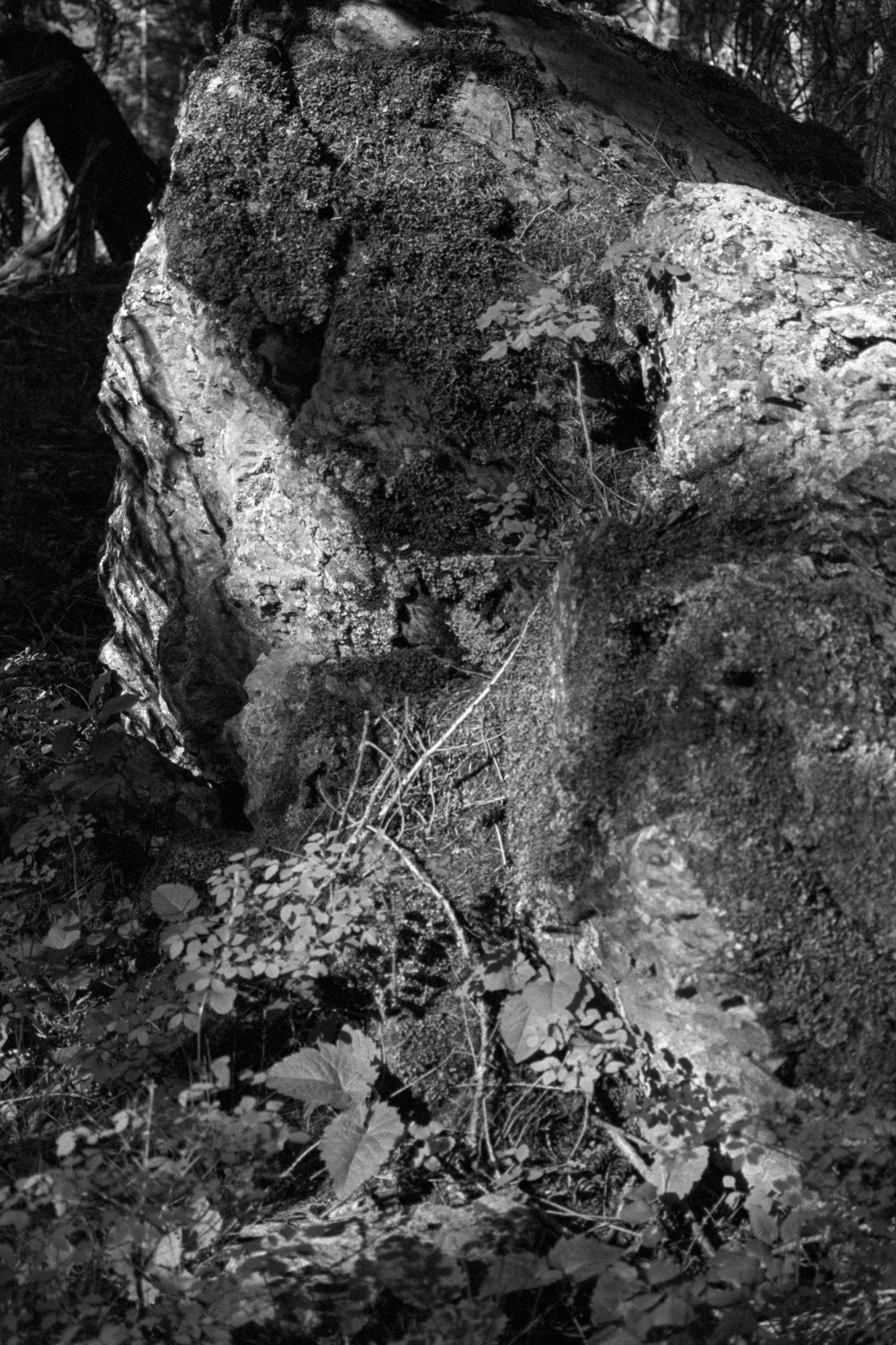
When I was shooting landscape work regularly I always felt that it had to be situated within a broader existential/philosophical framework that gave the work a sense of direction or purpose. I tend to feel the need to do this with everything I do and I have yet to decide whether it’s a blessing or a curse. I’m inclined to believe it’s the latter since it sometimes creates a kind of paralysis when I feel like I’m not able to integrate what I’m doing within some larger existential architectonic. But I digress. I’ve always understood the land and the work of landscape photography to be about directing our eye to the salvific effect of the landscape. An essay that I’ve never gotten around to writing in the last ten years or so that it’s been bouncing around in my head is a piece on the topic of a contemplative approach to the land as an avenue beyond the nihilistic aporia of modern life, on the way in which the experience of the beauty of the natural world creates both a distance from our all-too-human concerns and a possibility for the world to come to presence anew, and insodoing point to a deeper source which transcends itself.
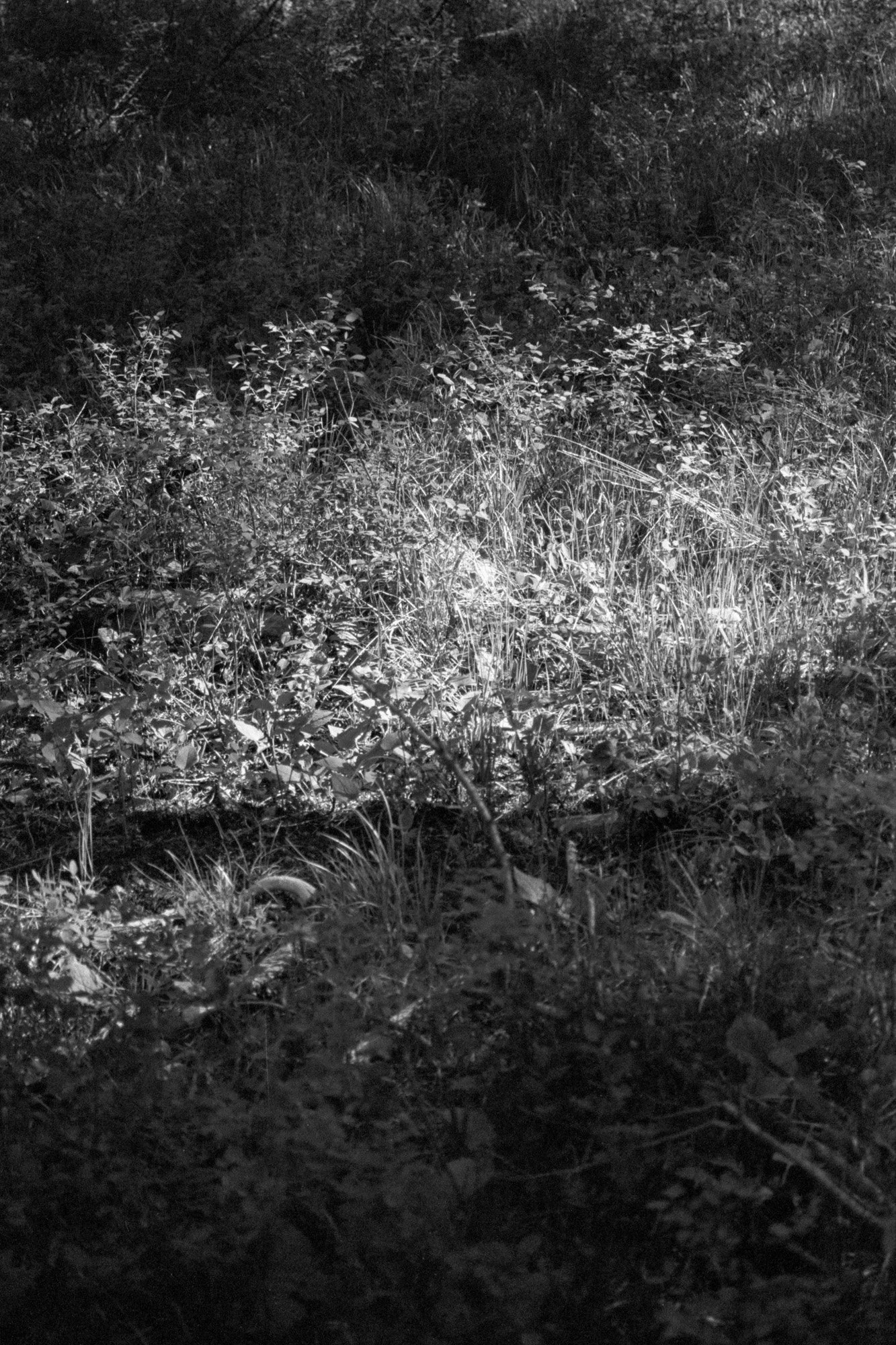
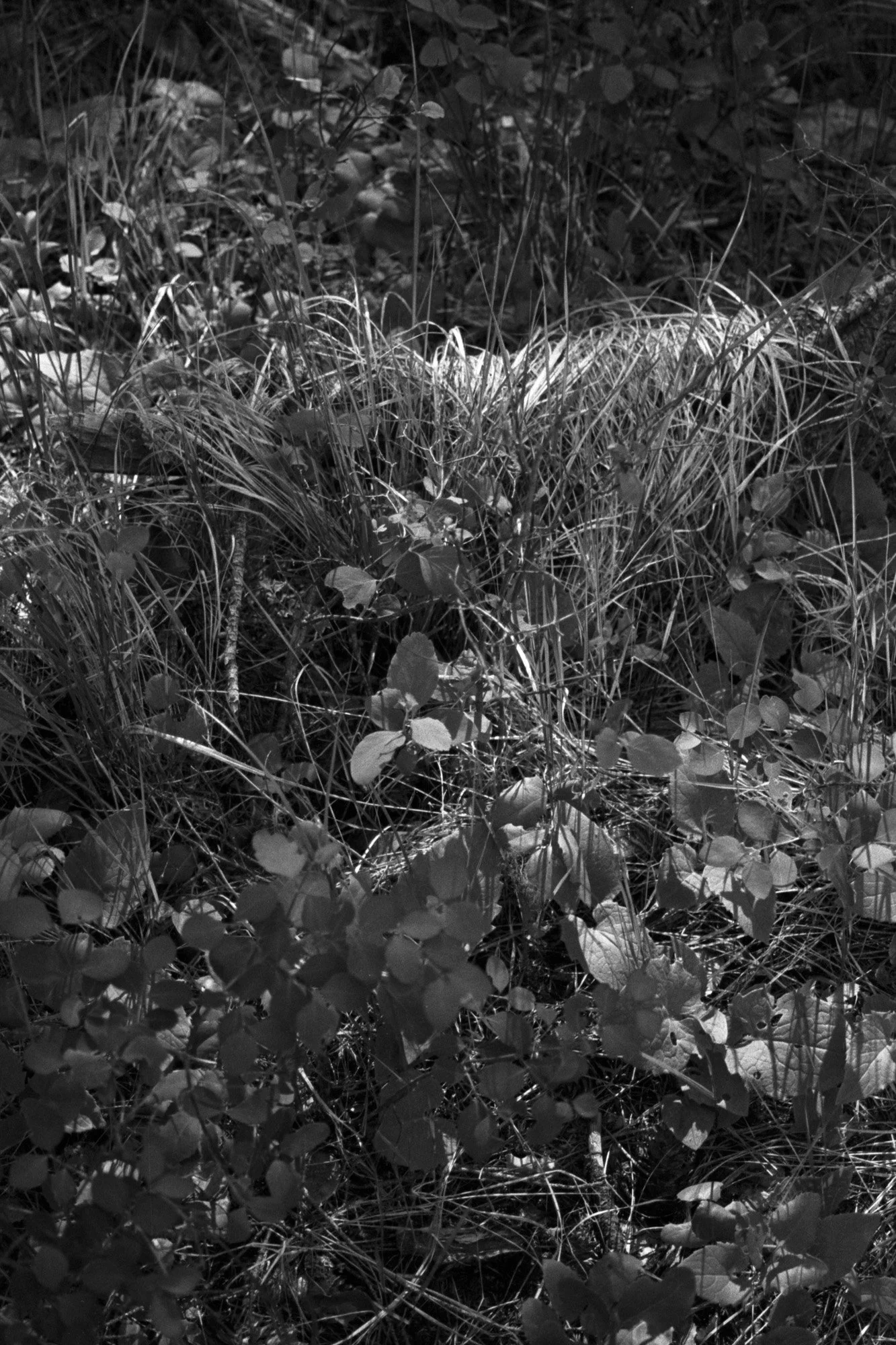
To say that the world is sacramental is to say that the constitution of the world is such that it functions as a sign of the sacred, that the world gestures to that which transcends and grounds its beauty and goodness. The dappled sun falling gently on the forest floor, illuminating a tapestry of life in a patchwork of light and dark is not just a lifeless and haphazard arrangement of physical forces but a living hymn of the sacred which informs and dwells within the world. One of the disastrous consequences of our overarching metaphysical and existential frameworks of modernity is that we are left stupefied before the sublime. We are at once confronted by the undeniable presence of the beautiful and yet unable to integrate the experience in to any broader meaningful cosmos, bereft as we are in the wasteland of shattered meta-narratives, the ideological midden heap of the post-enlightenment death of God.
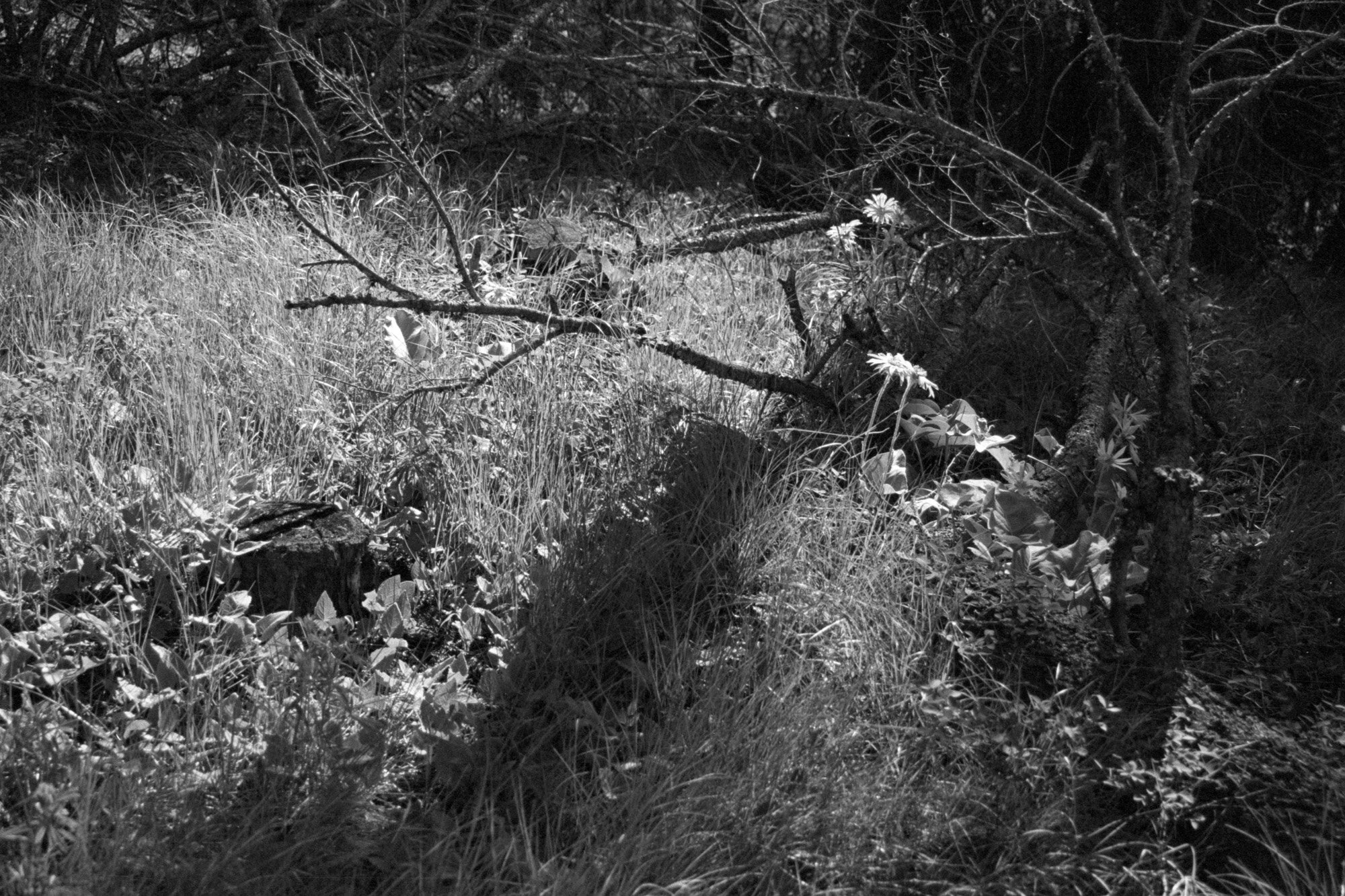
It is probably entirely too much to ask of photography to effect such a transformation in any viewer. But maybe the images can function as little signs, little beacons of light in the dark which may work to direct the gaze of the soul, to awaken that way of seeing which is our birthright but which few of us use, as the oft-quoted line from Plotinus goes.