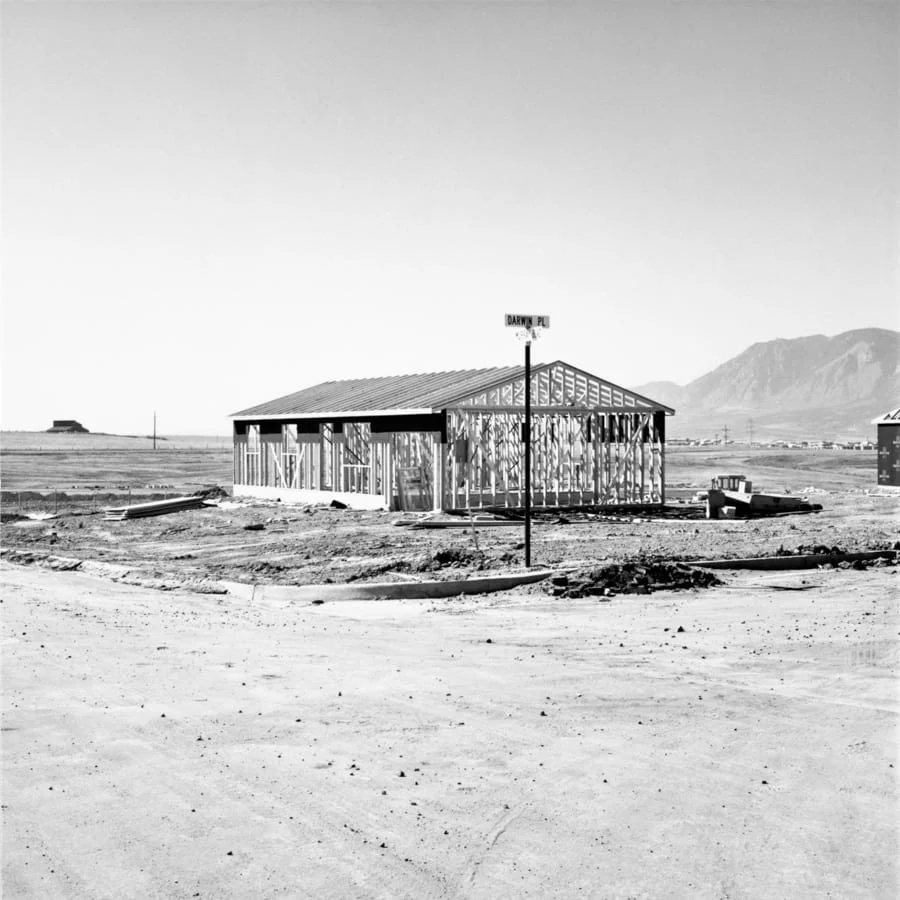
I said at the very beginning of this that I did not in any way intend to detract from Adams’ earlier work. A friend of mine pointed out in conversation the other day that the scope and depth of Adams’ influence some 50 years later only speaks to the prescience of his observations in the 1970’s. And understood in the proper context Adams’ earlier work is an important part of a larger conversation about ethical reflection on the relationship between humans beings and the natural world. But for all this hefty importance I can’t help but find a much deeper resonance with the work that would only come to full fruition some 20-30 years later. Someone could make the argument that I’m simply jaded, and not giving the earlier work its due reverence. You know, the way someone who lives in a world already influenced by Led Zeppelin might struggle to understand how impactful the band was. Maybe, and maybe Stairway to Heaven just kinda sucks. In My Time of Dying is a better song, but now we’re on a tangent.
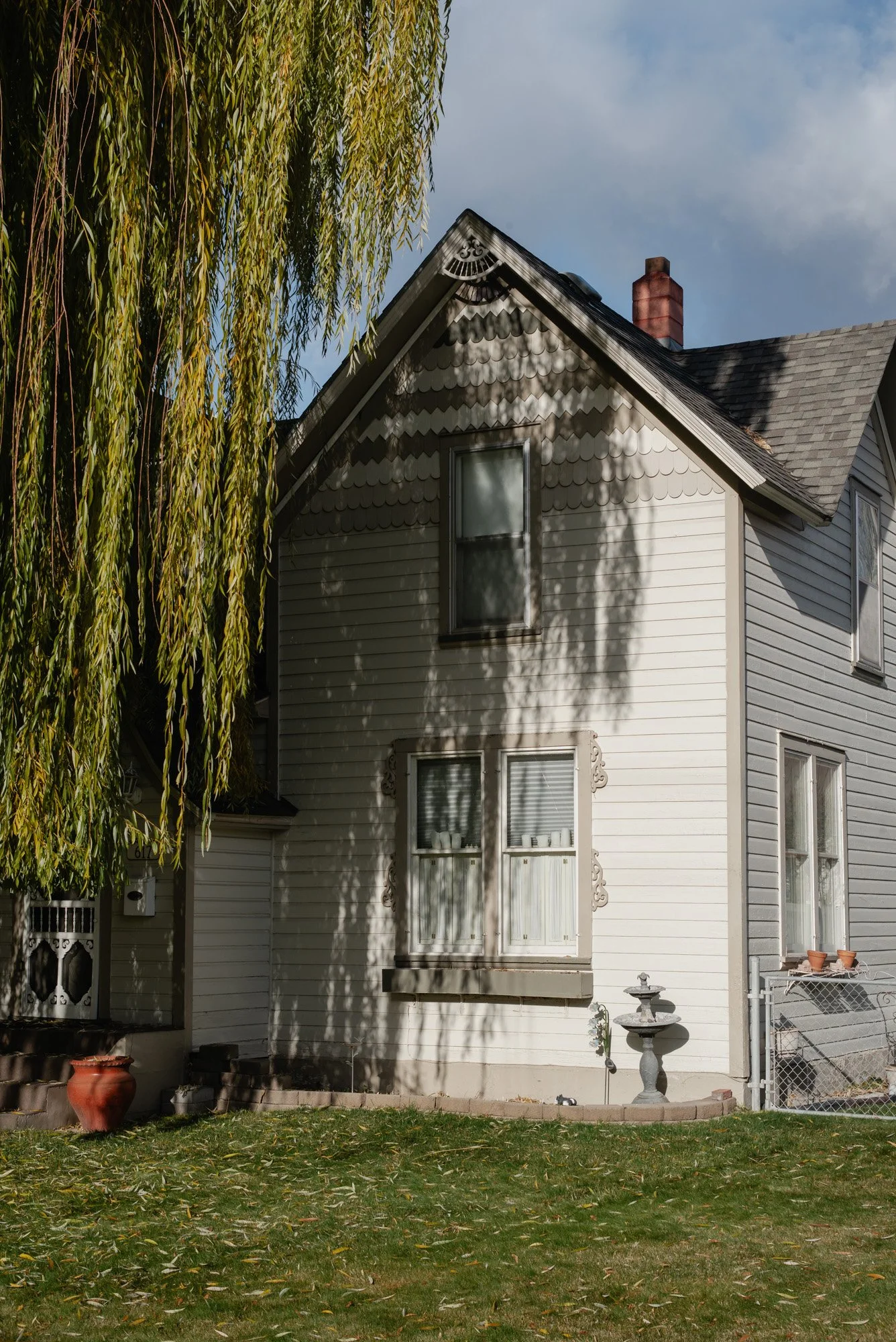
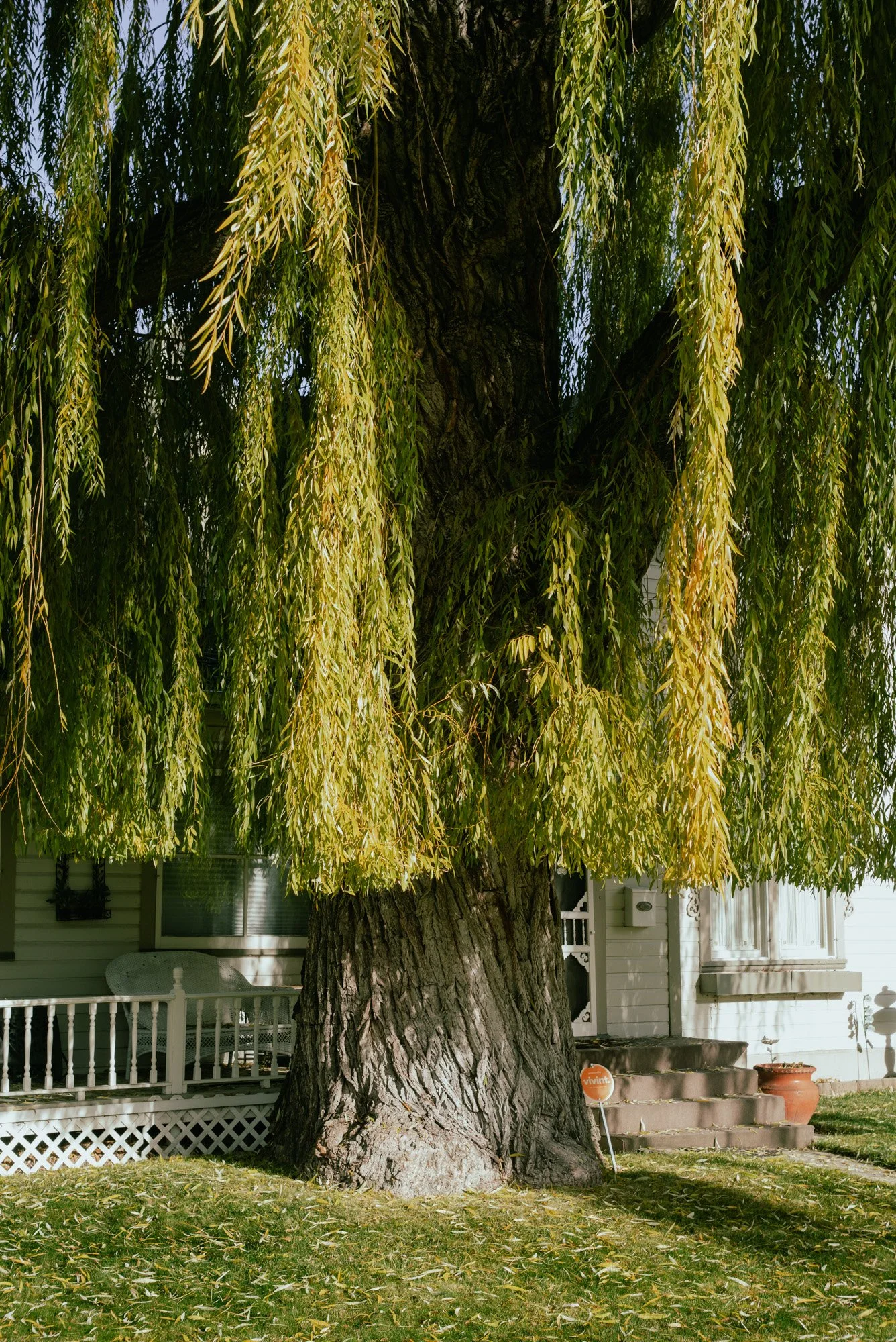
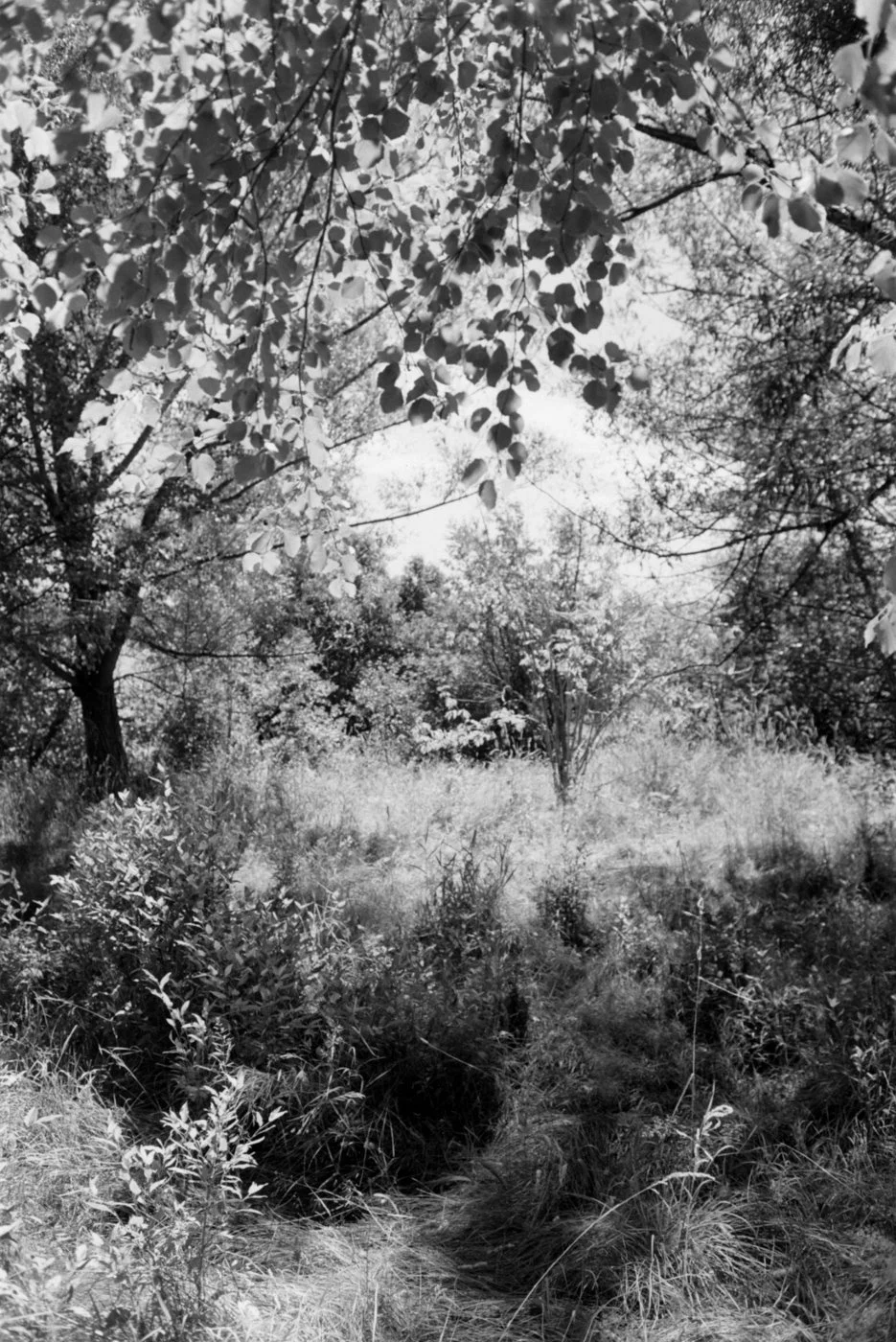
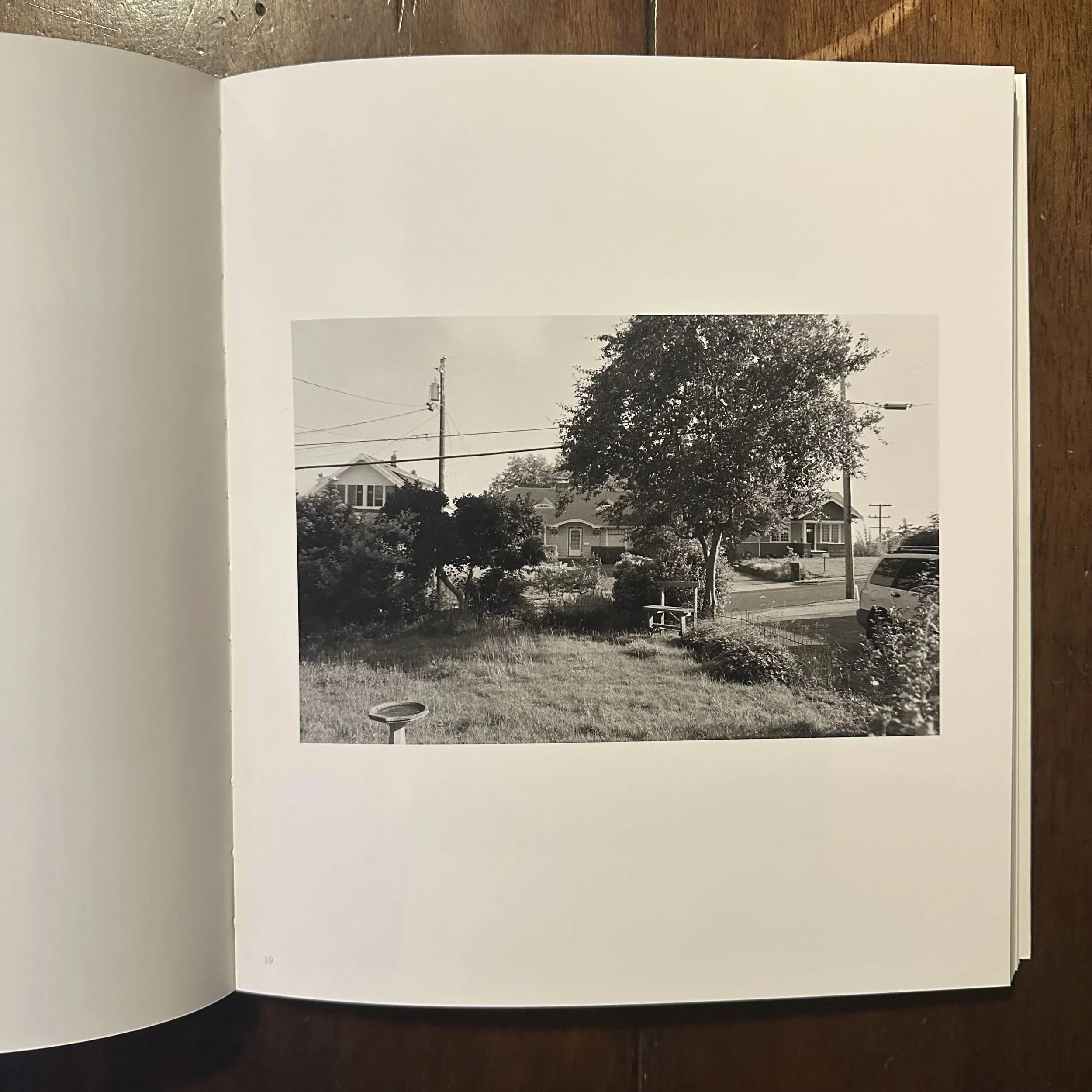
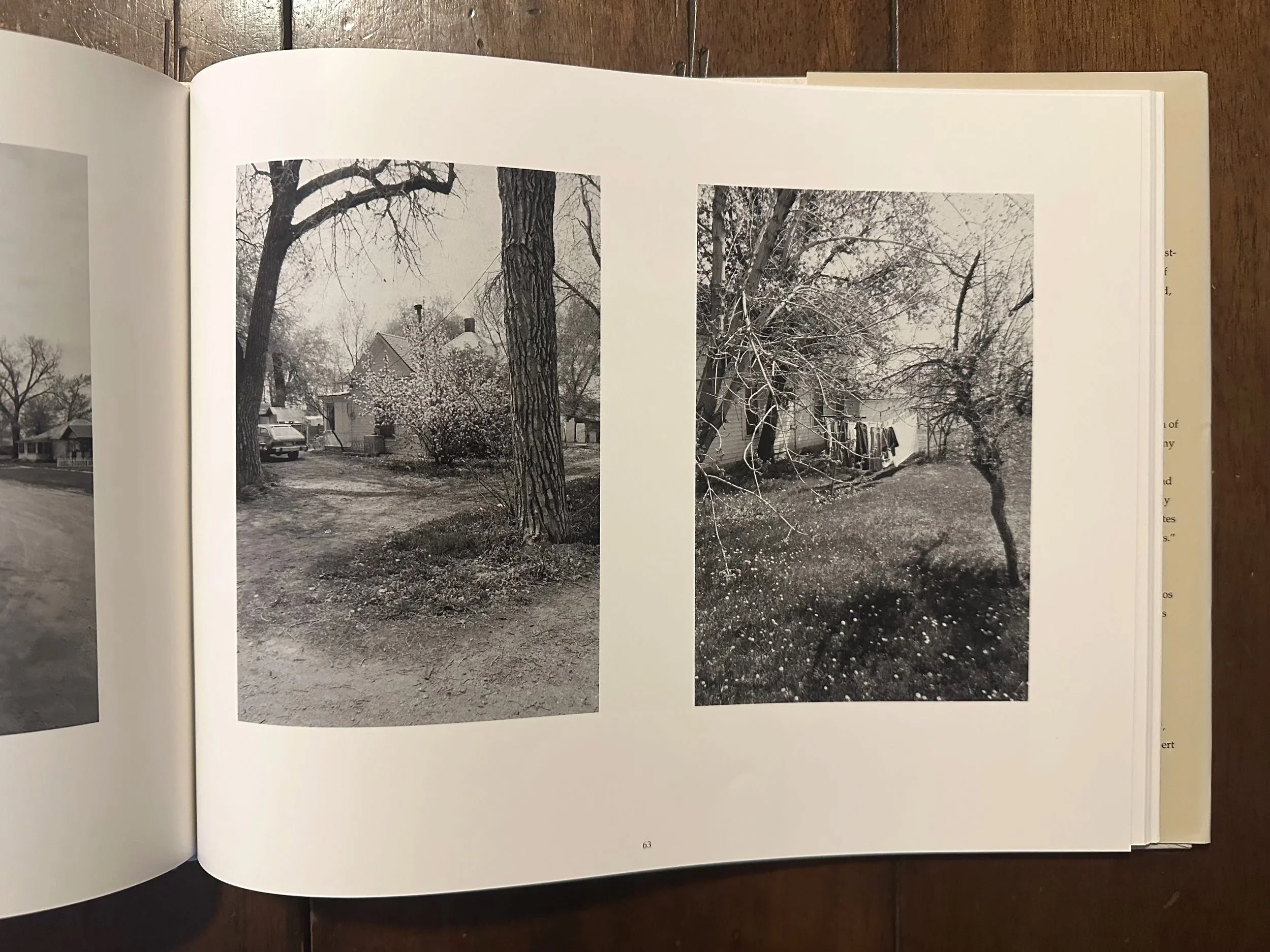
To get back on track, the quiet hope in the late Robert Adams is the experience of grace. It is the direction of our gaze toward the beautiful. In an age of nihilism and disenchantment, and amidst the pains and turmoils of our worldly existence, it is the subtle reminder of that quietly shimmering beauty which is the foundation of the world and which remains an inexhaustible, eternal possibility. In the words of the American writer Wendell Berry, is it that vision by which we “…see that the life of this place is always emerging beyond expectation or prediction or typicality, that it is unique, given to the world minute by minute, only once, never to be repeated. And this is when I see that this life is a miracle, absolutely worth having, absolutely worth saving. We are alive within mystery, by miracle.”
This is the beautiful, subterranean current of Robert Adams that I have come to enjoy so much and which I wanted to share with you.