On making stuff when nobody is going to see it
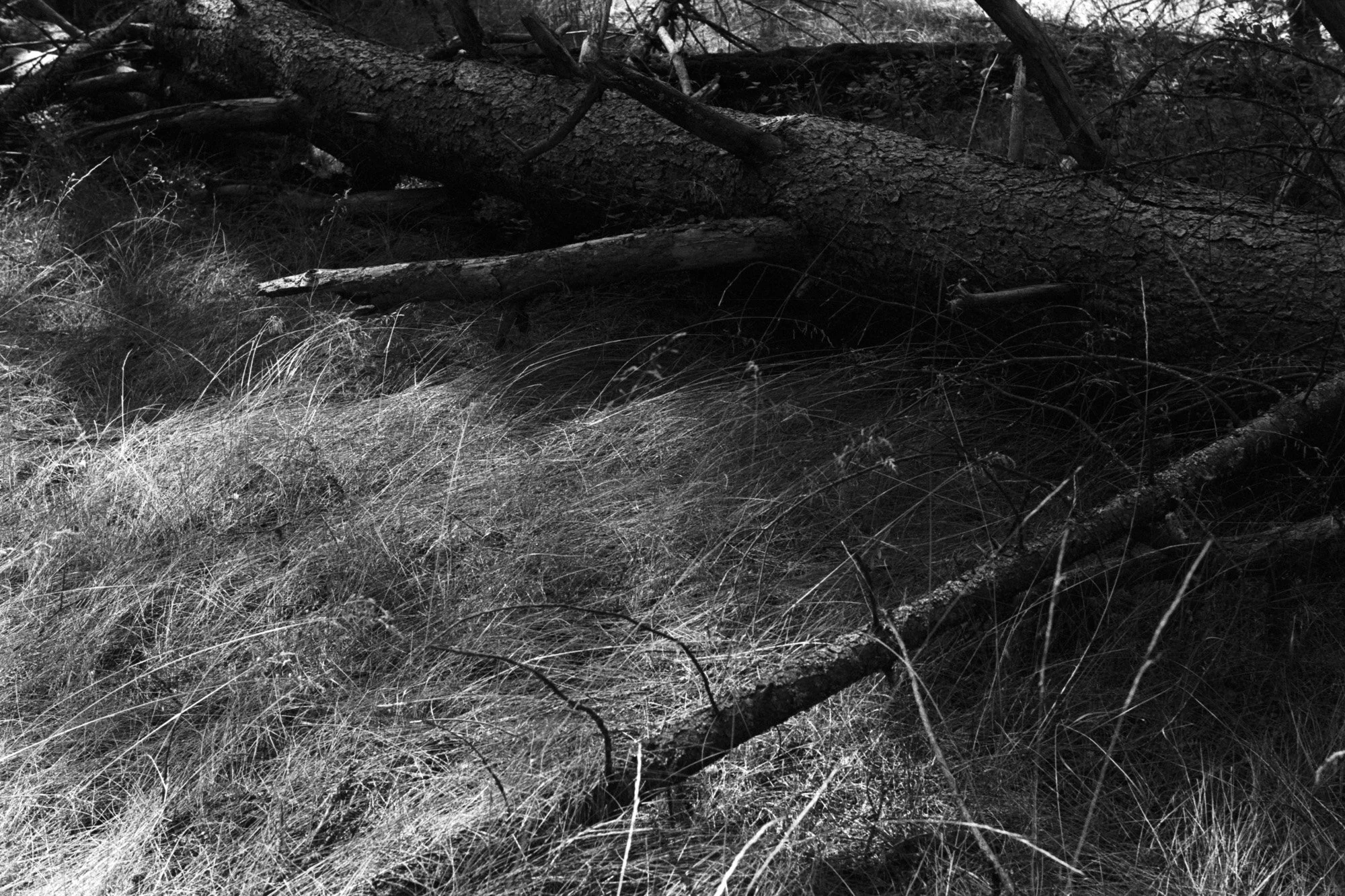
Leica M4-2 + Leica 50/2.8 + Kentmere 400
I was having a conversation with a friend of mine a few weeks back and the question came up of whether or not I felt frustrated or unfulfilled about making photographs without an audience. I answered that, yes, I do find it frustrating, but that the frustration was not from the sense that a lack of an audience makes the work feel pointless, just that not being able to share something meaningful to me with a broader group of people who might also derive meaning from it can be frustrating. I think this is something I’ve heard a lot of people ask themselves, and I know that I’ve asked myself a variation of this question quite a few times. It often goes something like, “If I never shared a single image that I made, would I still make photographs?” I think when we ask ourselves this it’s a way of trying to understand our motivations for doing what we do, and maybe a kind of check to make sure that we’re pursuing the practice for the right reasons. If we’re only making things to please an audience, to find external validation, how meaningful can the work ever be? We’re engaged in little more than transactional titillation.
I have a habit of fantasizing about alternate lives. One of the recurring fantasies of mine is living in small secluded cabin, set somewhere deep in some quiet tract of wilderness. And in this quiet life my time is dedicated to philosophical and spiritual contemplation, to writing, and to making photographs. In this fantasy I don’t make work for anyone else, but rather as a quiet and individual act of bearing witness to creation, a kind of hermitic devotion. It is also part of the fantasy that if my work were ever to see the light of day it would be long after I was dead, when interest or acclaim could no longer fall to me and the work could fall or stand for what it was, a simple record of one person’s thoughts and sights. With any luck some people might find in the work the same beauty and reverence which had motivated its creation. To me, that would be a good life filled with good work. And if the work never saw the light of day, I think there would still have been meaning and beauty in its creation, even in the context of that one singular life. I think that when we are engaged in the craft of photography it has a value that transcends the transactional exchange between an artist and an audience.
The philosopher Martin Heidegger has a line from his 1953 work Introduction to Metaphysics which goes, “…even if we can't do anything with [philosophy], may not philosophy in the end do something with us, provided that we engage ourselves with it?” For Heidegger, the value of philosophy is not an instrumental, technological kind of value, the way a hydroelectric plant has an instrumental or technological value in rendering the power of the river amenable to the extractive processes of human industry. Rather, the value of philosophy lies in the transformative impact that it can have on human beings, “provided we engage ourselves with it.” Engaging with philosophy can change us, can change the way we dwell in the world.
It is this kind of value which, in my belief, photography can also bring to our lives and which transcends the more shallow transactional value between an audience and the artist. It’s this kind of value that I think makes the practice of making photographs important even if your work never sees the light of day. Photography is unique as an artistic medium because the subject matter is always, in a way, “borrowed” from the concrete world of our lived experience. The painter has a liberty to change and manipulate the worlds present in their creations in a way that is more difficult with the medium of photographs. It’s not impossible, given current editing technology, but photography’s persistent tether to the “real” and “objective” world makes it more difficult to get away with. Because of this, at least to me, photography is very much a practice of seeing, a practice of paying attention to the world around us, a practice of attentiveness and watchfulness for what the world has to show us. And if we engage in this practice consistently I have found that it deepens our presence in the world in a way that doesn’t seem to happen in the absence of a consistent photographic practice.
I remember a conversation with a friend about photography and getting back in to photography after Diesel died and describing the way that engaging with photography again was a way of attuning myself to beauty. The practice of walking with a camera and being receptive to the beauty of things was a kind of salvific practice and opened a path to a way of existing in the world that would have been harder to sustain in the absence of photography. I know that I ramble endlessly about beauty and the meaning of the beautiful, so I don’t want to imply that this avenue is the only important one opened up through photography, even if it’s my personal favorite. My Platonism goes hard. I think that any sustained engagement with the craft has the potential to deepen our engagement and attention to the world in any number of paths, all of which are important. The important part is that through the practice we become more present in the world.
So, should you still make photographs if you don’t share them? Of course. It just might change you in some profound and meaningful ways. Of course being able to share work is wonderful. We are social creatures, we have an inherent desire to connect, and art is a beautiful medium of connection. I don’t mean to imply that there isn’t value in those connections, and we should absolutely work on building those bridges. But, even if you never share your work with the world, for any number of reasons, I don’t think we should lose sight of the deep value that making photographs can bring to us.
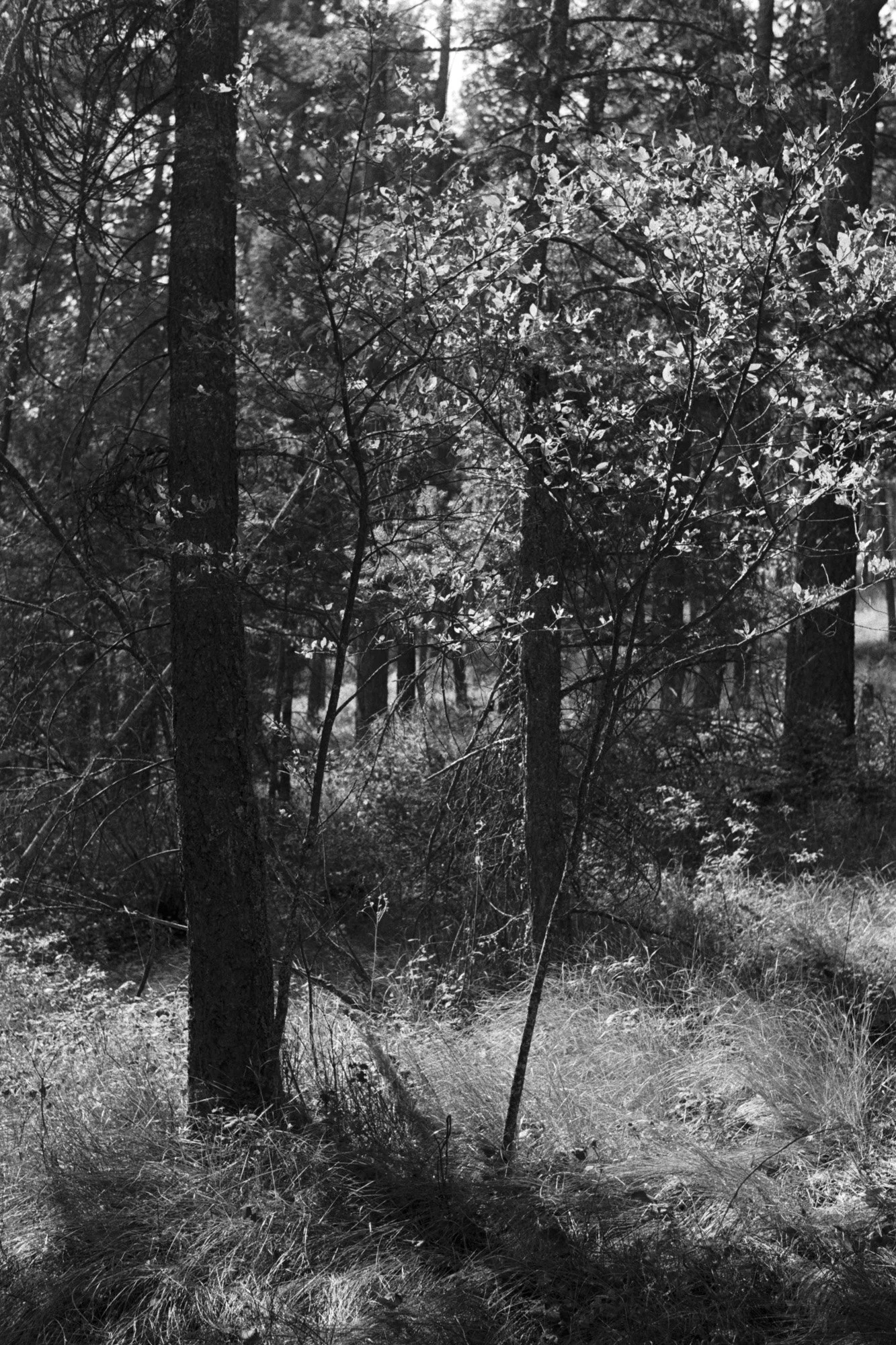
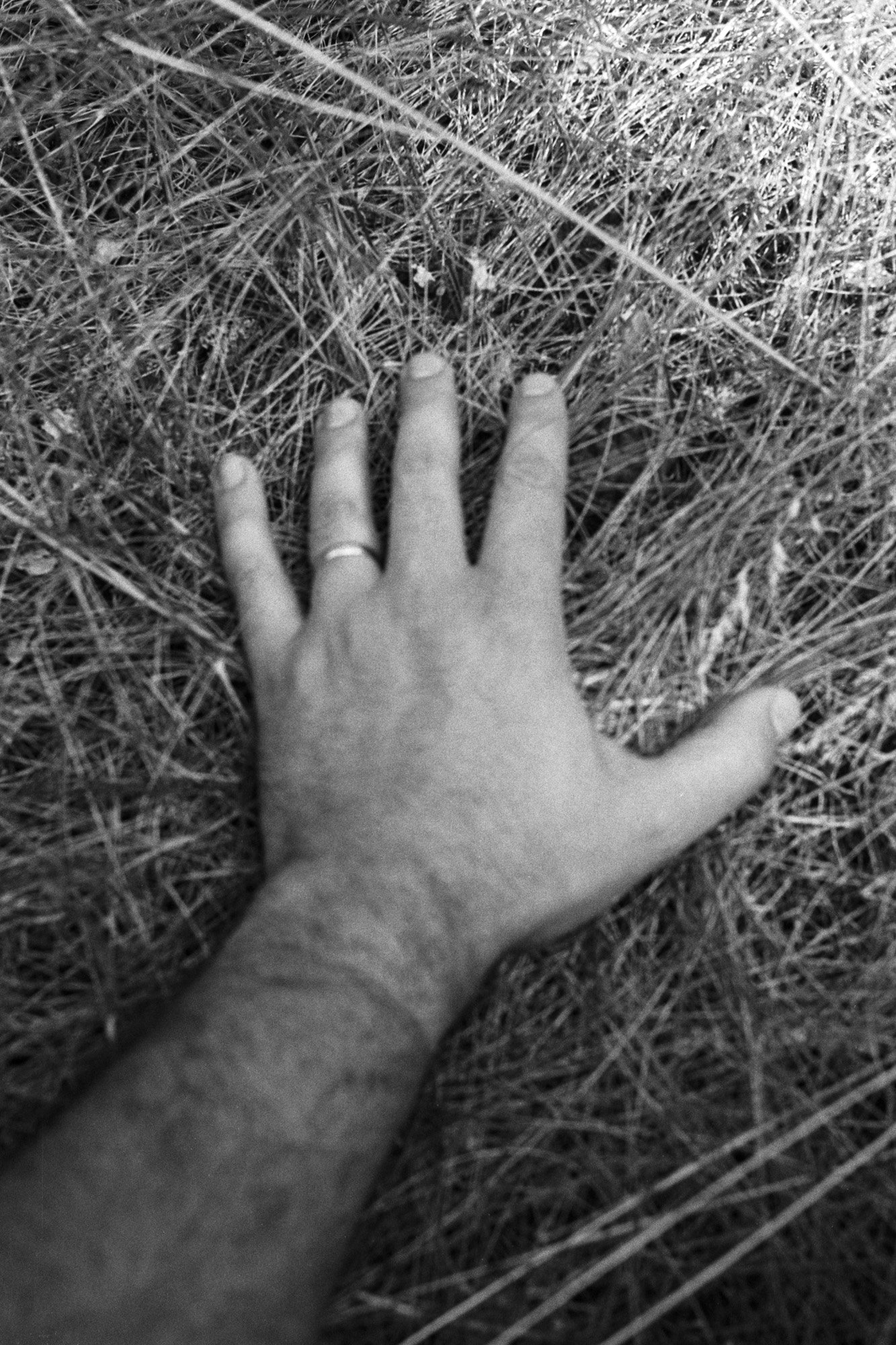
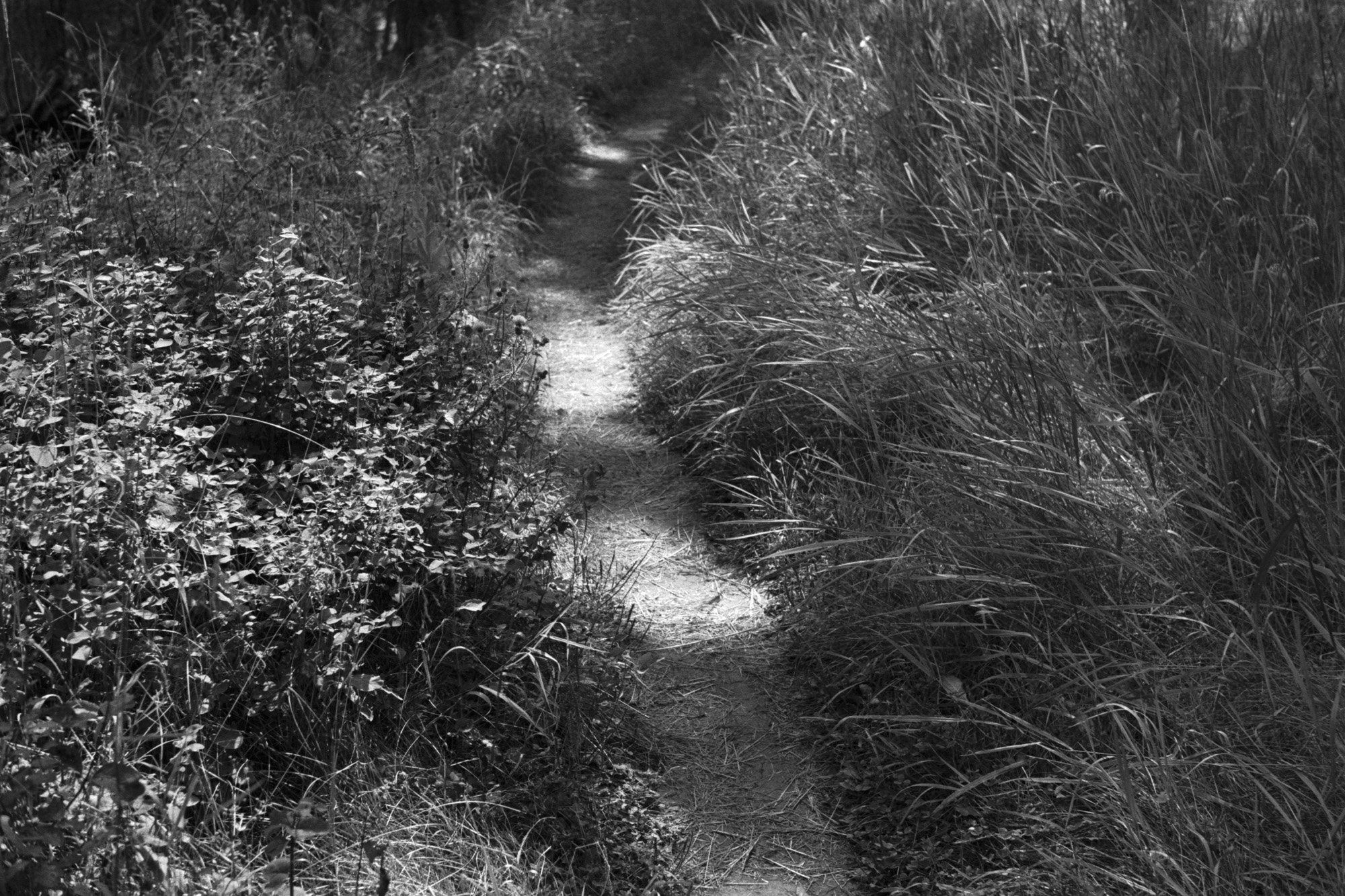
Note on the photographs for the curious: All the images in this blog came from a late August walk in a local park here in Kalispell. They were shot with my old Leica M4-2 and the lovely Leica 50/2.8 Elmar on some Kentmere 400. Probably developed in Ilfotec HC 1+31 but I don’t remember. I don’t think it was Rodinal it looks too clean and contrasty.